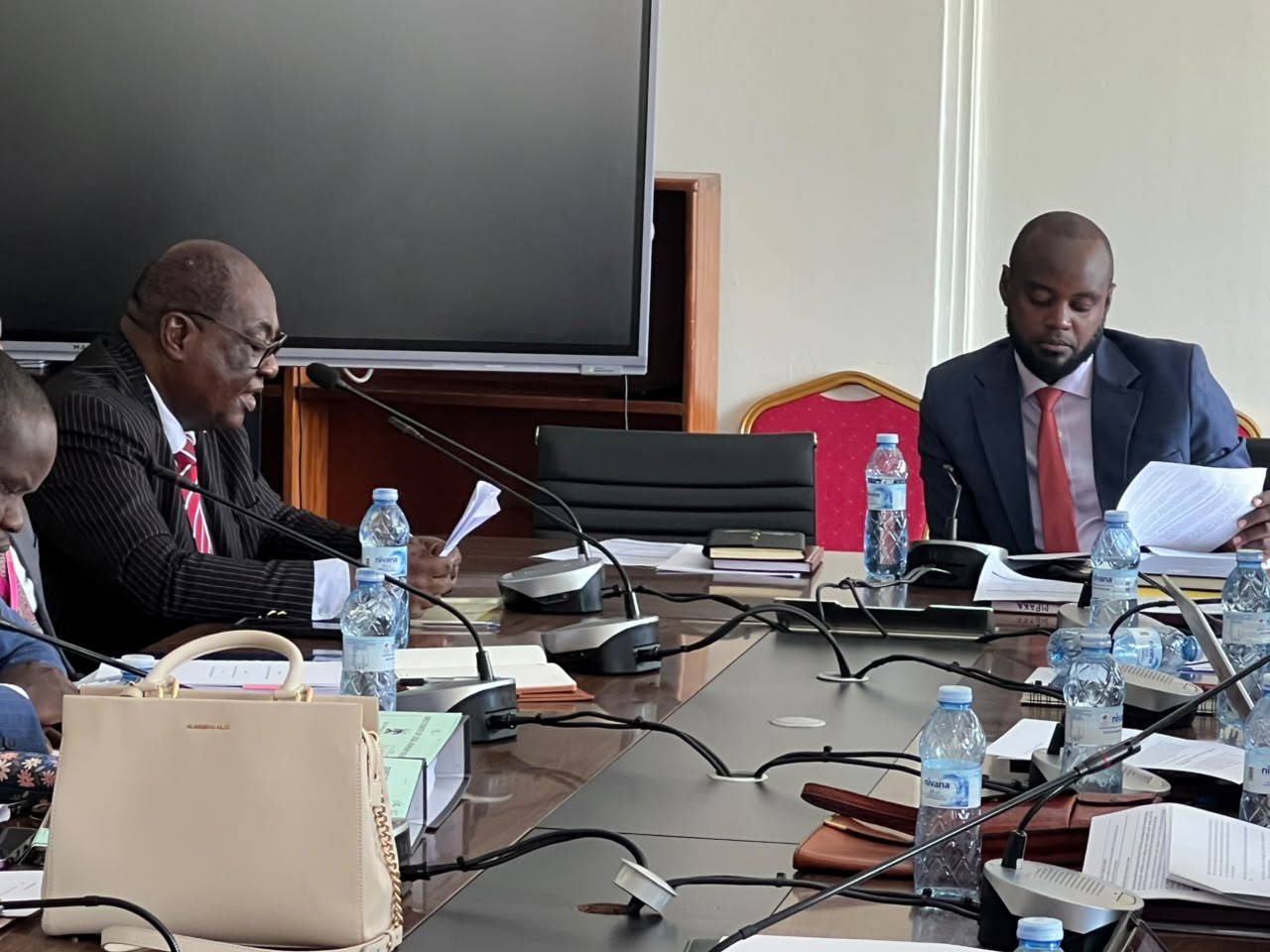
Attorney General Dr Sam Mayanja has told Parliament that the agreement between Uganda and Joint Stock Company Global Security (JSCGS), the Russian company contracted to implement the digital number plate system, is legally invalid and is inconsistent with Uganda’s laws.
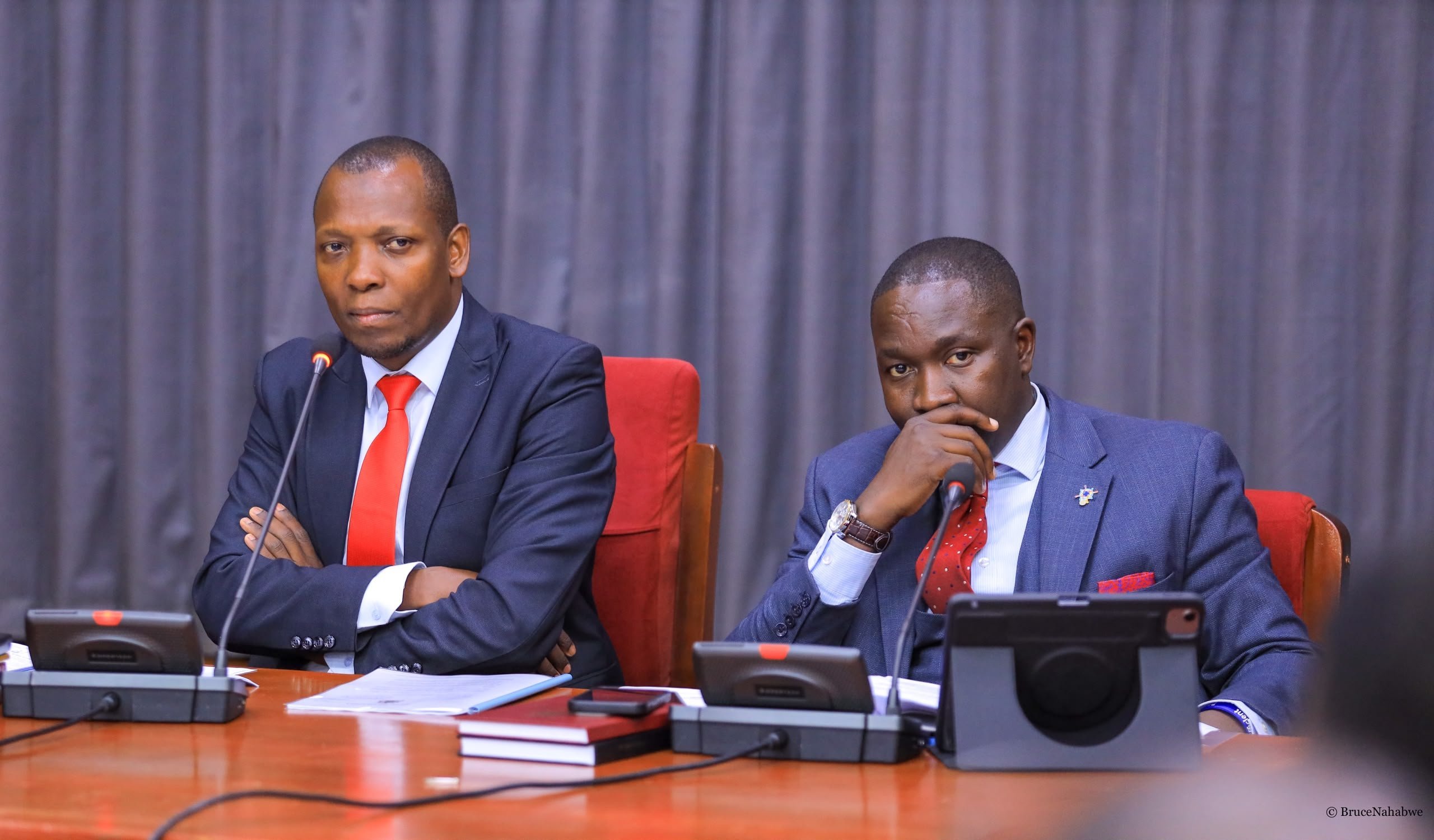
Mayanja made the remarks on Tuesday while appearing before Parliament’s Committee on Physical Infrastructure, which is investigating the implementation, cost and delays surrounding the digital number plate project.
The committee, chaired by Mbarara City South MP Mwine Mpaka, summoned Mayanja to explain the legal advice his office gave government before entering into the agreement with JSCGS.
The MPs questioned how government could commit itself to a multi-billion-shilling project without first carrying out a feasibility study to establish whether the project was financially and technically viable.
“How did your office advise the government to undertake this multi-billion bill without undertaking a feasibility study first?” Mpaka asked.
Mayanja acknowledged that there were mistakes in the agreement, which he attributed partly to the haste with which the contract was handled.
He told the MPs that government contracts must comply with Uganda’s Constitution and other laws governing public affairs, and that provisions that conflict with the law cannot stand.
“The terms of the contract must be in line with the supreme law that governs the land and in case that does not happen, then there is a breach,” Mayanja told the committee.
A major concern raised by the MPs was the financial arrangement under which JSCGS was expected to recover the money invested in the project.
Under the agreement, JSCGS was expected to receive 80 per cent of revenue from traffic fines, while 15 per cent would go to the Consolidated Fund and five per cent to National Enterprise Corporation (NEC).
The arrangement has attracted criticism from MPs because it gives the private company the largest share of revenue generated from traffic penalties.
Mpaka and other committee members wanted Mayanja to explain whether his office had advised government on the legality of the revenue-sharing arrangement.
“When this came to your knowledge, how did you advise?” Mpaka asked.
Mayanja said the financial assumptions behind the revenue-sharing formula were primarily the responsibility of the Ministry of Finance, Planning and Economic Development and the project management team.
“In terms of the economics around the ratio, the Ministry of Finance, Planning and Economic Development and the project management team are best placed to provide the assumptions that formed the ratio,” Mayanja said.
He, however, went further to question the validity of the entire agreement, saying the contract government signed was not operating in the manner contemplated by the original financing and technical model.
Mayanja said the agreement appeared to assume the existence of a complete system with clear financing arrangements, technical systems, regular audits and participation of the Attorney General’s representative.
“The president presupposed a valid contract which has a financing model, which has a technical model, which is audited every three months, where there is a representative of the Attorney General, which has all the systems, so that everything sits on one platform,” he said.
“That’s not what we have. We have something else. I have no name for it,” he added.
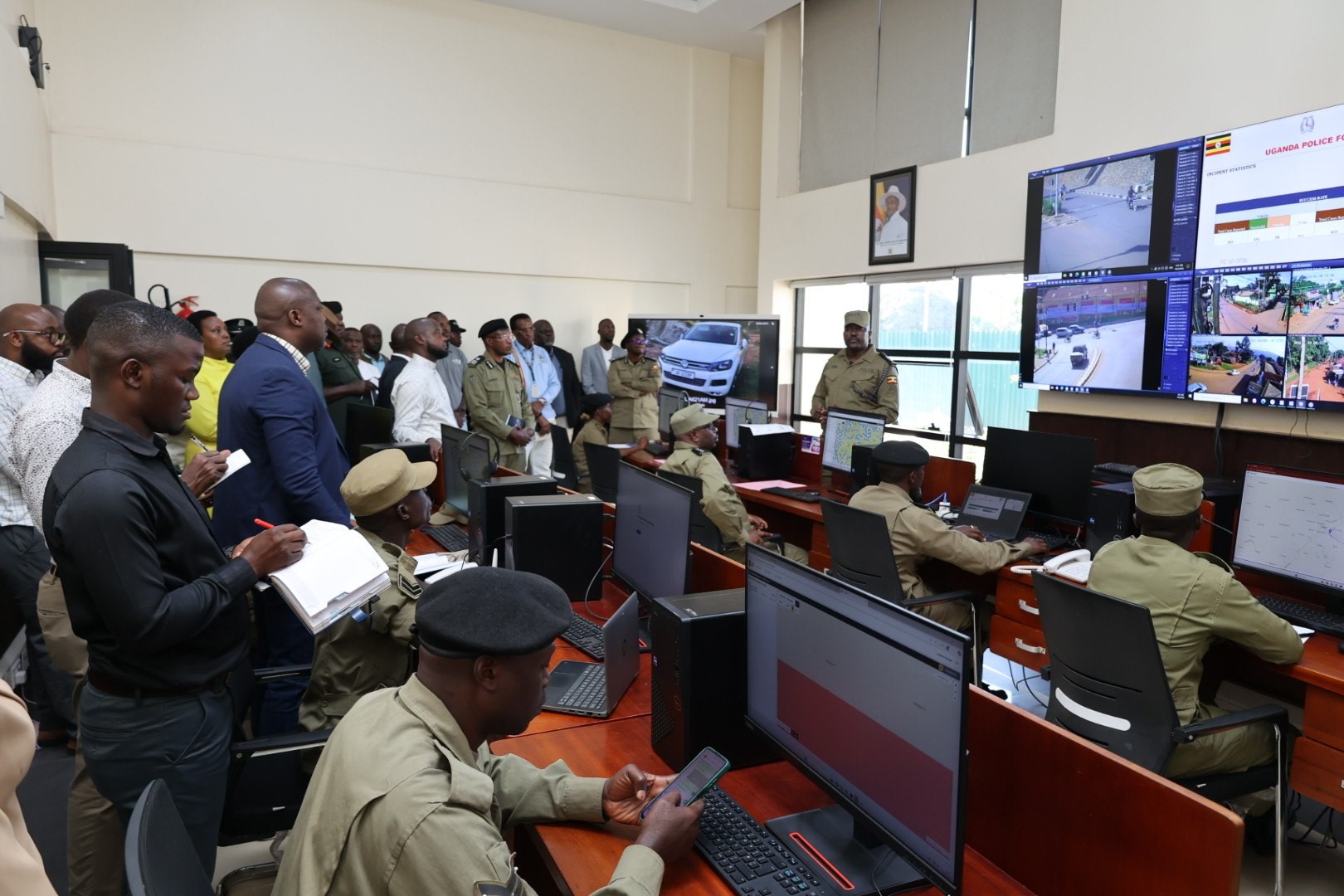
The government signed a 10-year agreement with JSCGS in 2021 to implement the Intelligent Transport Monitoring System, which includes digital number plates and vehicle tracking.
Parliament has been examining the project following complaints over delays in issuing the plates, their cost, the contractor’s monopoly and the financial model.
The committee has also questioned how the project was structured and whether the interests of government and taxpayers were adequately protected.
Earlier parliamentary investigations showed that the financial model projected revenues of about $996 million over 10 years.
About $510 million was expected to come from traffic fines, while approximately $486 million was expected from number plates and other services.
Under the reported revenue-sharing arrangement, JSCGS would take 80% of the traffic fine revenue, with government receiving 15% and NEC five per cent.
The committee has previously heard concerns from manufacturers and motorists about the implementation of the digital number plate system.