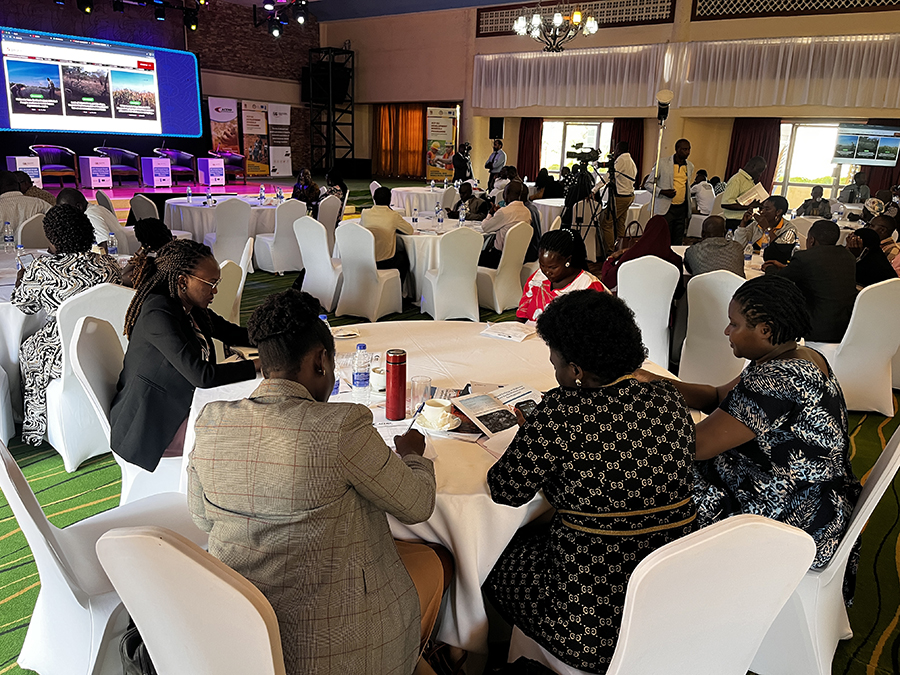
The executive director of the Africa Centre for Energy and Mineral Policy (ACEMP), Don Bwesigye Biyina, has called for stronger collaboration between governments, mining companies and local communities to ensure people living in mineral-rich areas benefit from mining projects.
Bwesigye made the remarks today while opening the Sixth Great Lakes Mining and Energy Transition Mkutano at Golf Course Hotel in Kampala.
The conference, organised by ACEMP in partnership with Enabel, the Uganda Association of Artisanal and Small-scale Miners (UGAASM) and the United Nations Development Programme (UNDP), is being held under the theme, Applying Business and Human Rights Practices to Improve Community Benefits from Mining Projects.
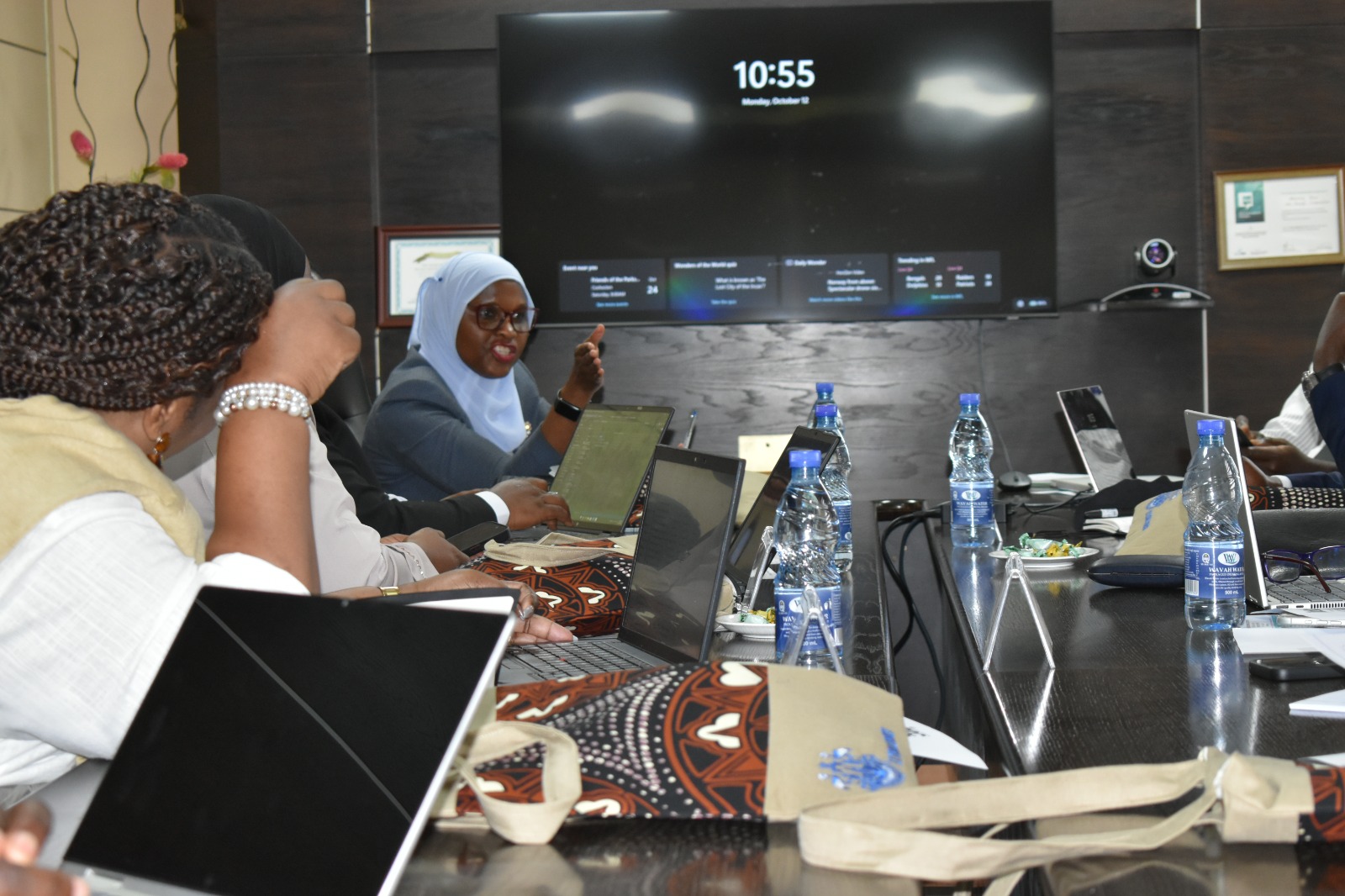
It has brought together about 120 participants from across the Great Lakes Region, including government officials, artisanal and small-scale miners, community representatives, civil society organisations, development partners, researchers and private sector players.
“We are having the sixth Mkutano, which brings together players in the mining and energy sectors to see how communities can work with them. This conference allows stakeholders to update the public on developments in the mining sector, ongoing research and market opportunities,” Bwesigye said.
He said the conference provides a platform for stakeholders to assess progress in the mining sector while promoting dialogue on how communities can share in the benefits generated from mineral resources.
Bwesigye commended the government for strengthening the country’s legal framework through the Mining and Minerals Act, 2022, and for issuing licences that support responsible and traceable mining.
He also praised ongoing geological surveys, particularly in Karamoja, saying they have improved knowledge of Uganda’s mineral potential.
However, he said the sector continues to face challenges, including disease outbreaks, global geopolitical tensions and inadequate funding, which affect investment and mineral markets.
He appealed to development partners to continue supporting initiatives aimed at improving governance, research and sustainable development in the mining sector.
The Great Lakes Region holds some of the world’s most important critical minerals needed for the global energy transition.
These include copper and cobalt in the Democratic Republic of Congo, as well as tin, tungsten, tantalum, gold, nickel, graphite and rare earth elements found across the region.
Uganda is also emerging as an important source of critical minerals, with significant deposits of rare earth elements and graphite, including the Orom Graphite Project in Kitgum District and the Makuutu Rare Earth Project in eastern Uganda.
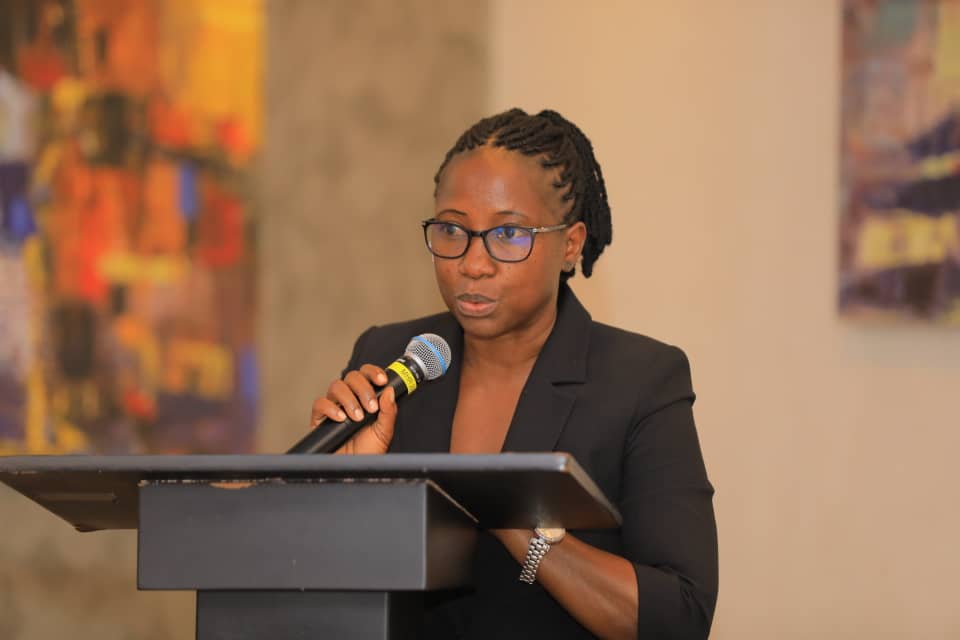
Lucy Peace Nantume, a business and human rights expert at Enabel, said the organisation is working with ACEMP to empower communities in Busoga, the Albertine region and the Greater Kampala metropolitan area to understand their rights before mining projects begin.
“We engage communities on issues such as land rights, agreements and bargaining. We also train them on Business and Human Rights so they are empowered to participate meaningfully in mining projects,” Nantume said.
The president of the Uganda Association of Artisanal and Small-scale Miners, John Bosco Bukya, said the association has made significant progress in advocating for the recognition of artisanal miners.
He said government formally recognised the sector following the adoption of the National Mining and Mineral Policy in 2018 and the enactment of the Mining and Minerals Act, 2022.
Bukya, however, said artisanal miners still face lengthy licensing procedures, limited access to finance and bureaucratic delays that affect their operations.
He added that members of the association now supply gold directly to the Bank of Uganda, reflecting the growing formalisation of the artisanal mining sector.
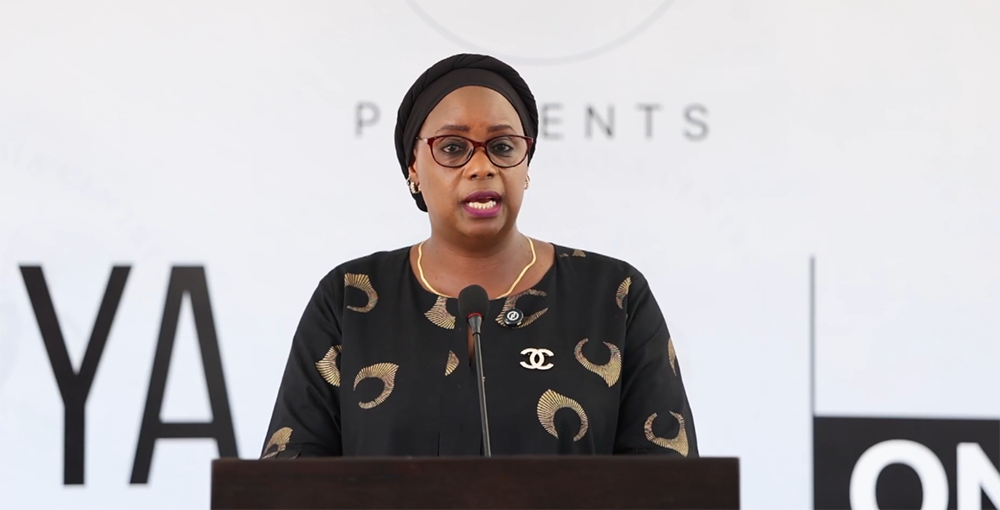
Kitgum RDC Jimmy Ebil Ssegawa said the government views mining as one of the sectors that will drive Uganda’s economic transformation.
He said President Museveni has identified the mining sector as one of the industries that can contribute to the country’s target of growing the economy to 500 billion US dollars.
Ssegawa said government has issued mining licences and strengthened security around mining areas to ensure the country’s mineral wealth benefits Ugandans.
He noted that Kitgum hosts one of Uganda’s largest graphite deposits, which is expected to play a key role in the country’s mining industry.
The first day of the conference featured discussions on successful community engagement strategies, with updates on the Orom Graphite Project being developed by Blencowe Resources and the Makuutu Rare Earth Project by Rwenzori Rare Metals.
Participants also discussed community participation, human rights, inclusion and the implementation of community development agreements aimed at ensuring host communities benefit from mining activities.
The conference concludes today with discussions on strengthening artisanal and small-scale mining through cooperatives, emerging legal and policy issues, and the recognition of outstanding artisanal mining cooperatives.