As Uganda begins implementing the budget for the financial year 2026/2027, the permanent secretary in the ministry of Finance, Dr Ramathan Ggoobi, has said the country’s economy is performing strongly, with faster economic growth, low inflation and a stable Ugandan shilling.
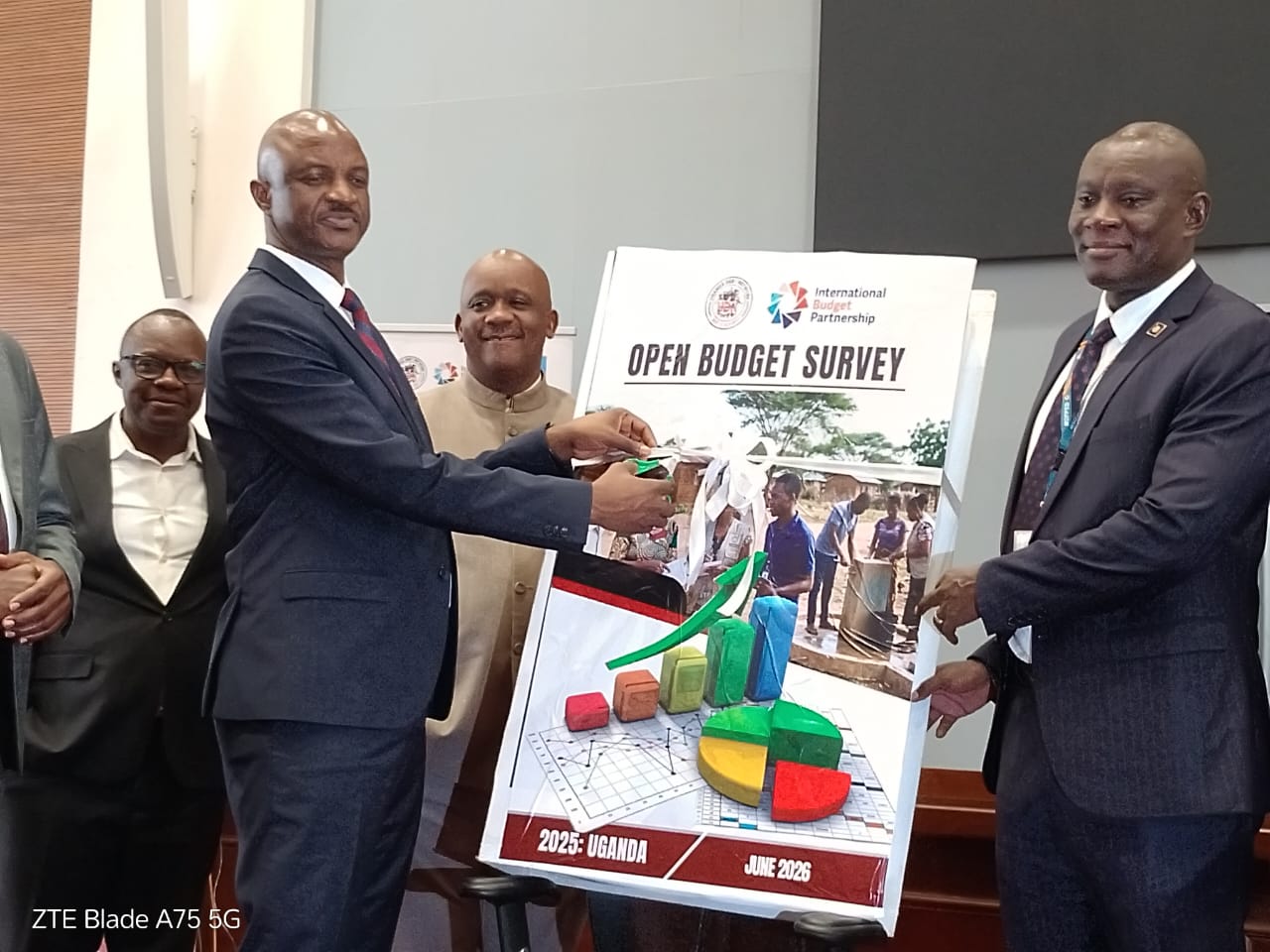
Ggoobi, while launching the 2025 Open Budget Survey results, attributed the performance to the government’s economic policies and President Museveni’s leadership, saying policy consistency has helped maintain investor confidence.
“The president is a very good economist. He does not make policy reversals or engage in unnecessary disruptive politics that can scare away investors,” Ggoobi said.
“I am saying this because we have seen it happen in other countries where sudden policy changes and political instability have contributed to economic collapse.”
He said Uganda continues to attract significant foreign investment because of incentives offered by the government, including tax exemptions, tax holidays, free land for qualifying investors, and improved road infrastructure.
“All these measures have encouraged investors to come to Uganda, and this has created jobs for our people,” he said.
However, Ggoobi said the government has no immediate plans to reduce taxes on fuel despite repeated calls from the business community.
He explained that fuel remains one of the country’s most heavily consumed commodities, making it an important source of government revenue.
“Fuel is widely consumed by many Ugandans who own motorcycles and vehicles. Government taxes products based on demand, and fuel is one of those products that generates substantial tax revenue,” he said.
Ggoobi acknowledged that recent increases in fuel prices were partly caused by disruptions arising from the conflict between Iran and the United States, which affected global oil markets.
“Yes, we acknowledge that the fuel crisis came as a result of the Iran-America war. We believe that once the conflict ends, fuel prices will come down,” he said.
He also called on accounting officers across government to ensure the effective implementation of the 2026/2027 national budget.
Ggoobi warned that accounting officers who fail to carry out their responsibilities would be held personally accountable for poor implementation.
He urged public officials to focus on delivering government programmes efficiently so that Ugandans can benefit from the resources allocated under the new financial year.