The Uganda National Teachers’ Union (UNATU) has warned teachers against falling victim to money lenders who are reportedly targeting them with quick and easy loan offers ahead of the anticipated salary enhancement in the new financial year.
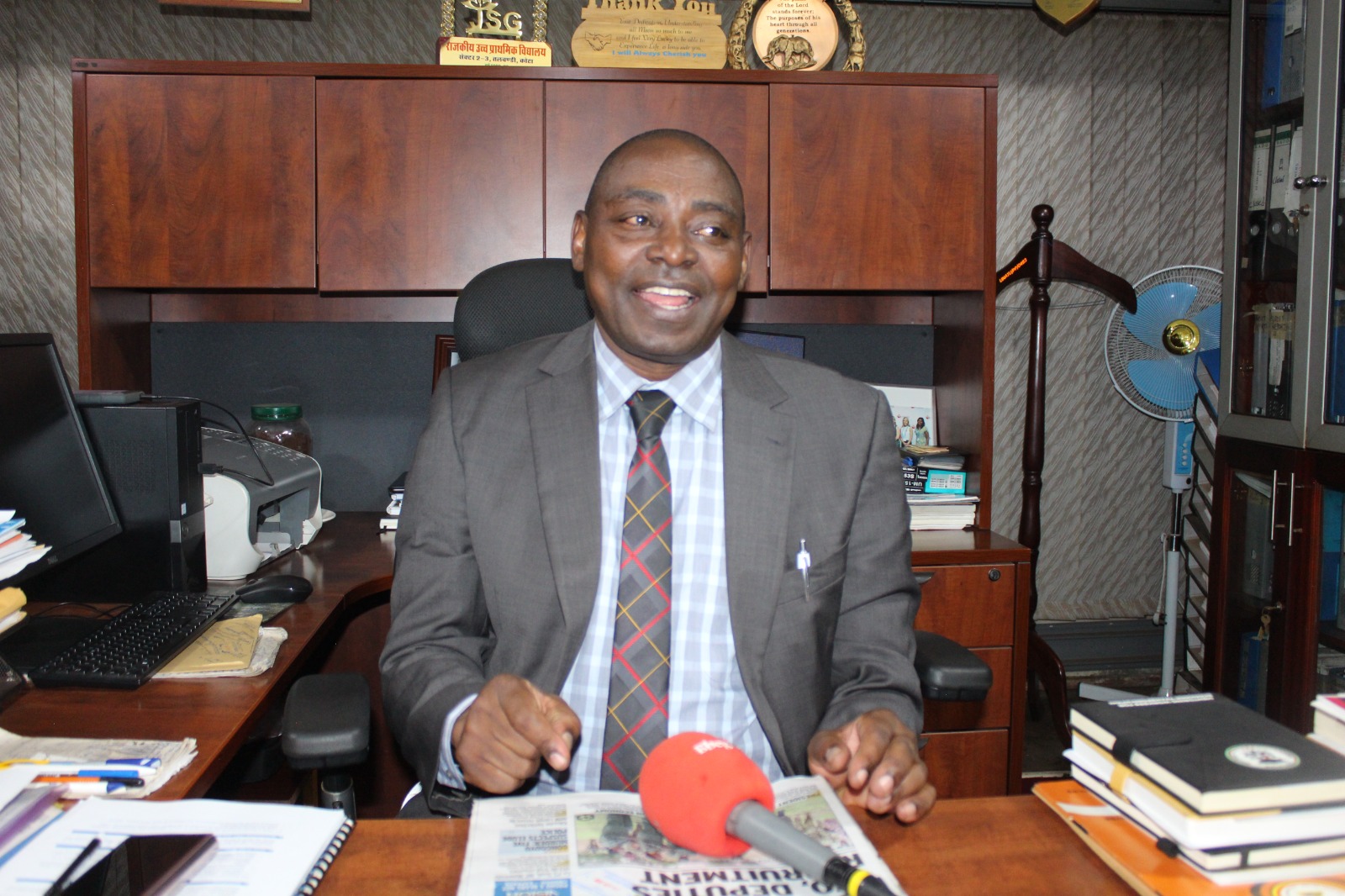
Speaking to Bbeg Media, UNATU secretary general Filbert Baguma said some teachers have already suffered financial losses after accepting loan offers without fully understanding the terms and conditions attached to them.
“I warn all teachers to avoid falling into the trap of money lenders who have made it their business to lure them into signing for quick loans because of the anticipated salary increase in the next financial year. Some of your colleagues have already been robbed and lost money,” Baguma said.
He explained that many lenders are taking advantage of excitement surrounding the planned salary enhancements for primary school teachers and arts teachers in secondary schools and Business, Technical and Vocational Education and Training (BTVET) institutions.
According to Baguma, the government has allocated Shs 568.65 billion for salary enhancements in the financial year beginning in July. However, he noted that teachers should remain cautious because the implementation process is not yet complete.
He said the salary enhancement will only become effective after receiving the necessary approval from the Permanent Secretary in the Ministry of Public Service.
Baguma also argued that the planned salary increment may not significantly improve the welfare of some teachers. He said those earning lower salaries could see little benefit because of increased Pay As You Earn (PAYE) tax deductions.
“The salary increase should not make teachers overly excited because many of them may not feel a substantial difference in their take-home pay,” he said.
Despite these concerns, Baguma welcomed the government’s commitment to addressing some of the long-standing demands of teachers.
He praised the national budget presented by Finance Minister Henry Musasizi, which allocated Shs5.04 trillion to the education sector.
According to Baguma, the funding demonstrates government recognition of the importance of education and includes measures aimed at improving access to free education, teacher training and school infrastructure.
Other planned interventions include digital reforms in education, continued support for Universal Primary Education (UPE) and Universal Secondary Education (USE), expansion of the Higher Education Students’ Loan Scheme, and sponsorship programmes for students in public universities.
On proposals that teachers should educate their children in the schools where they work, Baguma challenged government leaders to lead by example.
He said ministers and other public officials should first enrol their own children in government schools instead of sending them abroad or to expensive private institutions.
“If ministers can take their children to government schools, teachers can also do the same. Government must first improve service delivery in public schools so that people have confidence in them,” he said.
Baguma also responded to concerns about absenteeism among teachers, defending them against what he described as unfair criticism.
He said teachers are human beings who face personal challenges and emergencies like other workers.
“Teachers can fall sick, attend funerals, handle family emergencies or other important responsibilities. They should not be judged solely on the basis of absenteeism,” he said.
He called on government and education stakeholders to address the underlying challenges facing teachers while continuing efforts to improve the quality of education across the country.