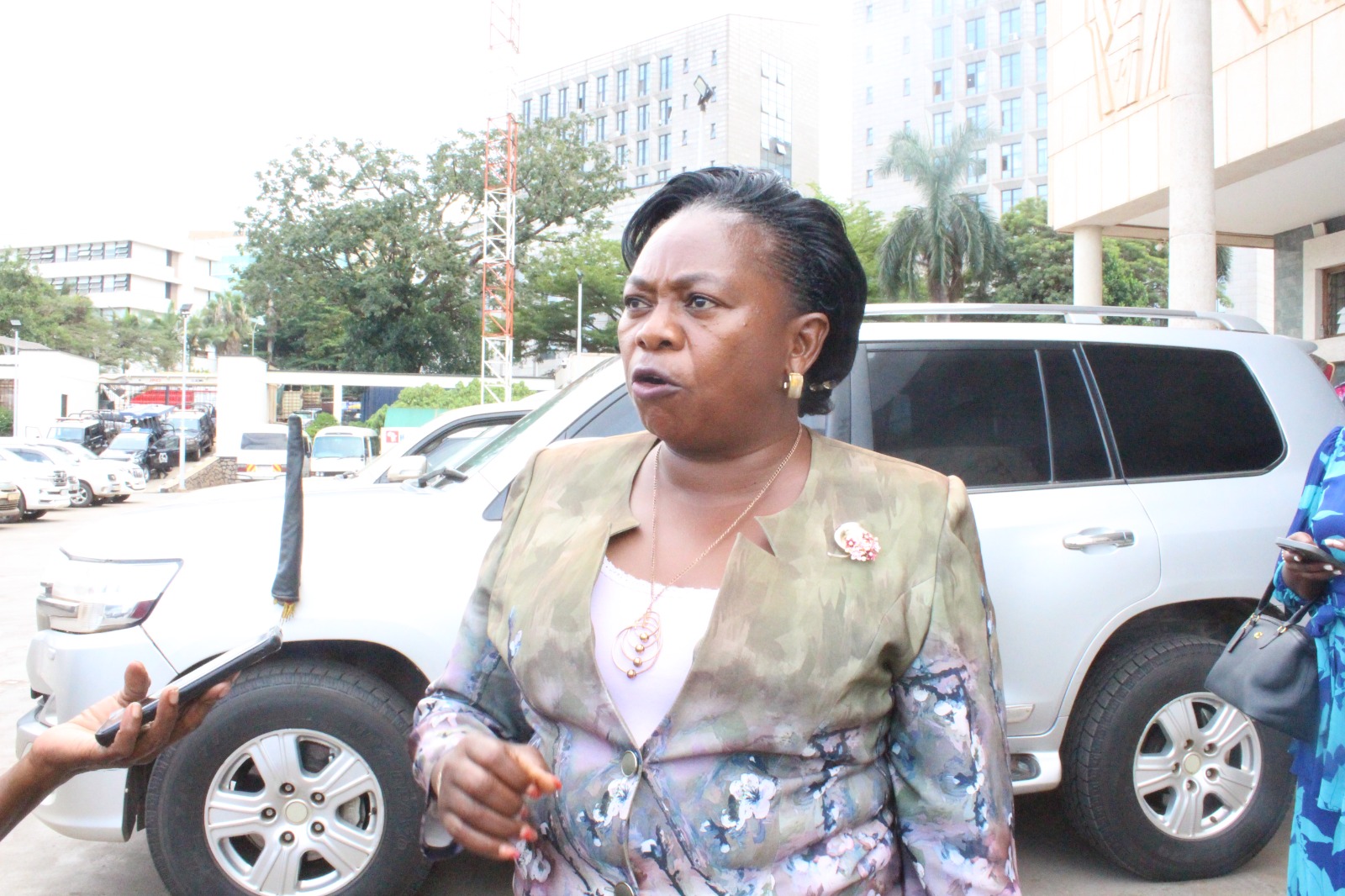
The newly appointed state minister for Lands, Harriet Ntabazi, has defended the involvement of Resident District Commissioners (RDCs) in land matters, saying their role is provided for under the Constitution and should be respected by the public.
Ntabazi made the remarks while speaking to Bbeg Media at Parliament in response to concerns raised by some opposition politicians and members of the public who have accused RDCs of contributing to land conflicts in some parts of the country.
“Because the minister cannot be everywhere, our brothers and sisters who are appointed as RDCs are mandated to provide support. They derive their powers from the minister as stipulated in the Constitution,” Ntabazi said.
Ntabazi, who is also the MP for Bwamba County in Bundibugyo, said the Constitution clearly outlines the responsibilities of the Ministry of Lands and the institutions involved in land administration.
She cited Articles 237, 245 and 247 of the Constitution, which provide for the management of land and the roles of various government bodies responsible for land governance.
According to Ntabazi, the ministry of Lands works closely with land tribunals, district land boards and land committees to ensure effective administration of land matters across the country.
She noted that RDCs often play a role in resolving land disputes, addressing conflicts, supporting the implementation of land reforms and coordinating government interventions in land-related matters.
However, critics have accused some RDCs of favouring powerful individuals and alleged land grabbers in disputed land transactions. Some claim that certain commissioners use their influence to interfere in land disputes for personal gain.
Ntabazi is expected to help tackle longstanding disputes between landlords and tenants, as well as conflicts arising from the coexistence of customary and statutory land tenure systems.