Stakeholders in Uganda’s agriculture sector have called for stronger collaboration among financial institutions, regulators, manufacturers, and farmers to combat counterfeit agricultural inputs and strengthen food security across Sub-Saharan Africa.
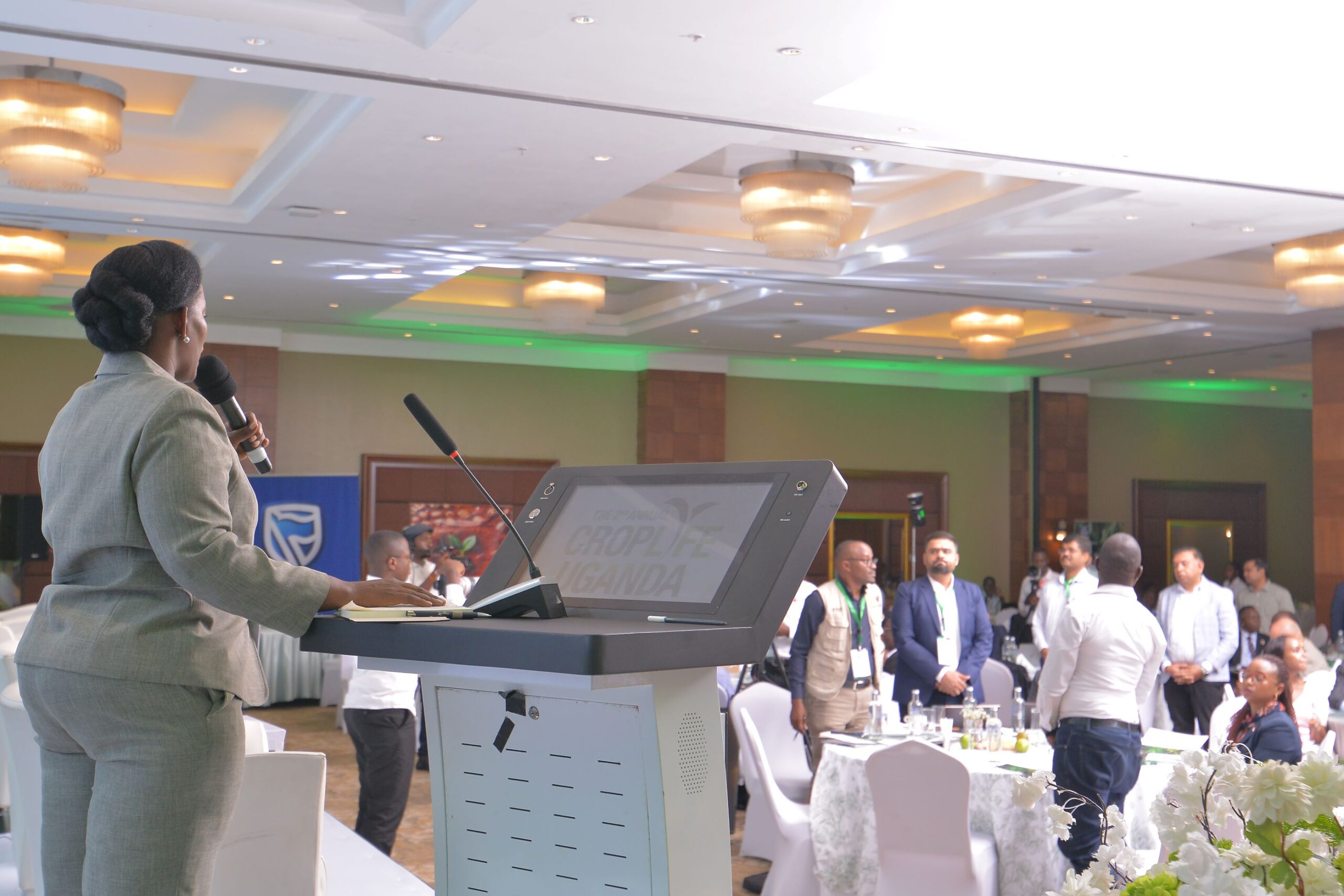
The call was made during the second edition of the CropLife Uganda Symposium held at Sheraton Kampala Hotel under the theme, “Emerging trends in seeds, crop protection and fertiliser industry: embracing change and sustainability to ensure food security, health and safety”.
The symposium brought together policymakers, agribusiness leaders, regulators, researchers, development partners, and farmers to discuss agricultural innovation, regulatory readiness, and sustainable food production.
Dr Paul Mwambu, Commissioner for Crop Inspection and Certification at the Ministry of Agriculture, Animal Industry and Fisheries (MAAIF), said the government had made progress in tackling counterfeit agricultural inputs but warned that tougher measures were still needed.
“We have made strides in fighting counterfeits in the country. The ministry is actively involved in crackdowns, but as an industry, we need punitive action,” Mwambu said.
He proposed the deregistration of agro-input dealers found selling counterfeit products.
“Every two years, dealers receive certificates for their premises and dealership operations. Those caught counterfeiting should be deregistered so they understand that endangering farmers carries serious consequences,” he said.
Agnes Mbabazi, chairperson of CropLife Uganda, called for greater collaboration and self-regulation within the agro-input industry.
“This industry is not an ordinary business. It is an ecosystem for feeding the nation. Poison in food could endanger Uganda’s 47 million people, which is why counterfeiting must be treated seriously,” she said.
Mbabazi said CropLife Uganda has been working closely with regulators and industry players to improve compliance and strengthen accountability in the sector.
“As an umbrella body, we understand the importance of whistleblowing and dialogue so that all stakeholders can work towards a common agenda. Through engagement with MAAIF, CropLife helped achieve clarity on products that are banned and those that are restricted,” she said.
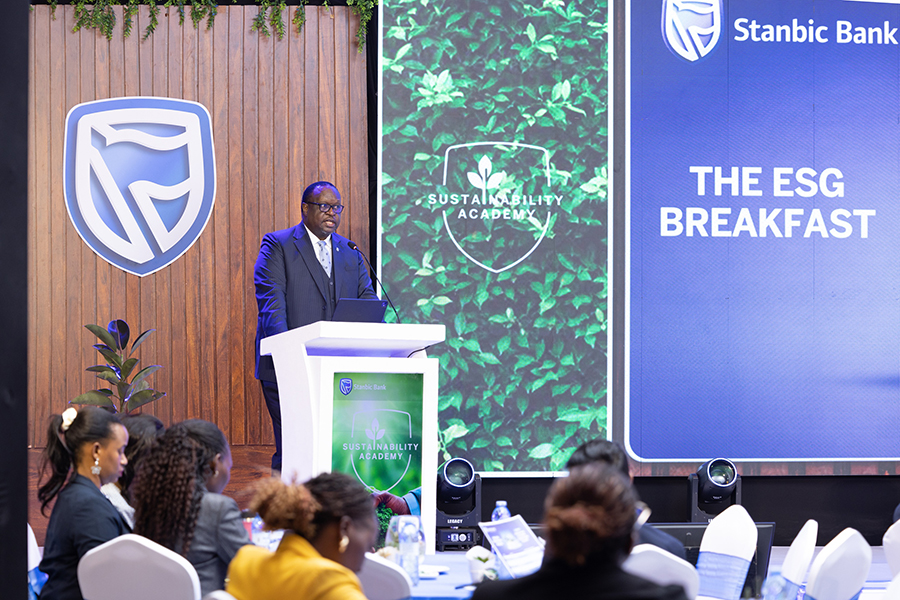
Melissa Nyakwe, Head of Commercial Banking at Stanbic Bank Uganda, said the bank’s support for the symposium reflects its long-standing commitment to Uganda’s economic transformation and agricultural development.
“Uganda is our home. We drive her growth,” Nyakwe said.
She said the bank’s support aligns with its Positive Impact Agenda, which focuses on financial inclusion, climate resilience, enterprise development, infrastructure development, and corporate social investment.
Nyakwe said the bank is working to de-risk agriculture by expanding access to affordable and structured financing across the agricultural value chain, from multinational input importers and distributors to farmer cooperatives and smallholder farmers.
“We are intentionally building climate-smart financing frameworks to help agribusinesses adapt, protect the environment, and withstand seasonal shocks,” she said.
She added that initiatives such as the Stanbic Business Incubator and Stanbic For Her programme are supporting youth- and women-led enterprises through financial literacy, mentorship, and access to modern agricultural technologies.
Nyakwe said tackling counterfeit inputs and regulatory bottlenecks requires coordinated action among government agencies, financial institutions, manufacturers, and development partners.
“Capital alone cannot solve the counterfeit crisis, nor can it fix regulatory bottlenecks. We need strong policy direction, ethical stewardship, and quality assurance across the agricultural ecosystem,” she said.
Stella Simiyu, team lead at CropLife Middle East and Africa (CLAME), called for stronger and more responsive regulatory systems to support agricultural innovation and improve farmers’ access to quality inputs.
Farmers are central to our economies, food security, and trade. We cannot achieve food security, sustainability, or increased agricultural investment unless regulatory systems enable timely, science-based, and risk-proportionate decisions,” Simiyu said.