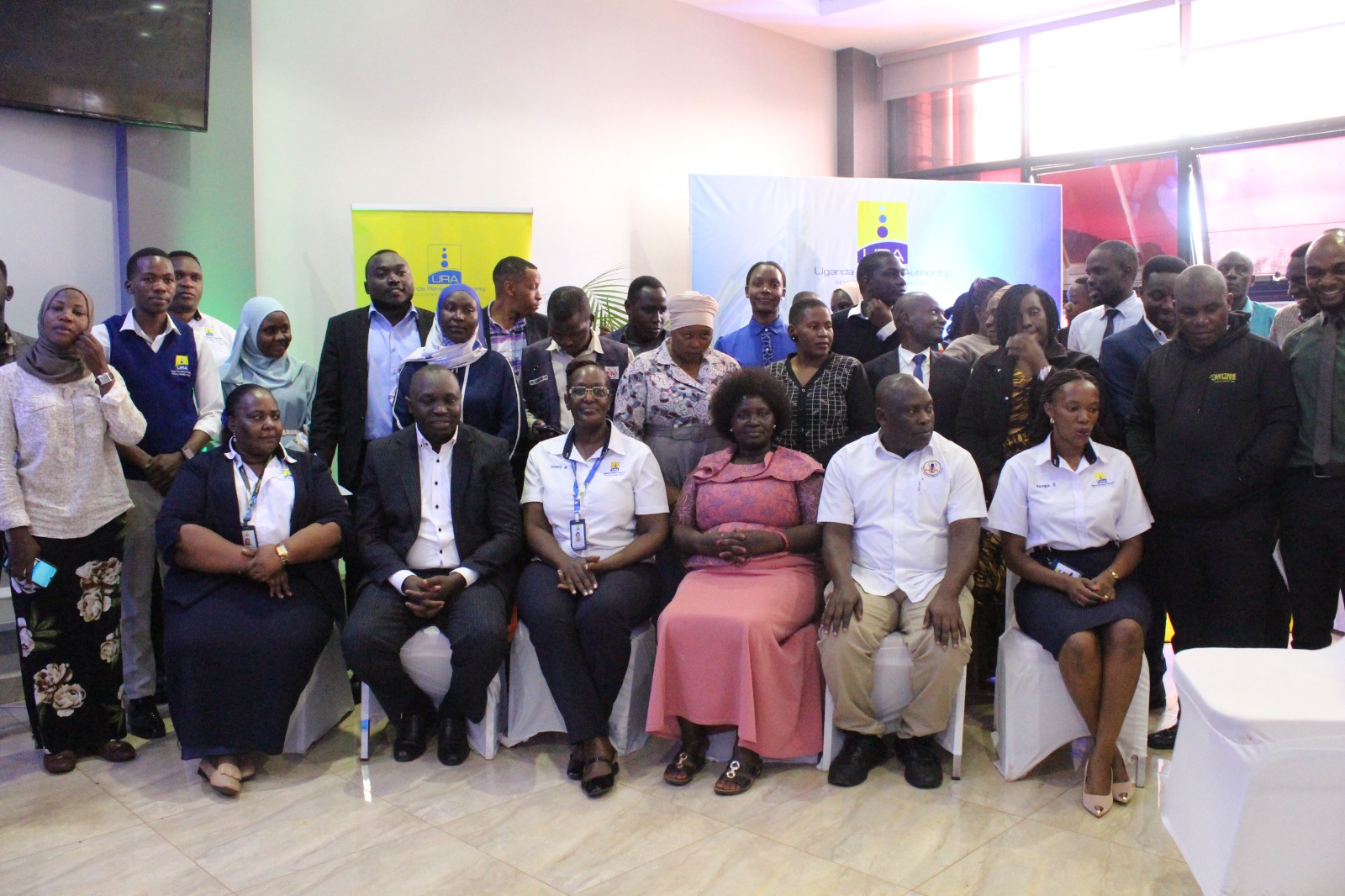
The Uganda Revenue Authority (URA) has pledged to organise more training sessions for journalists to deepen public understanding of taxation and improve reporting on revenue matters.
Myra Ochwo, the assistant commissioner for tax education at URA, made the remarks during a media training for members of the Uganda Parliamentary Press Association (UPPA) at the authority’s headquarters in Nakawa.
“We are very glad to work with you because you are a medium through which we communicate. It is crucial that we train you about our mandate and the taxes we collect from the public,” Ochwo said.
She described the training as an eye-opener and part of a broader effort to strengthen engagement with parliamentary reporters, who play a key role in simplifying complex tax issues for the public.
Hasfa Seguya, supervisor for tax education in the central region, urged journalists to report objectively on taxation and emphasise the importance of compliance.
“For the public to demand service delivery, they must also fulfil their obligation of paying taxes,” Seguya said.
She added that URA would continue to enforce compliance among defaulters and tax evaders, noting that clear communication through the media is essential in helping citizens understand their responsibilities.
Seguya outlined the main taxes collected by URA, including excise duty on items such as sugar, fuel, cooking oil and cement. She also highlighted income tax and Pay As You Earn (PAYE), which are established by acts of parliament.
Simon Esunget, manager at the URA Document Processing Centre, called on journalists to sensitise the public about the importance of proper documentation before paying taxes.
He said correct paperwork would reduce delays and speed up the clearance of goods at border points.
Esunget also noted that URA has implemented a Single Customs Territory within the East African Community to reduce non-tariff barriers such as bureaucracy, hidden charges, and inconsistent application of rules across member states.
The training comes as the country approaches the national budget reading in June, when the government is expected to announce new tax measures, including proposals affecting essential goods.