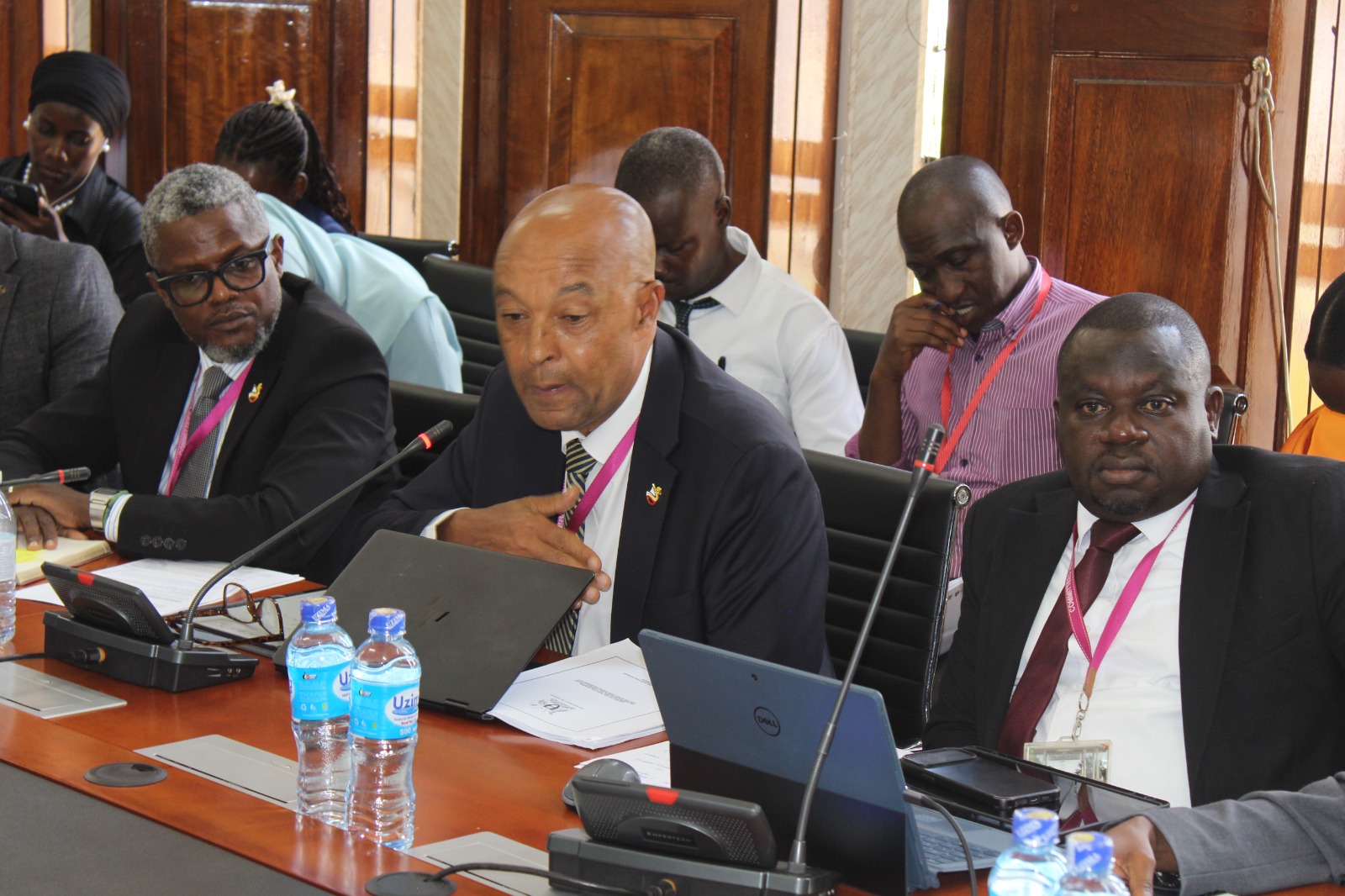

John Walugembe, the executive director of the Federation of Small and Medium-sized Enterprises (FSME), has called for a structured dialogue to resolve tensions following the suspension of roadside vendor evictions.
Walugembe said a multi-stakeholder committee should be established to bring together key actors and affected traders to find a lasting solution.
“We need a committee that brings together local government, the Ministry of Finance, the Ministry of Works, traders, vendors and the affected victims themselves,” he said.
According to Walugembe, the committee would engage directly with those affected and develop practical measures to regulate trade while protecting livelihoods.
He said the team should also draw up strategic plans to enable vendors and formal traders to coexist and contribute to the country’s development.
His remarks come after the government halted the eviction of roadside vendors and informal traders following widespread public outcry.
The move, announced by the government, followed reports of destruction of property and confiscation of goods during the enforcement operations.
The evictions had been part of an effort to restore order in cities, municipalities and town councils.
However, the crackdown sparked anger among traders, many of whom accused authorities of using excessive force and failing to provide alternative working spaces.
Walugembe said public awareness would be critical before any future enforcement is carried out.
“We propose at least two months of public sensitisation before any eviction is done,” he said.
He also urged the government to consider alternative workspaces beyond traditional markets, noting that some traders, such as mechanics, cannot operate effectively within market settings.
The suspension of evictions is expected to offer temporary relief to thousands of informal traders as discussions continue on how best to organise urban trade without undermining livelihoods.