By Priscilla Najjuma
Forget stiff corporate headshots and formulaic social media feeds.
In Uganda, where hospitality runs deep, the entrepreneurial spirit is vibrant, and the handshake still carries weight, personal branding is less about a manufactured persona and more about an authentic, deeply rooted legacy.
It is about being the delicious, consistent, and memorable “matooke” in a world of fast food trends.
My journey into this topic was recently enriched by completing an in-depth course on personal branding. It helped crystallize key ideas and inspired me to translate them into a distinctly Ugandan reality.

The goal is to build a brand so rich and true to who you are that people do not just notice you, but actively seek you out.
Your journey begins with a deep understanding of your own landscape, much like a boda-boda rider who knows every shortcut and roadblock. Instead of copying Western influencers, weave your unique value into your own story, culture, and hustle.
Start by defining three to five pillars, the non-negotiables that guide your actions. Whether it is kugumiikiriza, meaning resilience, or ubuntu, meaning humanity, these pillars form the foundation of your brand.
Once defined, they support everything you do. Globally, 80 percent of recruiters consider personal branding important when evaluating candidates. People are also more likely to trust a company when its leaders are active and authentic online.
Next, apply the “rolex” rule of consistency and flair. A perfect Ugandan rolex is simple yet unforgettable. It is consistent in preparation but allows for personal touches such as extra tomatoes, mayonnaise, or chilli.
Your brand should follow the same principle. It needs both reliability and personality.
Clarity is essential. You should be able to explain what you do and who you serve in one compelling sentence. For example: “I am a financial literacy champion who helps young Ugandan entrepreneurs turn their side hustle into a main source of income without the stress of Kampala.”
You must also show up consistently. Trust is built through regular engagement. Whether you commit to one LinkedIn post a week with industry insights or a biweekly video discussing market trends, consistency turns followers into loyal supporters.
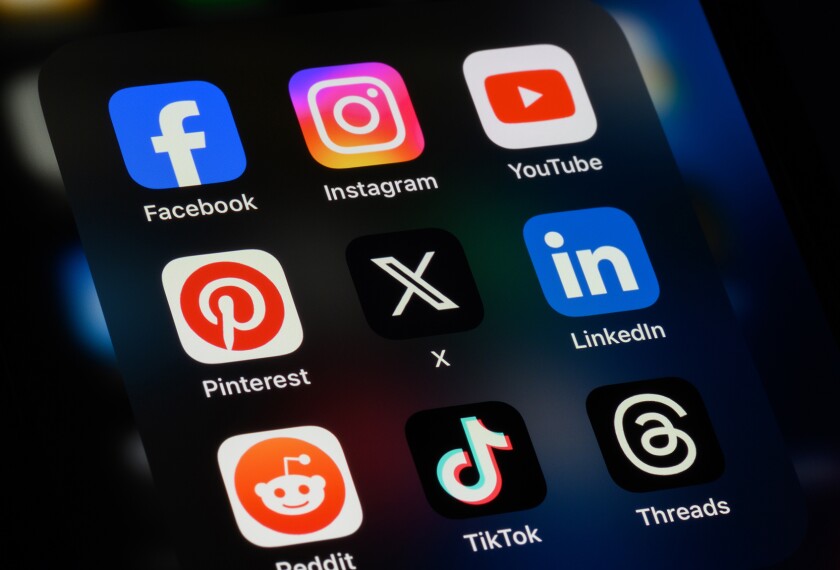
Do not spread yourself too thin across platforms. Instead, focus on one or two where you can show up strongly. LinkedIn is essential for professional credibility, while platforms like X or even a WhatsApp Channel can help you reach a more local and engaged audience.
This connects directly to the “muwogo” approach to networking, which is about deep roots and strong connections. In Uganda, business is built on relationships. The people you know, and those who vouch for you, often matter more than certificates. This is where your personal brand comes alive offline.
Understand that your brand will evolve over time. This is the power of the kisanja, or season. Be open to opportunities that align with your values.
Most importantly, give value to receive value. Do not attend events just to collect business cards. Go with the intention to help others and connect people who can benefit from each other. Become someone others are proud to recommend.
Just as a gomesi represents elegance and respect, your online presence should reflect professionalism.
A complete and polished LinkedIn profile is the minimum standard. Remember that 98 percent of employers research candidates online. What they find about you matters.
Finally, aim for the legacy of enku, or firewood, which represents lasting impact. The fire that cooks a communal meal leaves warmth that lingers. Your personal brand should do the same. It should reflect your authentic self and be shared consistently with your community. In the end, it becomes one of your most powerful assets.
Go forth and build a brand that is as rich, authentic, and unforgettable as the Pearl of Africa.
The writer is a PR Executive at Brainchild Burson.