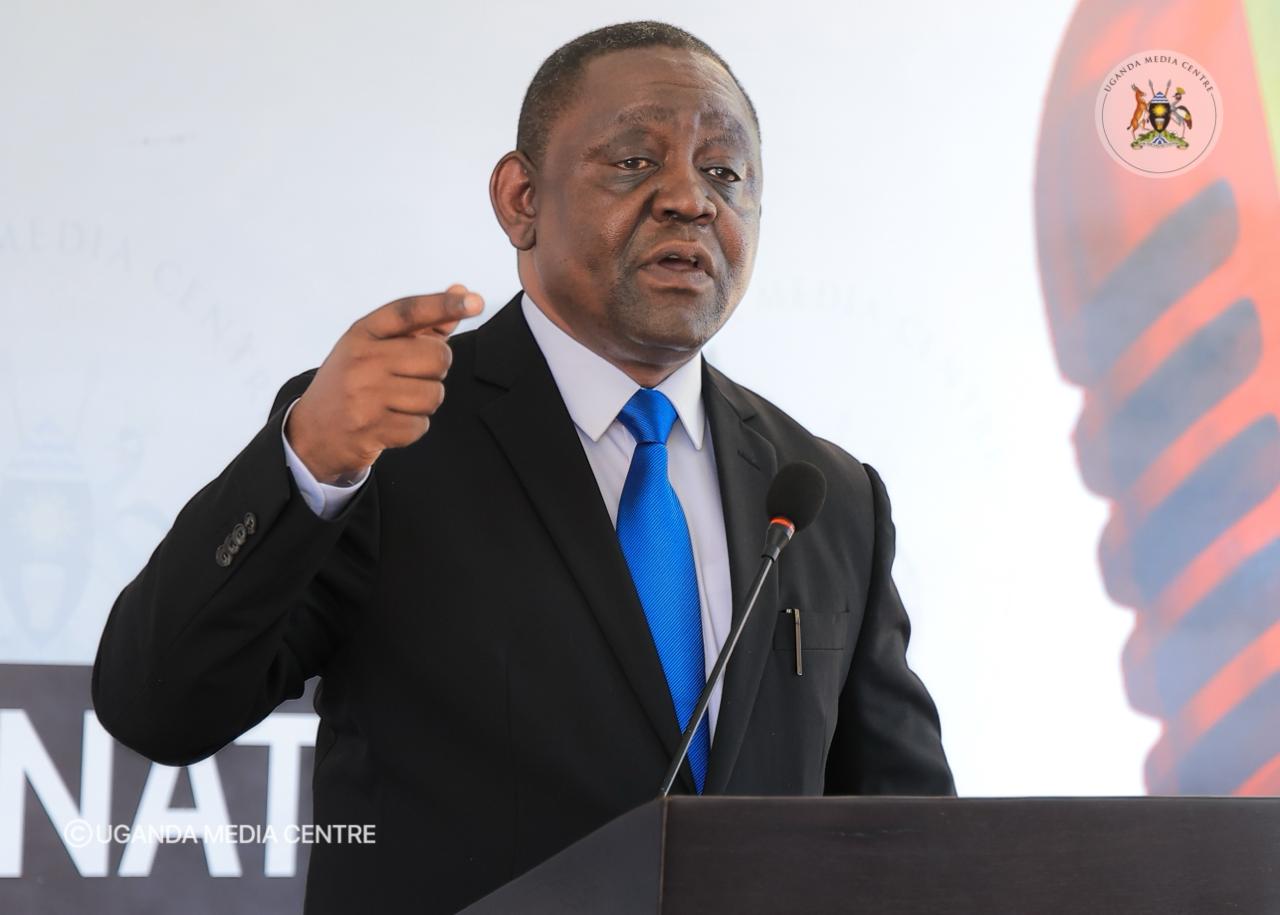
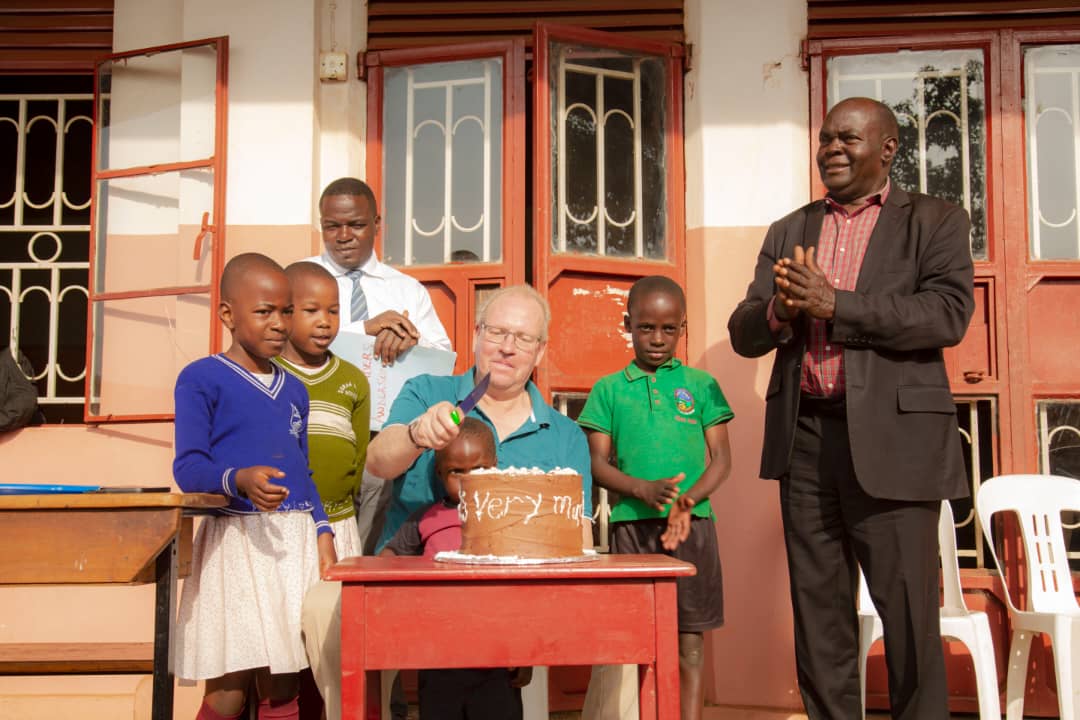
Senior presidential envoy Zephania Kizza Sseninde has called for collective responsibility in improving management and service delivery in government-aided schools, saying the time for shifting blame has ended.
Sseninde, a senior educationist and director at Kide Day and Boarding Primary School, made the remarks in an interview with Bbeg Media at Wandegeya in Kampala while discussing the state of schools under Uganda’s Universal Primary Education (UPE) programme.
“I am very concerned that many parents, especially in faith-based schools such as Church of Uganda and UMEA schools in Wakiso, Mukono, and Kayunga, have neglected their responsibility when it comes to school development. They keep waiting for the government to do everything. That is enough now,” he said.
Sseninde said communities and parents must work with the government to improve school infrastructure, welfare, and learning conditions for pupils.
He revealed that through partnerships with well-wishers and international friends under the Uganda North American Association (UNAA), efforts have already started to improve service delivery and management in several Universal Primary Education schools that were in a poor state.
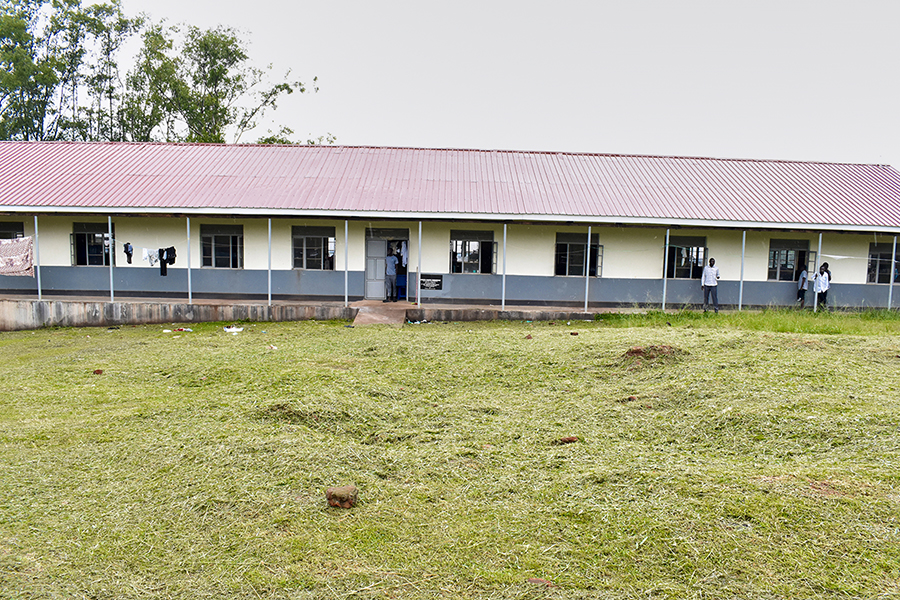
The initiative has focused on improving basic facilities such as classrooms, kitchens, meals for learners, and the construction of perimeter walls to enhance the security of school property.
Sseninde also praised residents who have contributed resources to support education in their communities. He cited Mrs. Muwanguzi, who donated 10 acres of land for the construction of a technical school, and Mrs. Kajoina, who helped establish a school valued at about $3 million with support from American partners.
According to Sseninde, the schools established through these partnerships have been equipped with essential facilities, including classrooms, visitors’ rooms, and mattresses to improve the welfare of learners.
He said significant progress has been recorded in areas such as Gayaza Kimazi and Kiwanguzi near Kikandwa.
Sseninde noted that five villages, including Senyomo A, Senyomo B, Namakofu, Kiwanguzi, and Kikandwa, have benefited from the initiative. He added that with support from the First Lady and Minister of Education, Janet Museveni, schools in the area received iron sheets, kitchen equipment, and food items to support breakfast and lunch programmes.
He emphasized that proper nutrition is critical for pupils to concentrate and perform better in class.
Sseninde said he plans to visit several government-aided primary schools that still face serious challenges in order to monitor their progress and mobilize support. These include Kadongo Primary School in Gayaza and Nakaswa Primary School.
He appealed to parents to actively participate in supporting schools and ensuring the welfare of their children.
Despite the improvements recorded in some areas, Sseninde expressed concern about the lack of basic facilities in many government-aided schools. These include inadequate classrooms, limited access to clean water, shortages of teachers, and a lack of regular meals for learners.
He attributed the situation partly to education authorities and parents who assume that the government alone should take responsibility for educating their children.
Sseninde also commended YMCA for establishing a technical school at Kalanamu, saying the institution has helped equip many young people with practical skills that enable them to create their own jobs rather than wait for white-collar employment.