HIRE BENARD
Across the world, the word cancer often creates dread. Yet cancer is not automatically a death sentence. My experience taught me that early diagnosis, appropriate treatment, faith and the right support can make a difference.
My name is Hire Benard. I am a social worker and counselling psychologist, and a cancer survivor treated at the Uganda Cancer Institute (UCI).
In October 2024, I was diagnosed with nasopharyngeal carcinoma (NPC), a cancer of the upper throat behind the nose that is rare in Uganda.
It began with an on-and-off blockage in my ear that eventually became complete. Two biopsies came back negative. Further surgery and testing then found cancerous cells at the back of my nose.
During my many consultations, doctors kept mentioning cancer, though it had not been confirmed. I tried to prepare myself mentally for the worst. Even so, the day I received my results was one of the scariest of my life.
I thought about my family, my plans and the struggles of treatment, until I accepted that I had to fight the battle to the last minute.
After the diagnosis, my routine changed. I stopped working to focus on my health.
Before treatment began, I started having blackouts. The first came while I was driving to Kayunga with my wife.
She later told me: ‘I noticed that we were leaving the road, only to see you unconscious with your tongue dropped and your eyes white. I called your name and shook you until you regained consciousness. I think you died for a minute.’
The episodes began with sharp pain at the back of my head, followed by jerking and blackouts when I lay flat or took certain postures.
After an MRI scan and a consultation with a neurosurgeon, I was told that a swelling was pressing on my vagus nerve. The condition disappeared when I started chemotherapy. For two to three weeks, I could not sleep lying down and slept seated in a plastic chair.
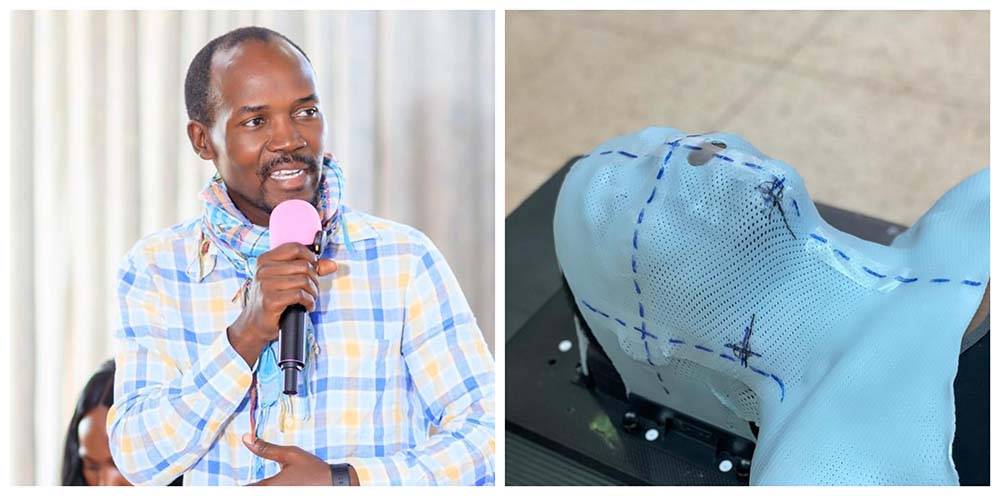
I underwent chemotherapy and 35 sessions of radiotherapy at UCI, with regular medical reviews. It was the toughest experience of my life.
It was the first time I had cannulas inserted. I cannot count how many times my hands were pierced during chemotherapy.
The side effects included hair loss, loss of my voice for about two months, and a change in the taste of my tongue that lasted for a year. My throat was sore and dry whenever I ate.
For several months, I survived mainly on soft foods such as Irish potatoes, pumpkin and water, though I needed a balanced diet to boost my immune system. The treatment made my mouth so sensitive that most foods triggered sores and pain in my mouth and throat.
I went to UCI every day from Monday to Friday, arriving by 4.30am to beat the long queue. I saw thousands of people battling cancer, regardless of sex or age.
The medical and non-medical teams were at their best, despite the frustration of some patients and caregivers.
My family and friends, especially my wife and our five-year-old daughter, Ella, became an important source of strength and encouragement. I could not imagine their lives without me.
I fought cancer on three fronts: following the treatment plan and guidance of health professionals, keeping a healthy lifestyle, and staying hopeful and positive even on difficult days. I also learned the value of patience, faith, emotional support and educating myself about my condition.
Along the way, I encountered myths, stigma and misconceptions. Some people blamed my illness on witchcraft or HIV/AIDS.
Others urged me to seek traditional remedies instead of medical treatment. I chose to follow professional medical advice and stay focused on recovery.
I had also made another important decision earlier: to stop drinking alcohol after many years. That became a positive milestone in my life.
Today, I share my story not to frighten people but to break the silence around cancer and restore hope. Side effects vary from patient to patient, and treatment depends on the type and stage of the disease.
Patients and survivors should not be hidden or defined by their diagnosis. They remain people with dreams, families, talents and futures.
To anyone undergoing cancer treatment: do not lose hope. Follow your treatment plan, talk honestly with your health professionals, seek support from people you trust, and remember that difficult days do not define your whole journey.
To families and caregivers: your patience, encouragement and emotional support matter greatly. Your presence can give a patient the strength to keep fighting.
I am deeply grateful to my wife, family and friends, to Mulago Hospital, to the Uganda Cancer Institute, and to the doctors and nurses who supported me throughout.
From October 2024 to August 2025, I lived through a chapter that once frightened me and my family.
Today, I choose to turn survival into hope, knowledge and action: to encourage early detection, appropriate treatment, greater understanding and stronger support for people affected by cancer.
The author, a cancer survivor, is social worker and counselling psychologist.