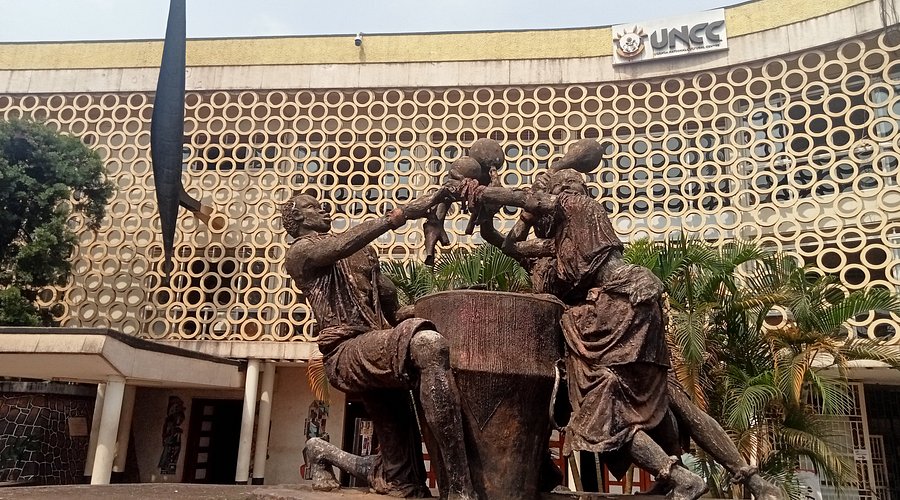
Artists from several associations and federations have accused the Uganda National Cultural Centre (UNCC), commonly known as the National Theatre, of sidelining most of them, especially when it comes to money.
Theatre practitioners and event organisers told MPs that the centre, which is mandated to house them, has neglected their needs for years.
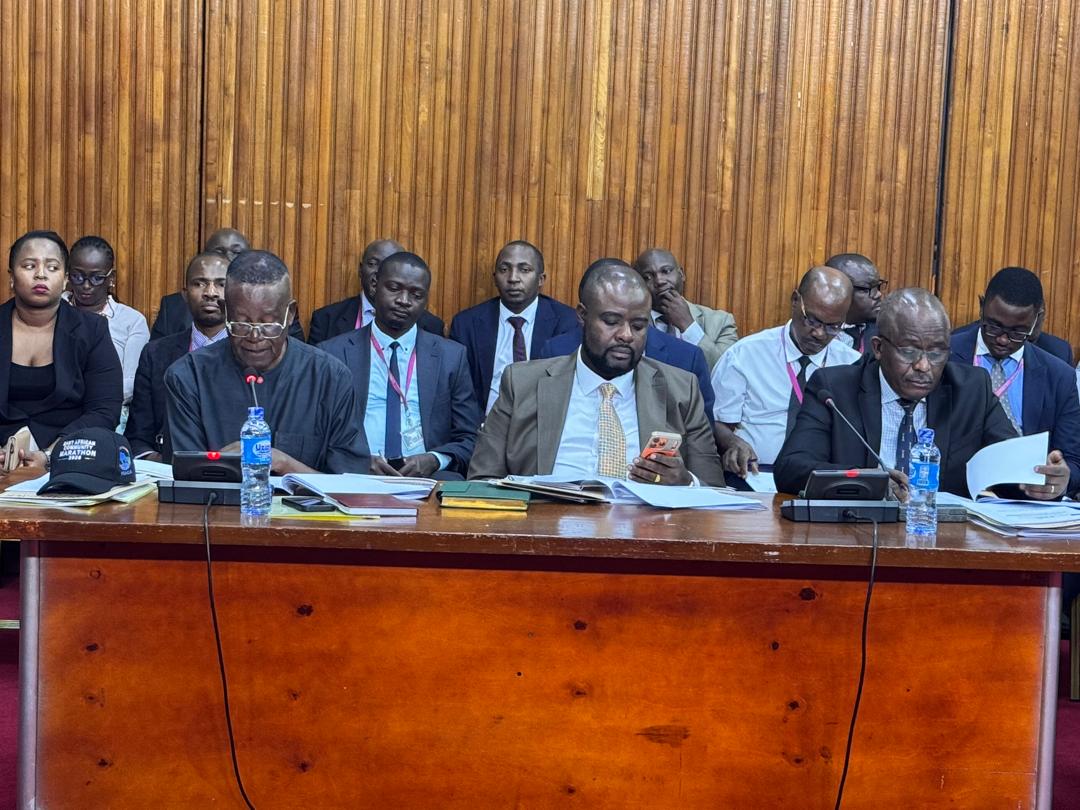
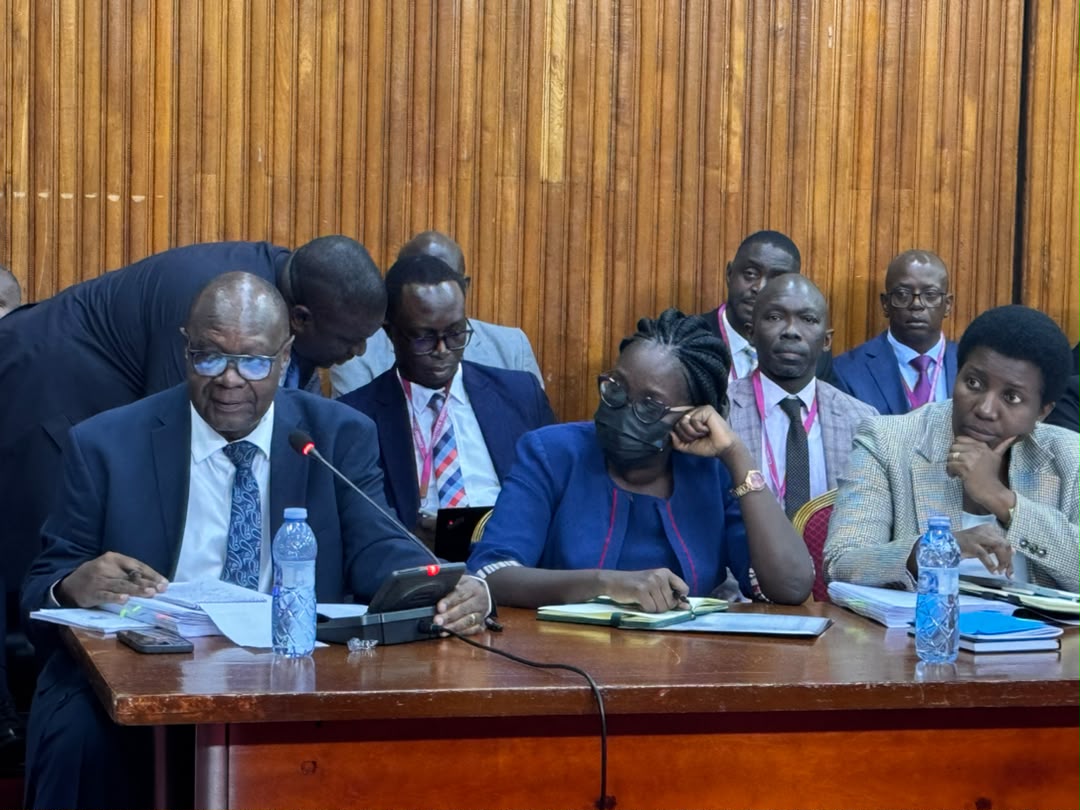
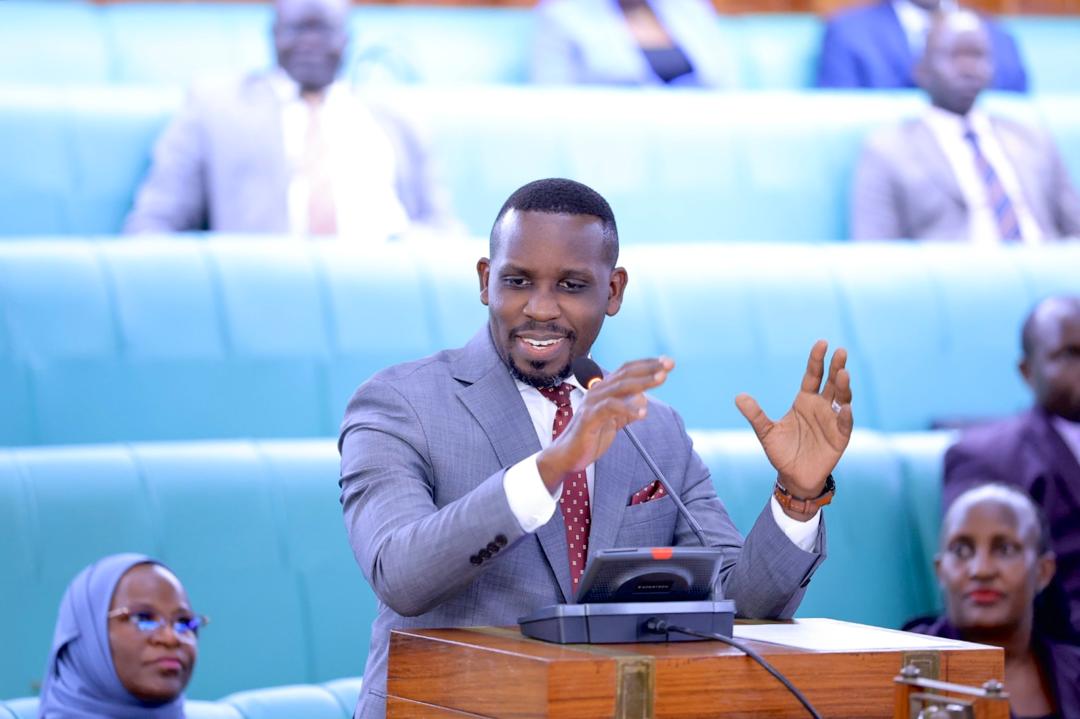
They were appearing before Parliament’s Committee on Commissions, Statutory Authorities and State Enterprises (COSASE), chaired by Muwada Nkunyingi, the MP for Kyadondo East.
The committee had been due to examine queries raised in the auditor general’s reports on the centre. It paused that inquiry because the UNCC board members were absent.
MPs went ahead to hear the complaints of the artists’ groups instead. The centre was represented by its executive director, Francis Peter Ojede.
‘Emphasis on music’
Charles Ssenkubuge, who led a team of theatre artists, accused Ojede of neglecting and isolating them. He said the centre puts more emphasis on music than on other art forms such as theatre.
Ssenkubuge said the artists had not been invited by the centre. It was the committee that called them.
“Mr chairman, UNCC did not extend the invitation to us, it is the committee that did it,” he said. “We are happy our domain is invited. I am not sure whether those people know what to do.”
He said the centre was mandated to build theatres across the country, yet none existed outside the National Theatre.
“It is from here that I gather that the centre is mandated to build theatres all over the country, but there is no theatre anywhere,” he said. “When we go there to seek support, they make you wait for almost days.”
No office for event organisers
Abbey Musinguzi, known as Abtex, told MPs the centre had neglected event organisers so badly that they had no office there.
“They have done a lot of nothing. They have not been recognising us for long,” he said. “We do not have an office at the National Theatre, yet we are mandated to have one. Most offices at the National Theatre are for brokers and lawyers.”
Moses Lubuulwa, known as Luba, said the conditions for using the National Theatre were so many that even in death an artist struggled to be laid there.
Other artists accused the centre of failing to account for its operations.
Dan Kazibwe, known as Ragga Dee, said the fact that so many groups had come to Parliament was a good sign.
“Mr Chairman, the fact that all these organisations have come here is a positive thing,” he said. “The industry has all along suffered, but the stride is that we have moved from informality to formality, and that is a giant step.”
Ojede admitted that some of the complaints were true but said they were beyond the centre’s control, particularly those about theatres.
“It is true we have not had theatres in many parts as mandated,” he said. “But government has agreed that we look for land in the different places to have these considered.”
He told MPs the National Theatre was open to all artists, but space was limited.
“We cannot house everyone, but we manage to have offices for some, on a first come, first served basis,” he said.
The committee adjourned the meeting until next week. It said it would sit at the National Theatre to hear complaints from all stakeholders.