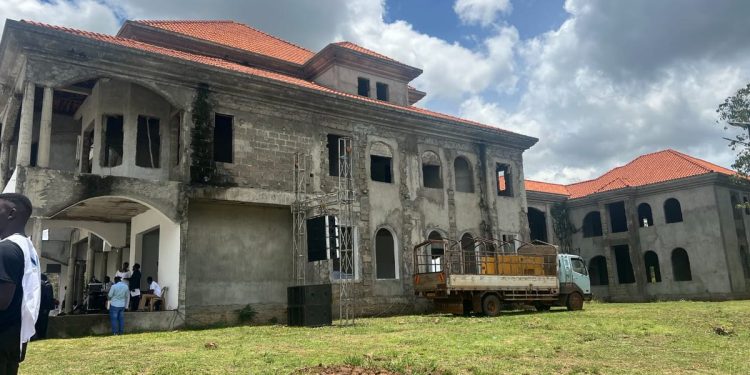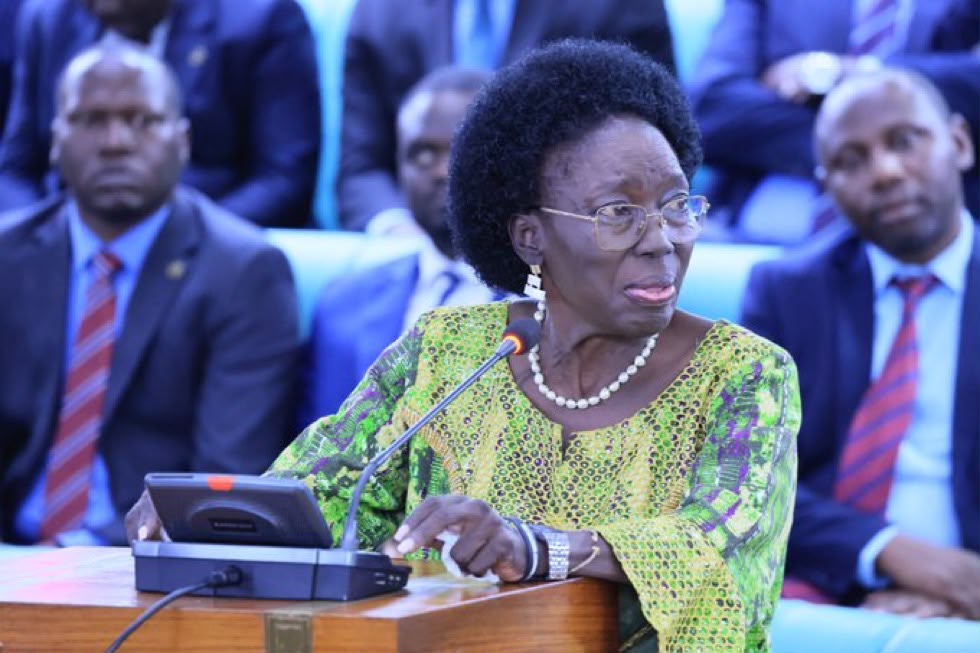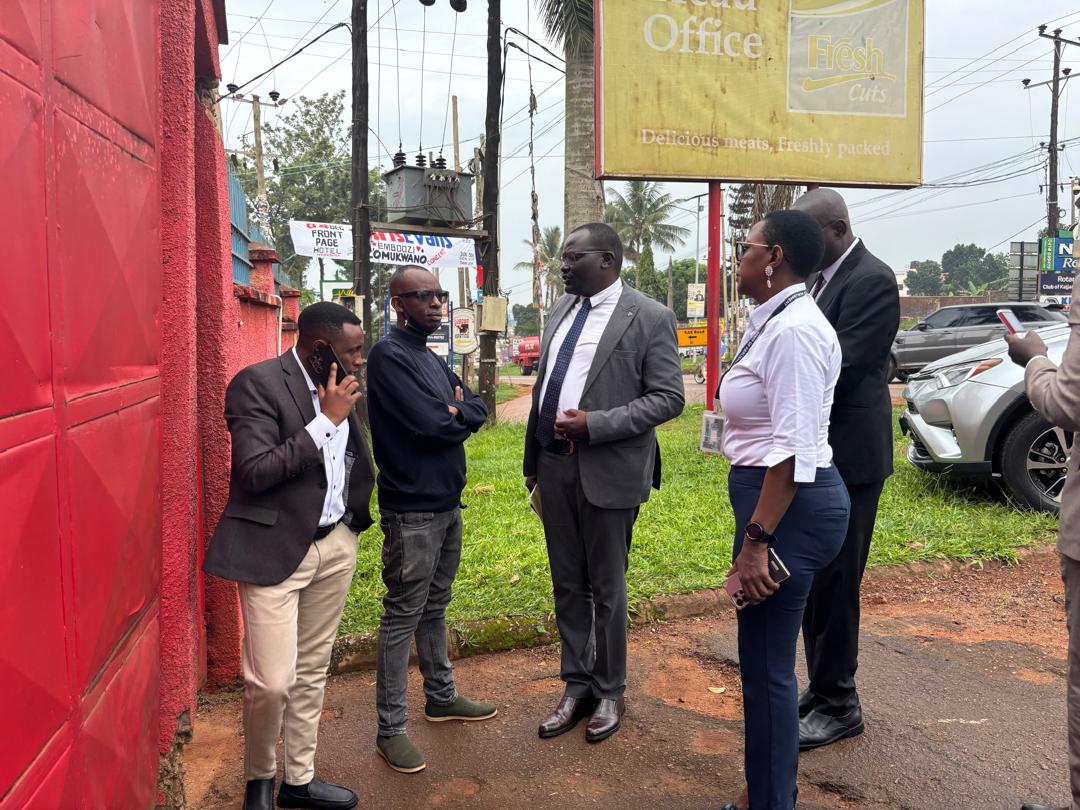
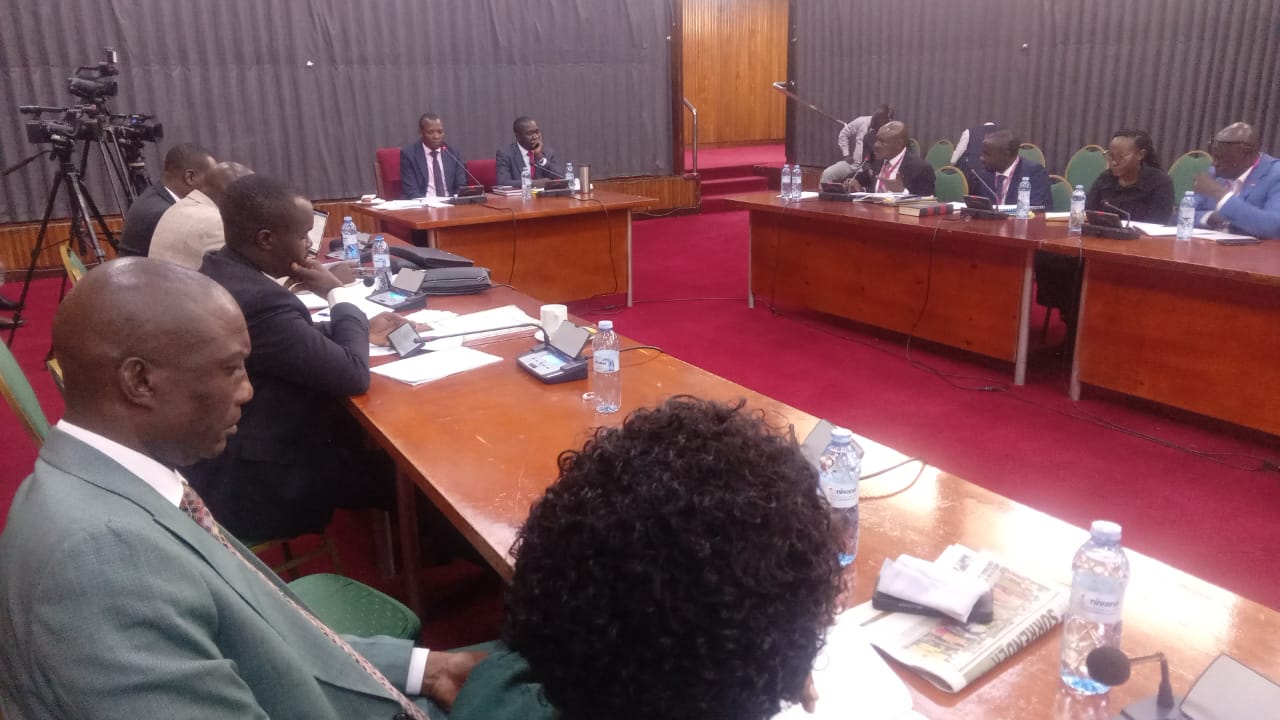
The Departed Asians Property Custodian Board has told Parliament that inadequate funding and a shortage of staff are making it difficult to manage thousands of properties left behind by Asians who were expelled from Uganda in 1972.
The board’s Executive Secretary, George William Bizibu, said the institution lacks the financial and human resources needed to monitor the properties across the country, raising concerns about the possibility of the government losing more of its assets.
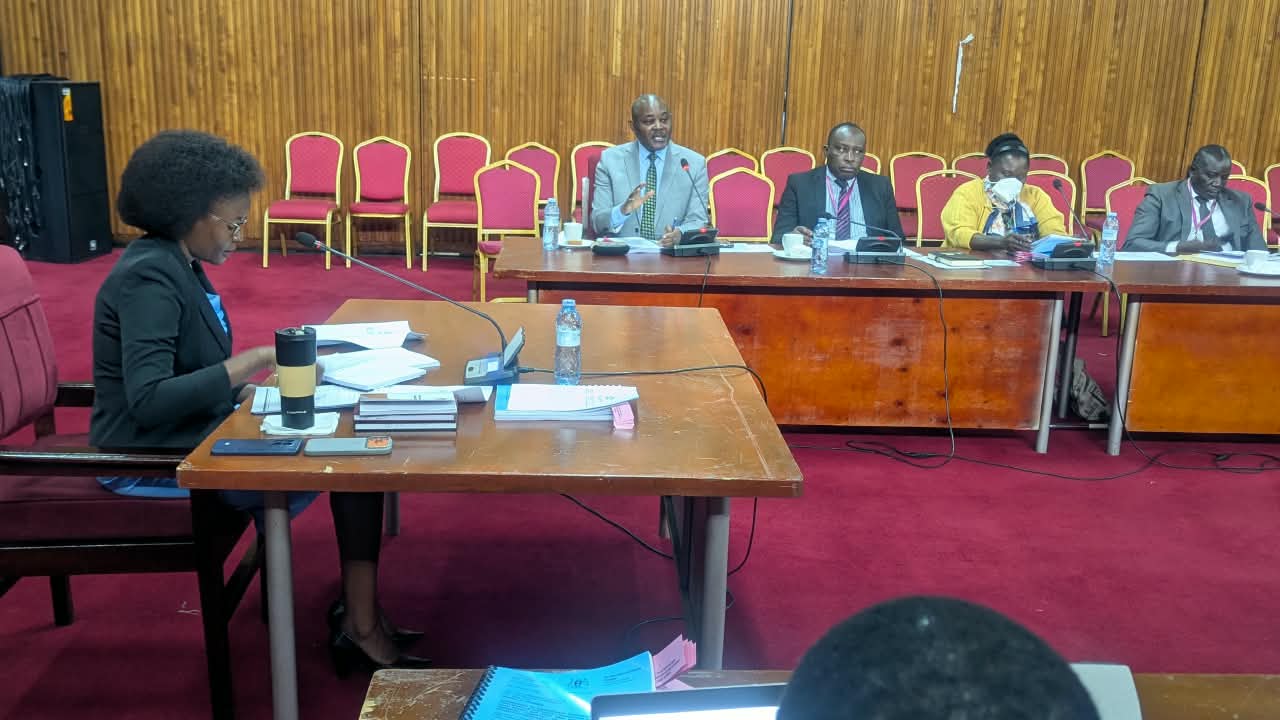
Bizibu made the remarks while appearing before Parliament’s Committee on Commissions, Statutory Authorities and State Enterprises (COSASE), chaired by Kyadondo East MP Muwada Nkunyingi, where he and other officials were questioned about the management of 20,515 properties.
He told the committee that the board has repeatedly engaged government institutions over the challenges affecting its work but has yet to secure sufficient support to effectively manage the properties.
“My staff is very few to manage all the properties belonging to this board across the country,” Bizibu told MPs.
The officials were asked to explain how the properties are being managed, how many have been sold or returned to their former owners, and what measures the board has taken to protect government interests.
The Departed Asians Property Custodian Board was established under the Assets of Departed Asians Act of 1973, following the expulsion of Asians by former president Idi Amin in 1972.
The law vested the properties left behind in the government and placed them under the board’s management.
He further disclosed that the board had faced difficulties tracing properties because of historical gaps in its records and the absence of a proper system for monitoring assets.
According to Bizibu, 19 properties have so far been sold, while 47 have been repossessed by their former owners. However, he could not provide MPs with the specific locations of the properties or a comprehensive breakdown of the transactions.
The revelations raised questions about the board’s ability to account for government assets and establish the whereabouts of properties that have changed hands over the years.
Bizibu also told MPs that when the current management took over in 2017, they found no proper books of accounts to establish how previous transactions had been conducted and how money generated from the properties had been used.
“Properties were sold, and there were no clear books of accounts to know the exact transactions made and where the funds went,” he said.
He added that the lack of proper documentation had made it difficult for the board to establish the full history of some properties and hold previous managers accountable for transactions conducted before the current team took office.
The board also cited the absence of a technical team, particularly surveyors, to help identify, inspect and establish the status of properties scattered across the country.
Bizibu said the board, which works alongside officials from the Ministry of Finance, Planning and Economic Development, the Ministry of Lands, Housing and Urban Development and other presidential appointees, lacks the technical capacity to effectively trace and monitor all the properties.
He further complained that some local governments had taken control of properties under the board’s custody and were managing them independently, using arrangements that were not necessarily in line with the board’s procedures.
Another challenge, according to Bizibu, involved former officials who allegedly continued collecting rent from tenants even after some properties had been repossessed by their former owners.
He said the current management later discovered that some of the properties had already been formally returned to former owners through letters of repossession, prompting the board to stop collecting rent from the occupants.
However, some of the former owners who reclaimed the properties have since taken the board to court over disputes arising from the management and ownership of the assets.
Parliament has previously raised concerns about the board’s incomplete property register and called for a comprehensive inventory to establish the status of assets under its management.