The Uganda AIDS Commission (UAC) has raised concern over the high HIV prevalence in several urban centres, warning that the country must strengthen its prevention efforts despite maintaining a national prevalence rate of 5.9%.
Fort Portal City has an HIV prevalence rate of 16.6%, followed by Soroti City at 12.3% and Lira City at 11.5%, according to figures presented by the commission.
The figures are significantly higher than the national prevalence rate, raising concerns about the concentration of HIV infections in some urban communities and the need to direct more resources towards prevention and treatment programmes in those areas.
Uganda’s national HIV prevalence currently stands at 5.9%, having declined from approximately 18% during the early years of the epidemic in the 1980s. However, the rate has largely stagnated in recent years, pointing to the need for renewed efforts to reduce new infections.
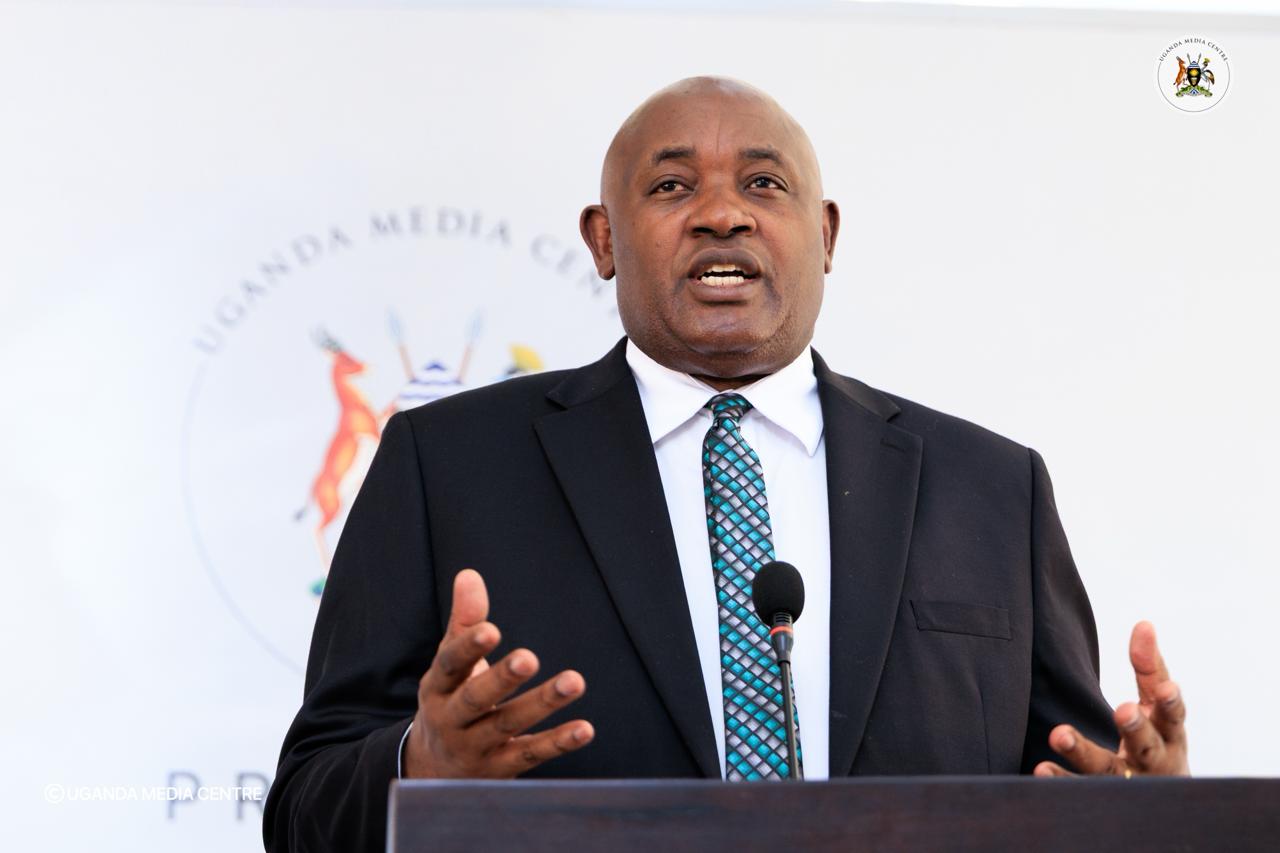
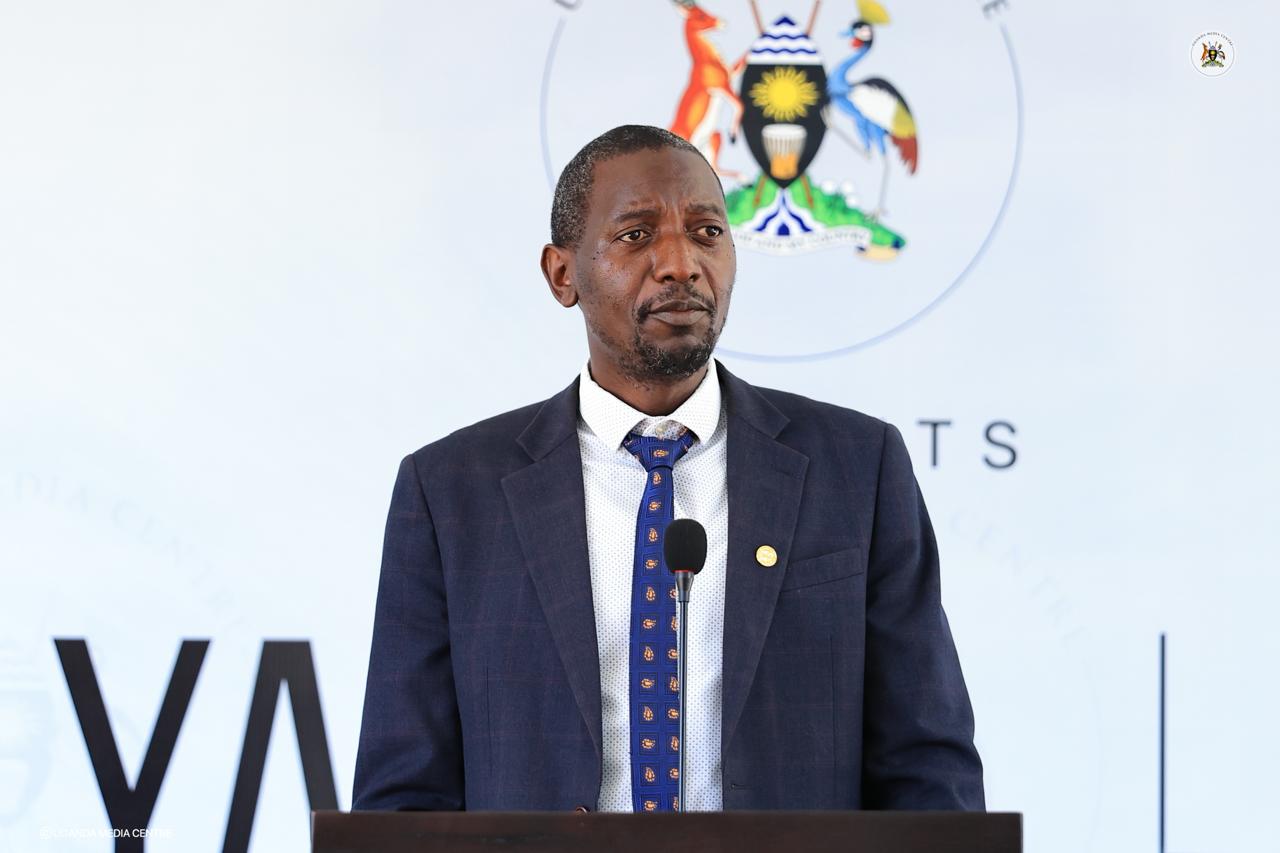
Addressing journalists at the Uganda Media Centre ahead of the 2026 National HIV and AIDS Symposium, Tom Etii, the Acting Director General of the UAC, said the high prevalence in some towns remained a major challenge in the country’s fight against the epidemic.
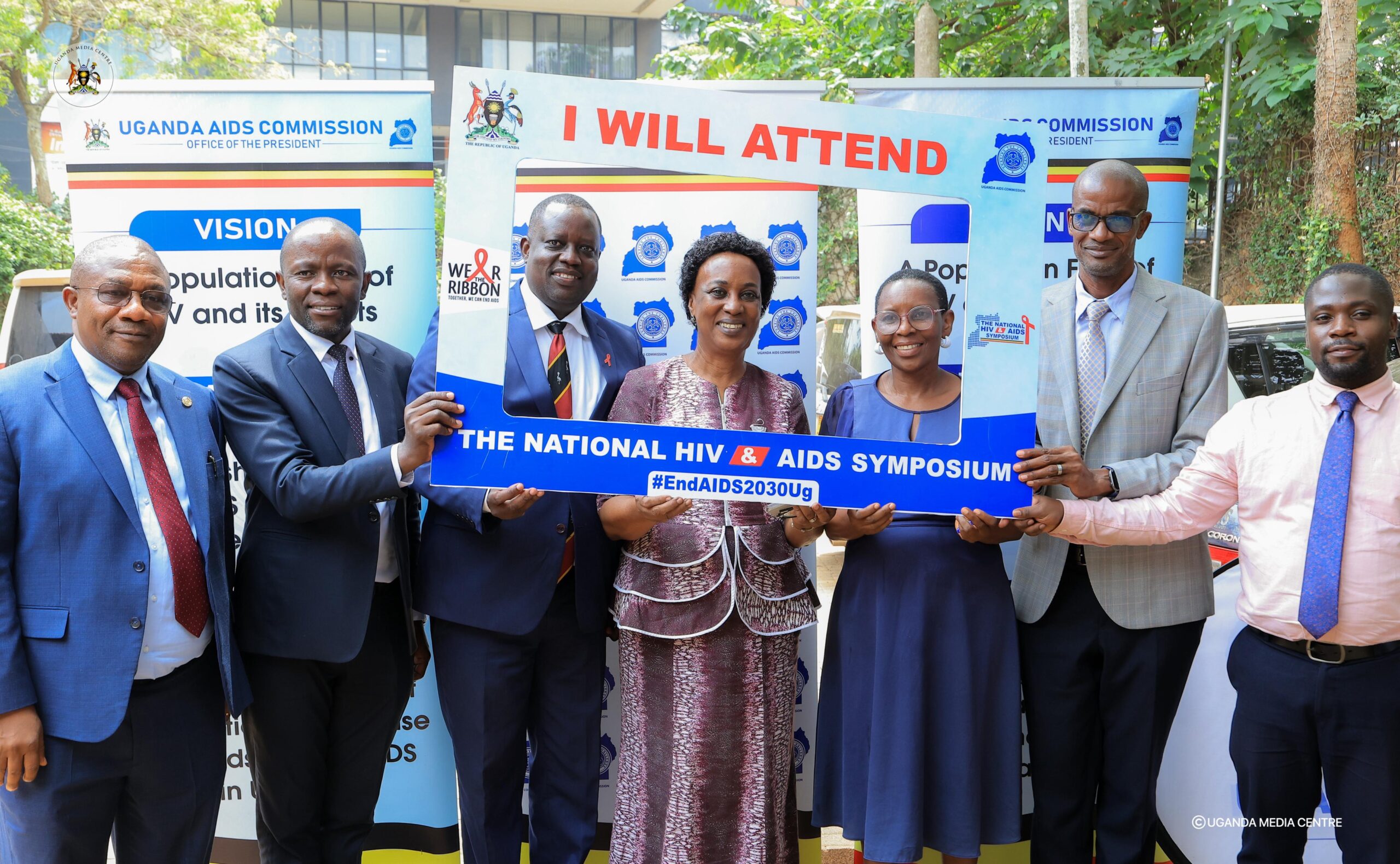
The symposium will take place from November 16 to 18 at Mbarara University of Science and Technology (MUST) under the theme, Sustainable Interventions to End AIDS as a Public Health Threat by 2030.
According to Etii, the meeting will bring together government officials, researchers, scientists, development partners and other stakeholders to assess progress in the national HIV response and identify areas requiring urgent attention.
He said discussions would focus on sustainable financing for HIV programmes, assessment of performance against national targets and strengthening interventions aimed at reducing new infections.
The symposium will also recognise the contribution of the late Ugandan musician and HIV/AIDS activist Philly Bongoley Lutaaya, who played an important role in challenging stigma and encouraging people to speak openly about HIV/AIDS.
Etii said the Uganda AIDS Commission would continue prioritising several interventions to strengthen the country’s response, including improving institutional effectiveness and ensuring that government agencies, civil society organisations and other partners work together in the fight against HIV/AIDS.
He also highlighted the need to consolidate gains in preventing mother-to-child transmission of HIV, expand access to HIV testing and treatment, and strengthen the test-and-treat approach.
Under the test-and-treat strategy, people who test positive for HIV are enrolled on antiretroviral treatment without unnecessary delays, while those who test negative are encouraged to use available prevention services.
The commission also wants to strengthen its financial sustainability to ensure that HIV prevention, testing and treatment programmes continue even as external funding becomes increasingly uncertain.
Uganda’s progress in the fight against HIV/AIDS has been supported by increased access to testing, antiretroviral treatment and public awareness campaigns.
However, the high prevalence in some urban centres and the continued occurrence of new infections remain major obstacles to achieving the country’s ambition of ending AIDS as a public health threat by 2030.
The symposium is expected to provide an opportunity for stakeholders to review existing interventions, share research findings and agree on practical measures to address the remaining gaps.