Health experts have called on Ugandans to prioritise early breast cancer detection, warning that delays in seeking medical attention continue to put patients at risk of being diagnosed when the disease is already advanced.
The call comes as Uganda joins the rest of the world to mark Breast Cancer Awareness Month in October, an annual campaign aimed at educating the public about the disease, encouraging early diagnosis and promoting access to treatment.
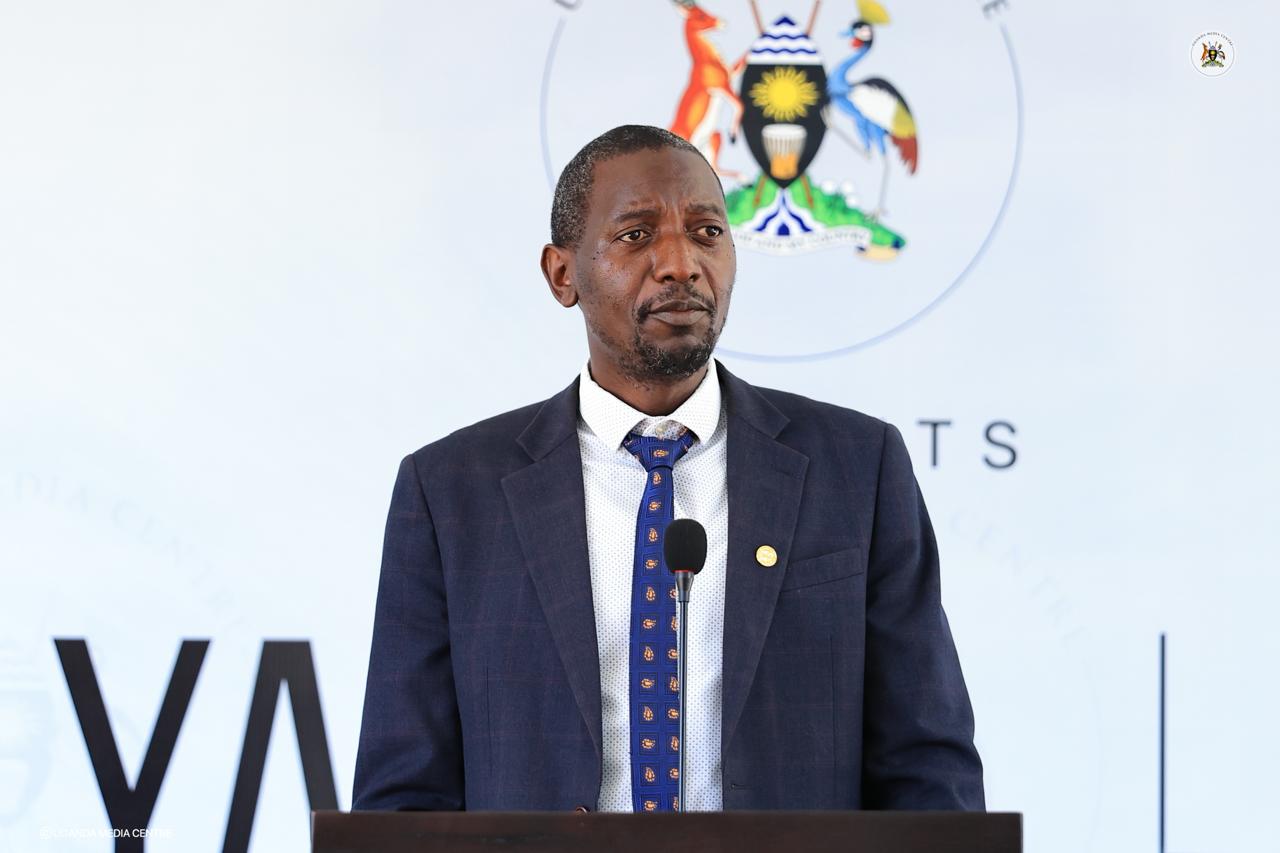
Dr James Kafeero, a physician and research fellow at the Uganda Cancer Institute (UCI), has urged both women and men to pay attention to changes in their breasts and seek medical assessment whenever they notice unusual symptoms.
Kafeero said people should not wait until a lump becomes painful or grows larger before visiting a health facility because early diagnosis can improve treatment outcomes.
He encouraged the public to become familiar with the normal appearance and feel of their breasts so they can identify changes that may require medical attention.
“Everyone should take responsibility for their breast health. If you notice a lump, swelling, unusual enlargement or any other change in the breast, seek medical attention as soon as possible,” Kafeero said.
He added that although breast cancer is much more common among women, men can also develop the disease and should not ignore unusual changes in their breast tissue.
According to the World Health Organization, approximately 0.5 to one per cent of breast cancer cases occur in men. The disease is therefore not exclusively a women’s health concern.
Breast cancer is one of the leading cancers affecting women in Uganda, ranking second after cervical cancer, according to estimates from the International Agency for Research on Cancer.
The agency’s GLOBOCAN 2022 estimates recorded about 2,999 new breast cancer cases in Uganda that year. More recent public health reporting has put the annual national burden above 4,000 cases, highlighting the need for sustained awareness, early diagnosis and improved access to care.
Kafeero said limited awareness and delays in seeking medical attention can make it difficult to identify the disease at an early stage.
He urged women who have reached menopause to remain vigilant and seek appropriate breast examinations, stressing that the risk of breast cancer increases with age.
However, he noted that younger women should also pay attention to their breast health because the disease is not limited to older people.
Medical experts advise people to seek assessment for a new breast lump, changes in breast size or shape, skin dimpling, unusual nipple discharge or a nipple that turns inward. Although these signs do not necessarily mean a person has cancer, they should be examined by a qualified health professional.
Kafeero urged mothers who are able to breastfeed to recognise its health benefits for both themselves and their babies.
He also urged the public to avoid misconceptions about breast health and to rely on medically established information rather than unverified beliefs.
Kafeero stressed that early medical assessment remains important because no single preventive measure can eliminate the risk of breast cancer.