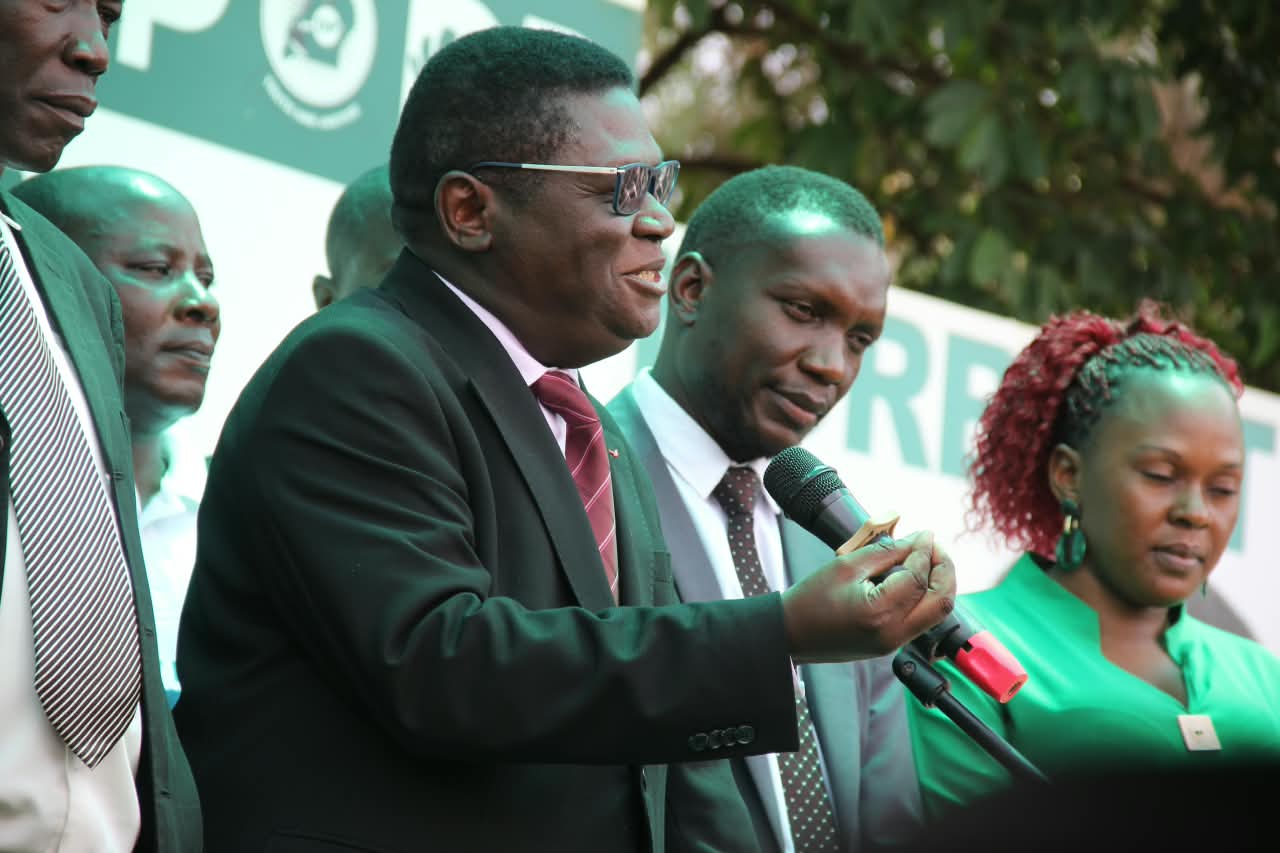
The Democratic Party (DP) president-general Norbert Mao has called on the National Resistance Movement (NRM) government to create a safe political environment in which all political players can participate freely without violence, brutality or extremism.
Mao said political competition should allow parties and candidates to campaign, mobilise supporters and present their ideas without fear for their lives.
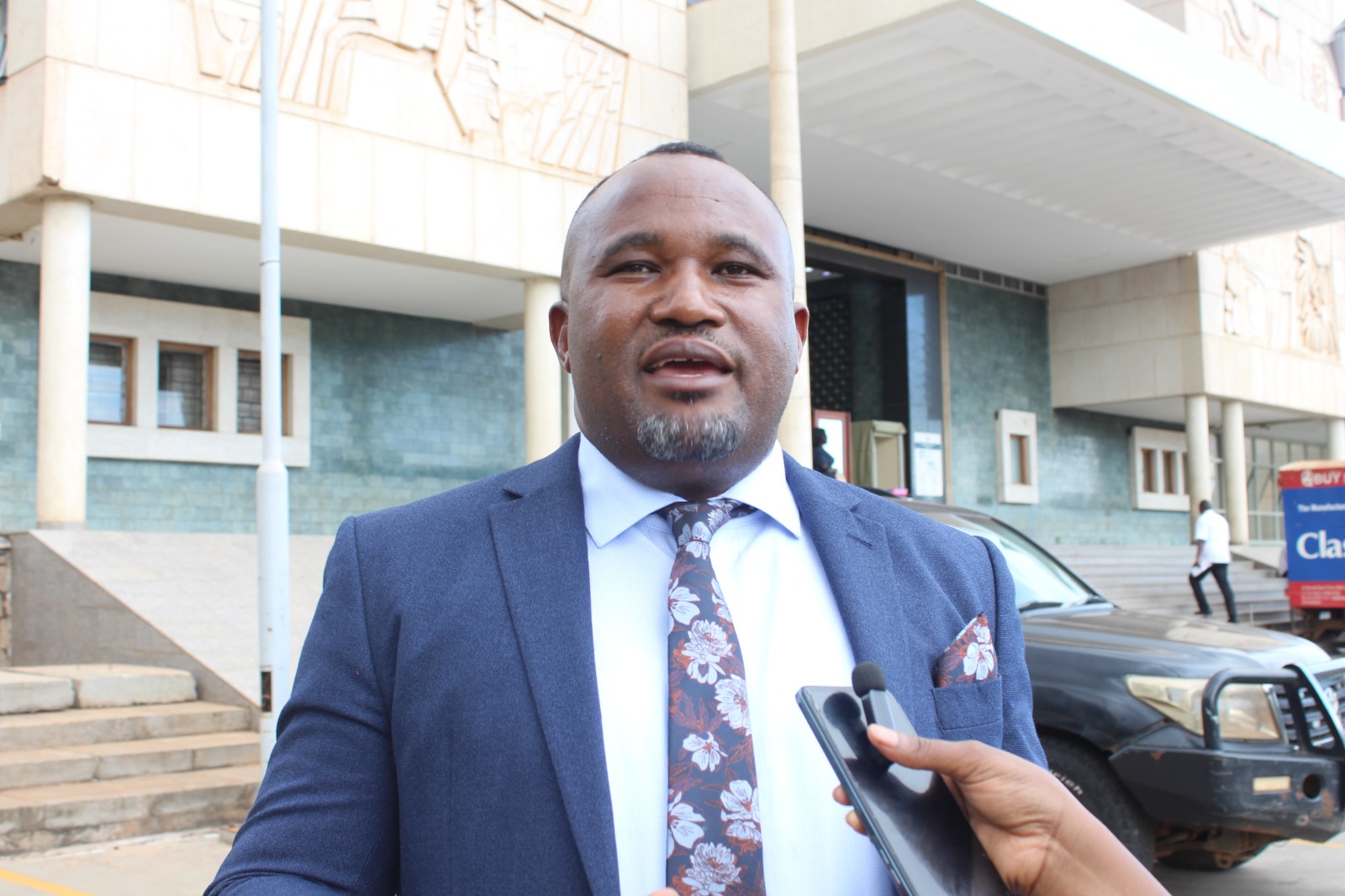
He made the remarks while addressing journalists during the party’s weekly press conference at its headquarters on Balintuma Road in Mengo, Kampala, following a period away from his regular party engagements.
Mao, who also serves as Minister of Justice and Constitutional Affairs, said political violence continues to undermine the ability of opposition parties to compete effectively.
“I want to commend the party leaders who have gone ahead to promote the party despite the existing difficulties, some of which are historical. It is very hard for a party to succeed amid political violence and extremism. You cannot be able to score while saving your life,” Mao said.
He said he understood the challenges facing opposition politicians because he had personally experienced difficulties during his previous presidential and parliamentary campaigns.
Mao called for a fair political contest in which candidates can campaign freely, and voters can make their choices without intimidation.
He also urged DP members to concentrate on rebuilding the party at the grassroots rather than relying on television appearances, media studios and the party headquarters as their main political platforms.
He asked members to strengthen party branches, identify potential candidates for the next elections and organise activities that promote truth, justice and the party’s political values.
Mao said the DP, one of Uganda’s oldest political parties, had maintained its relevance by raising issues affecting ordinary citizens, including unemployment, alleged constitutional abuses and the involvement of the military in politics.
He said the party should continue providing what he described as a sober voice in national affairs, even when political conditions make it difficult to organise and mobilise supporters.
On internal party leadership, Mao said members should recognise that winning elections was not the only measure of political success. Those who lose elections should be able to remain active in politics without fear or humiliation.
He urged party members to guide new leaders and help them grow instead of engaging in endless attacks against them.
Mao also warned against forming factions and cliques within the party, saying such divisions could weaken its structures and undermine efforts to rebuild its support.
He said he had chosen to stay away from internal political groupings because he believed time would ultimately judge the actions of individual leaders.
The DP leader further encouraged members, especially young politicians, to remain within the party and develop their political careers through its established structures.
He argued that building experience, trust, and a strong political foundation within a party was more sustainable than moving between political movements in search of quick success.
Mao expressed regret that some politicians who left the DP had struggled to maintain their political careers after joining other political formations.
“I am concerned that our party lost some good politicians and ended up losing their political careers. They are now stranded. Had they remained, they would have been re-elected. I thought I was the problem, but even where they went, they faced challenges, so they were the problem themselves,” he said.
His remarks appeared directed at former party members who left to pursue opportunities elsewhere, although he did not identify all those he had in mind.
Mao also used the press conference to advise young opposition politicians to learn from the experiences of previous political movements and leaders.
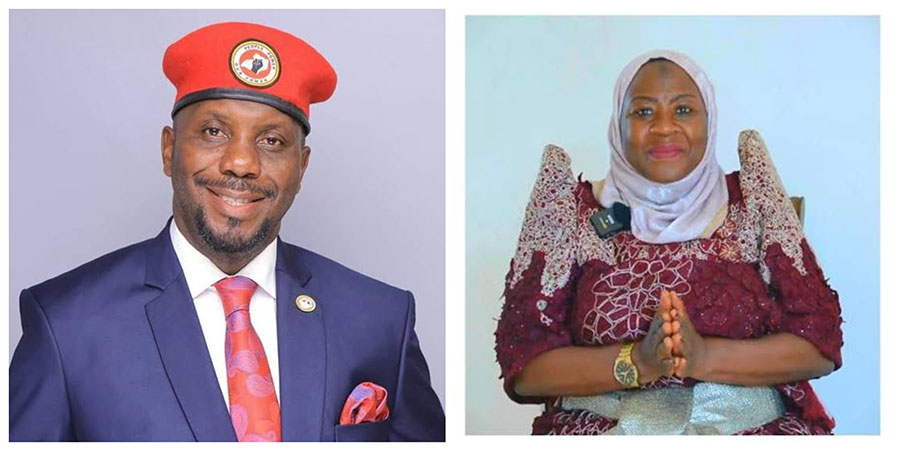
He cited National Unity Platform (NUP) leader Robert Kyagulanyi, popularly known as Bobi Wine, saying he had advised him to work under the DP umbrella rather than establish a separate political movement.
According to Mao, the DP invested close to Shs400 million in talks with Kyagulanyi in the hope that he would agree to work with the party and gain experience in running a political organisation.
Mao said he believed the engagement would help Kyagulanyi understand the demands of leading a political party, as opposed to operating a protest movement.
However, Kyagulanyi went on to build the People Power movement, which later morphed into NUP, and contested the 2021 and 2026 presidential elections.
Mao argued that political leaders needed more than popularity and the ability to mobilise crowds to build organisations capable of sustaining political competition over time.