The United States has committed to support the training of nearly 14,000 Community Health Extension Workers (CHEWs) in Uganda by 2029 as part of efforts to strengthen primary healthcare and improve the country’s ability to detect and respond to disease outbreaks.
The US has contributed approximately $5.9 million in foreign assistance towards training the workers, who are expected to help communities access basic health information, prevention services and referrals to health facilities.
In a statement issued on October 14, 2026, the US said it would support the graduation of more than 2,200 community health workers in 22 districts in the coming weeks. It will also begin training nearly 1,300 others in nine districts.
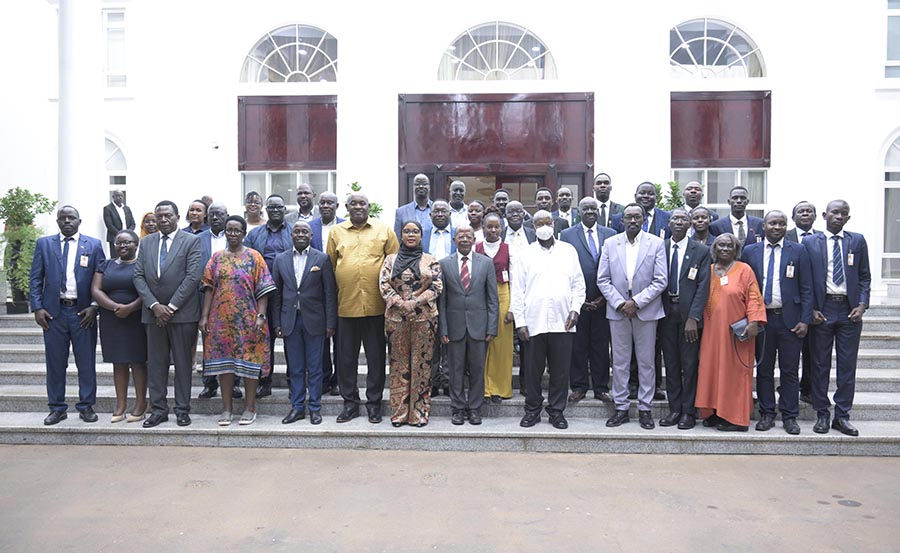
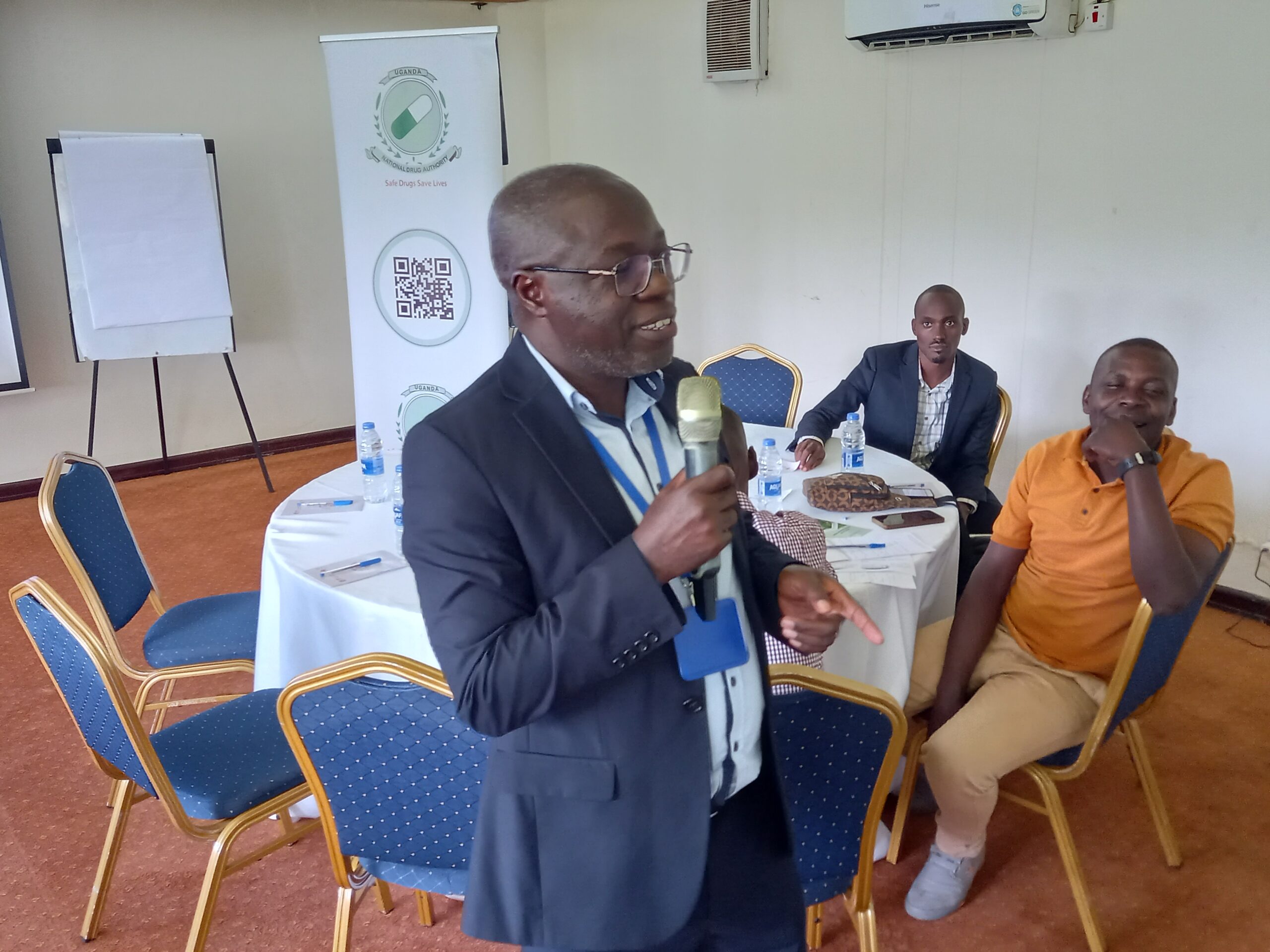
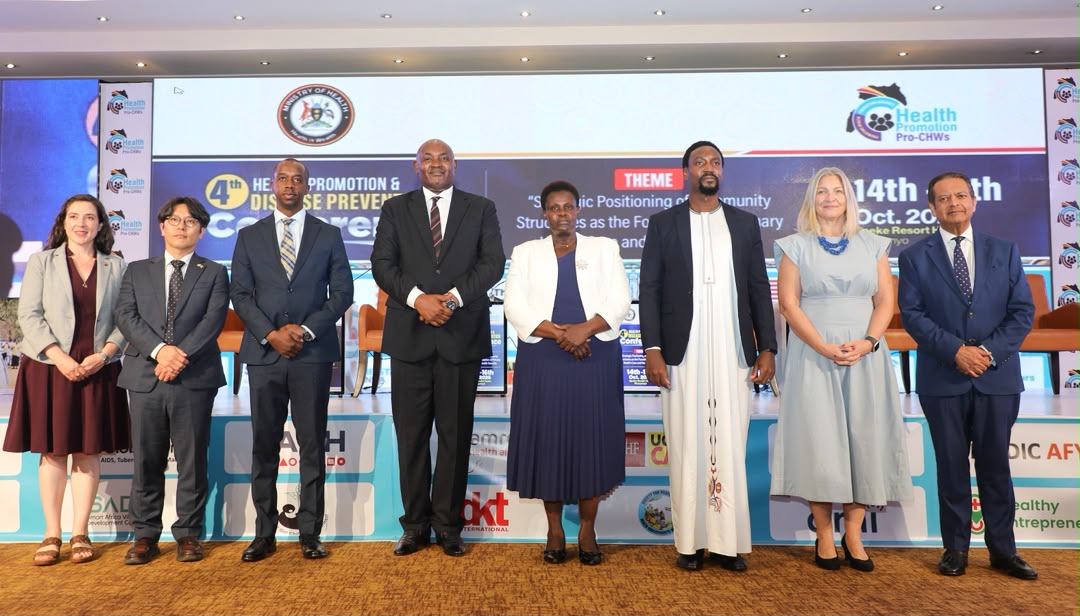
The announcement was made as the US joined the Ministry of Health to open the Fourth Health Promotion and Disease Prevention Conference in Kampala.
The conference focused on the role of community structures in strengthening primary healthcare and protecting populations against health threats.
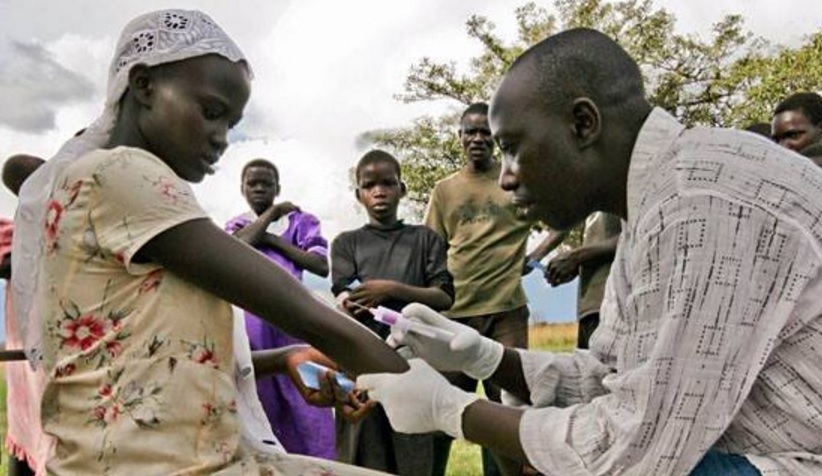
Community Health Extension Workers are intended to serve as a link between households and formal health facilities, particularly in remote and hard-to-reach areas.
They also serve communities in urban areas where access to health information and preventive services may be limited.
Their responsibilities include identifying early signs of diseases such as malaria, HIV, tuberculosis, and sickle cell disease, as well as recognising possible infectious disease outbreaks.
They are expected to refer people to health facilities for further examination and treatment before their conditions worsen. Their work can also help health authorities identify and respond to potential outbreaks before diseases spread widely.
The US said its support was part of a broader effort to strengthen Uganda’s primary healthcare system as the country gradually assumes greater responsibility for financing and managing its health services.
However, the programme will require more than training workers.
The US said effective implementation would depend on deploying trained personnel promptly, paying them consistently, providing regular supervision and increasing domestic funding.
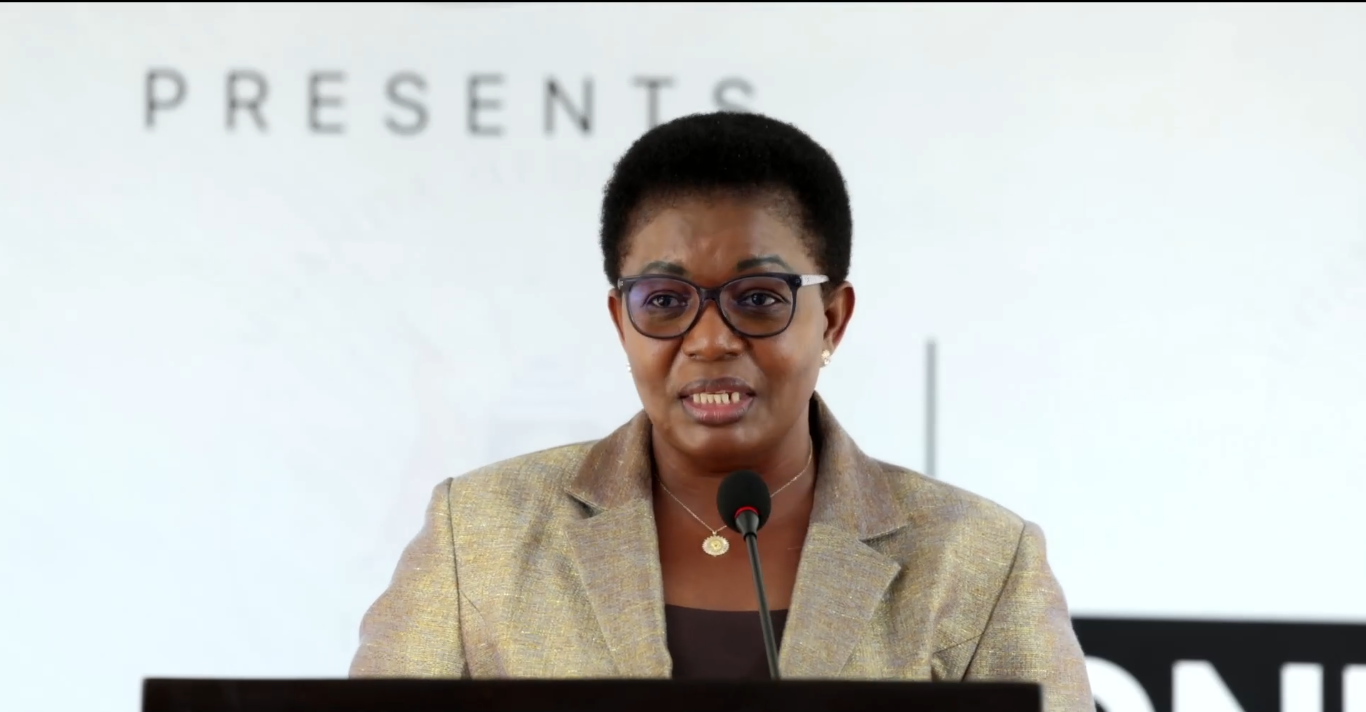
Mary Borgman, the director of the Office of Global Health Diplomacy, said community health workers played an important role in protecting families in Uganda and helping to prevent diseases from spreading across borders.
“Uganda’s community health workers are the first line of defence,” Borgman said.
She added that, under the leadership of the Ministry of Health, the workers protect families while also helping to safeguard Americans, US service members and American businesses operating abroad.
Borgman said the next step was to ensure that trained workers were deployed without unnecessary delays, paid consistently and properly supervised.
She also called for increased domestic financing so that Uganda could gradually take on a larger share of the programme’s costs.
The US said its assistance was intended to produce measurable results, with funding linked to specific milestones and the implementation of effective health interventions.
According to the statement, studies estimate that every $1 invested in community health in Uganda generates $13 in health and economic benefits. The statement did not identify the studies or provide further details on how the estimated returns were calculated.
The US also acknowledged the contribution of other development partners supporting Uganda’s community health workforce.
These include the World Bank, the Global Fund, the United Nations Children’s Fund (UNICEF), the Mastercard Foundation, Living Goods and Nama Wellness, a community-based organisation.
The involvement of these partners reflects the broader effort to build a community-level health workforce through training, technical assistance and support for health systems.
The US said the programme also advances the Trump administration’s America First Global Health Strategy, which focuses on identifying and containing disease threats at their source before they reach the United States.
The assistance forms part of a five-year, $2.3 billion bilateral Health Cooperation Memorandum of Understanding signed in December 2025 under the same strategy.
The planned training of nearly 14,000 community health workers by 2029 is expected to contribute to Uganda’s wider efforts to strengthen primary healthcare and improve the detection of diseases at community level.
For the programme to achieve its intended results, however, the workers will need to be deployed, supported and supervised, while the government increases domestic financing to sustain the services beyond external assistance.