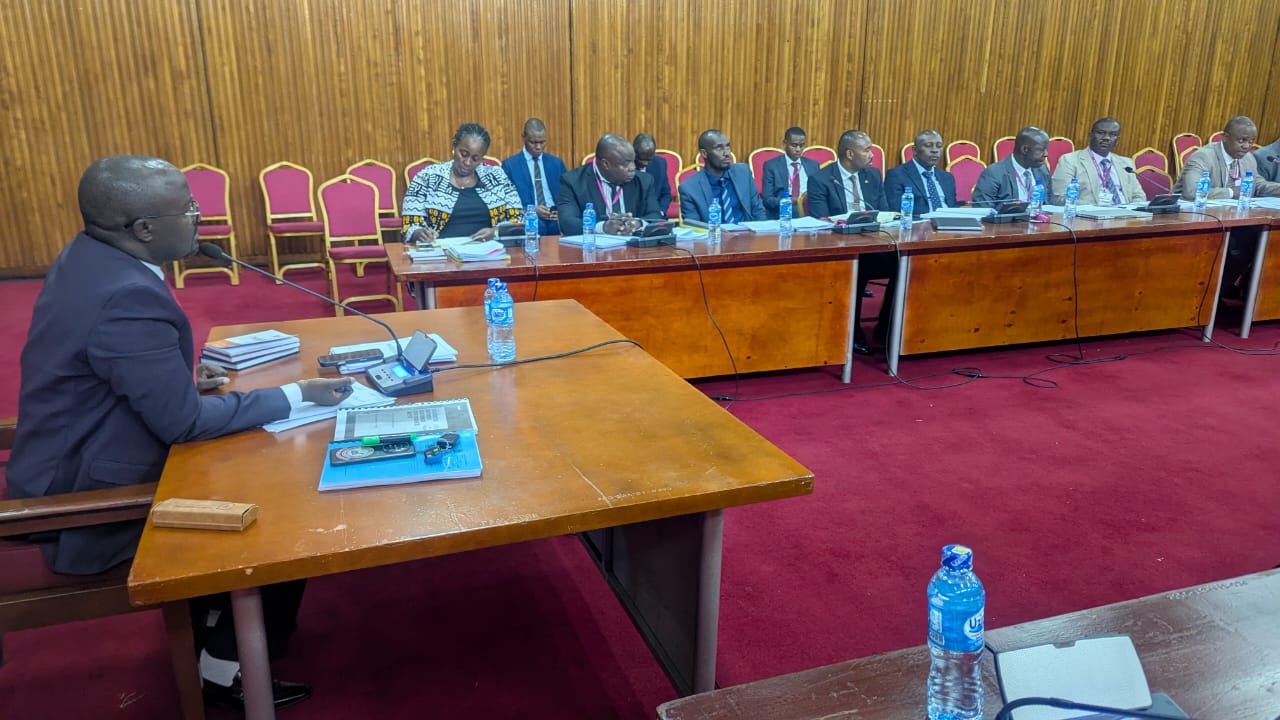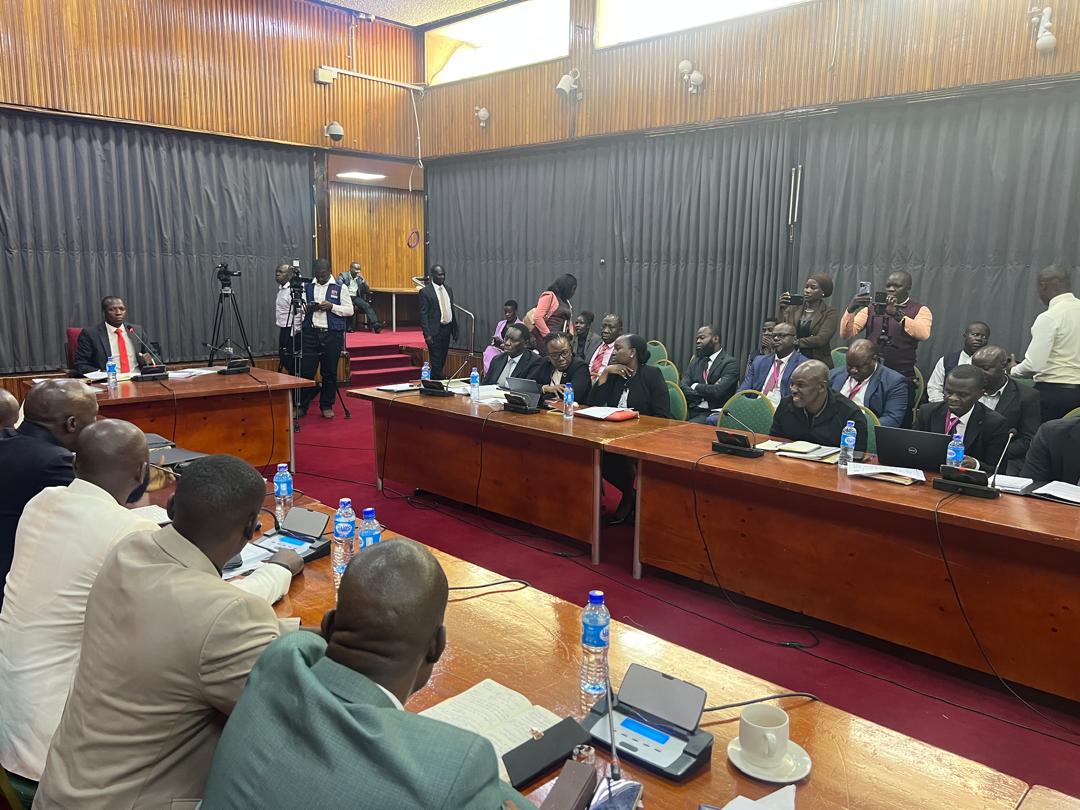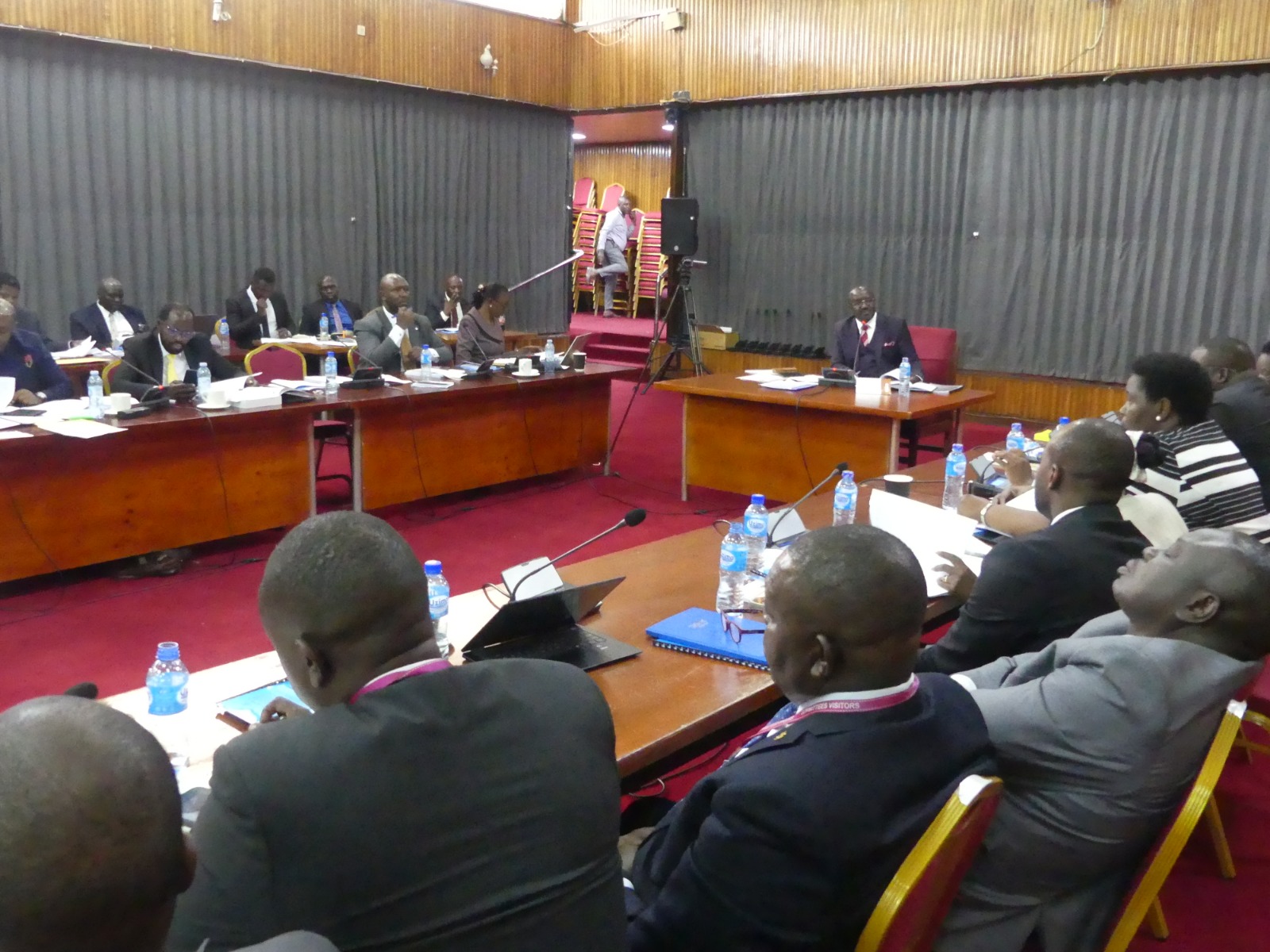
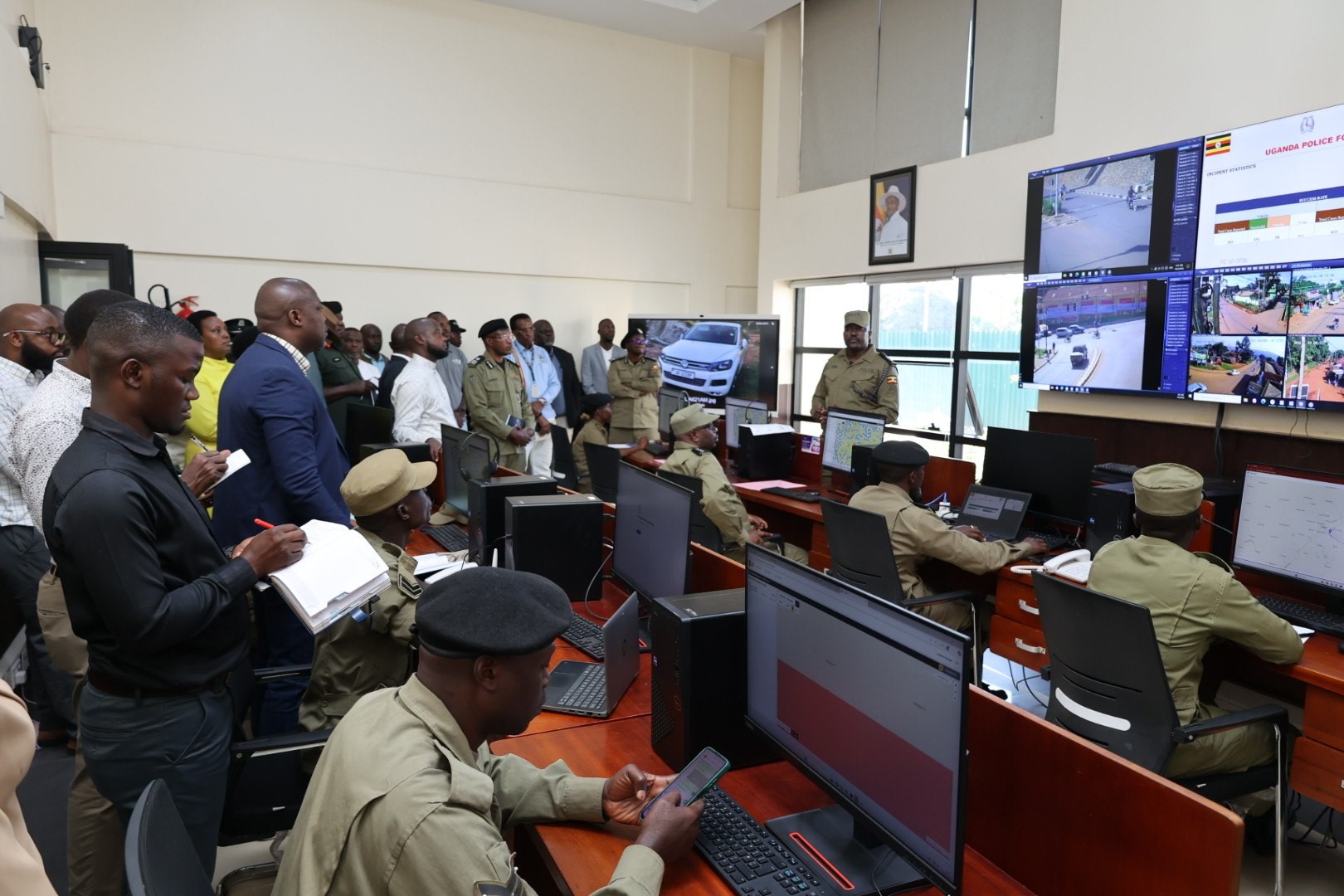
MPs on the committee on Physical Infrastructure have said they are satisfied that the digital number plate system can track vehicles, after watching police do it live at the national command centre in Naguru, Kampala.
They said the cost of the plates and the contractor’s capacity to produce them still need to be addressed.
The committee, chaired by Mwine Mpaka, visited the police command centre on Friday 2 October. It was the latest step in its scrutiny of the digital number plate project.
The project has been criticised over delays in issuing plates, production capacity, cost and poor communication with motorists.
The MPs wanted to test the system themselves rather than rely on a prepared demonstration. They arrived with the number plates of their own vehicles, hoping to catch police by surprise.
Officers tracked the vehicles and presented the MPs with their live location coordinates. Committee members said they were impressed that the system does more than register vehicles and issue plates.
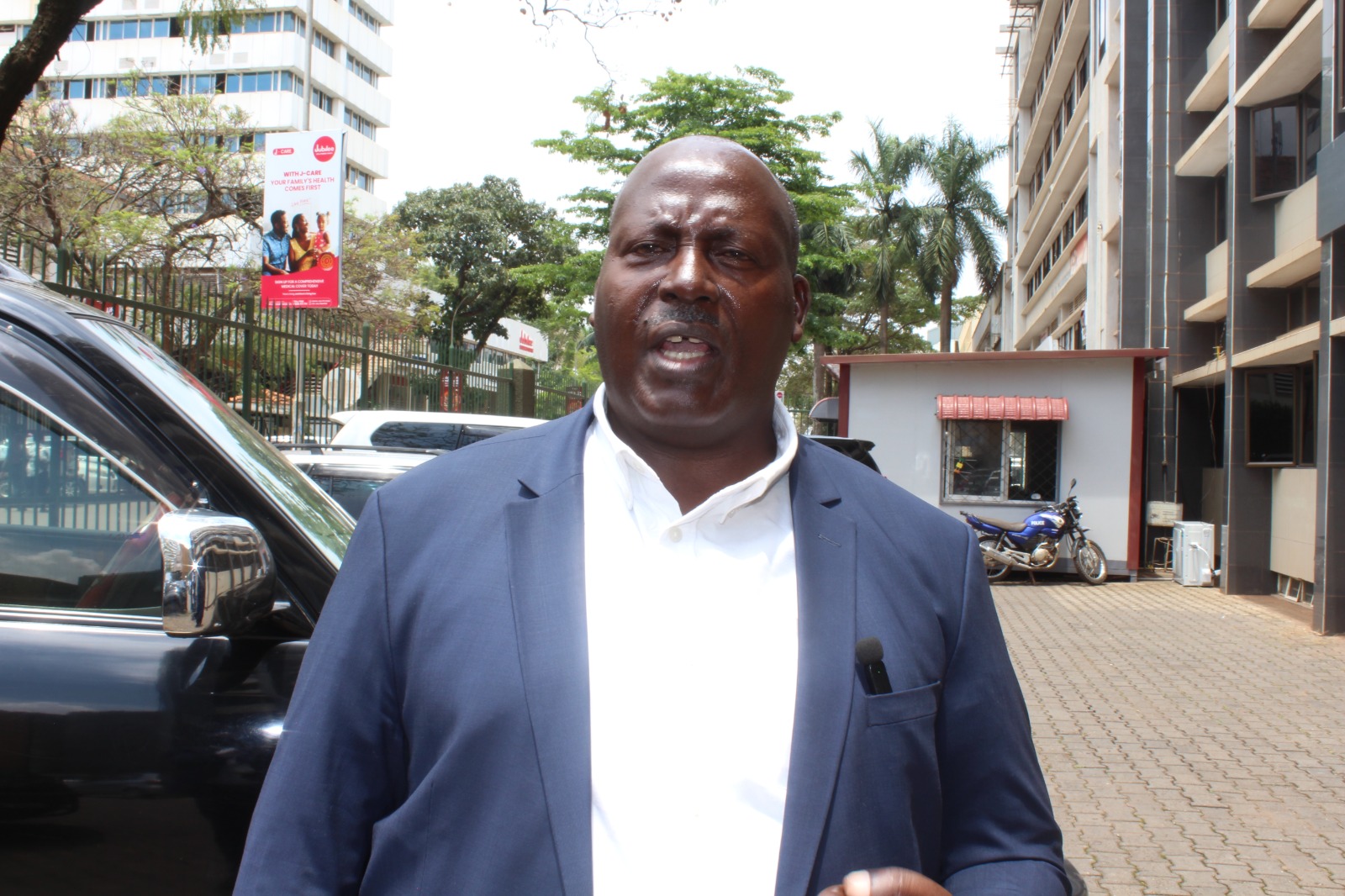
“Yes, indeed, we have established that cars and motorbikes can be tracked. The issue of digital number plates is clearly important. We just need to see how we can improve the system,” Mpaka said.
The inspector general of police, Abbas Byakagaba, led the police team that took MPs through the system. “As far as I am concerned, the system is working, and it is giving us solutions in our investigation,” he said.
Committee members also asked how the system’s data is managed and stored. Samuel Okiding, the deputy chief of defence forces and the army’s representative in Parliament, said he was satisfied that the data is stored in Uganda.
The visit followed a hearing on 28 September, when Mpaka said Parliament needed to establish whether the system’s security component was working. Stakeholders had raised concerns before the committee.
On September 30, police and government officials gave evidence to the committee. Felix Baryamwisaki, the police director of ICT, said 337 of 375 stolen vehicles had been tracked and recovered. That is a recovery rate of about 90%.
Before going to Naguru, the committee also inspected the plate production facility. MPs were shown the manufacturing process, stocks of materials, and plate production and fitting in progress.
According to figures given to the committee, the factory can produce 2,500 plate kits a day, or 50,000 a month. It employs more than 300 Ugandans, and the project supports more than 900 other jobs in related industries.
Officials said 80% of the work is done locally, and described the plant as the first full-cycle number plate factory in East Africa.
Officials also told the committee that the backlog of plates has been cleared and that registration and fitting times have fallen sharply.
They said the focus is now on closer cooperation between the institutions involved, better police procedures and clearer communication with motorists.
“One thing for sure is, the whole country needs the digital number plate system. As a committee, we are looking at the cost and the contractor’s capacity. Other than that, no one is against the project,” Mpaka said.