
The National Identification Number (NIN) will become the tax identification number for individual taxpayers under a new government system aimed at improving taxpayer identification, service delivery, and domestic revenue collection.
The transition follows a Cabinet decision announced on September 1, 2026, approving the use of NINs issued by the National Identification and Registration Authority (NIRA) as the primary tax identifier for individuals.
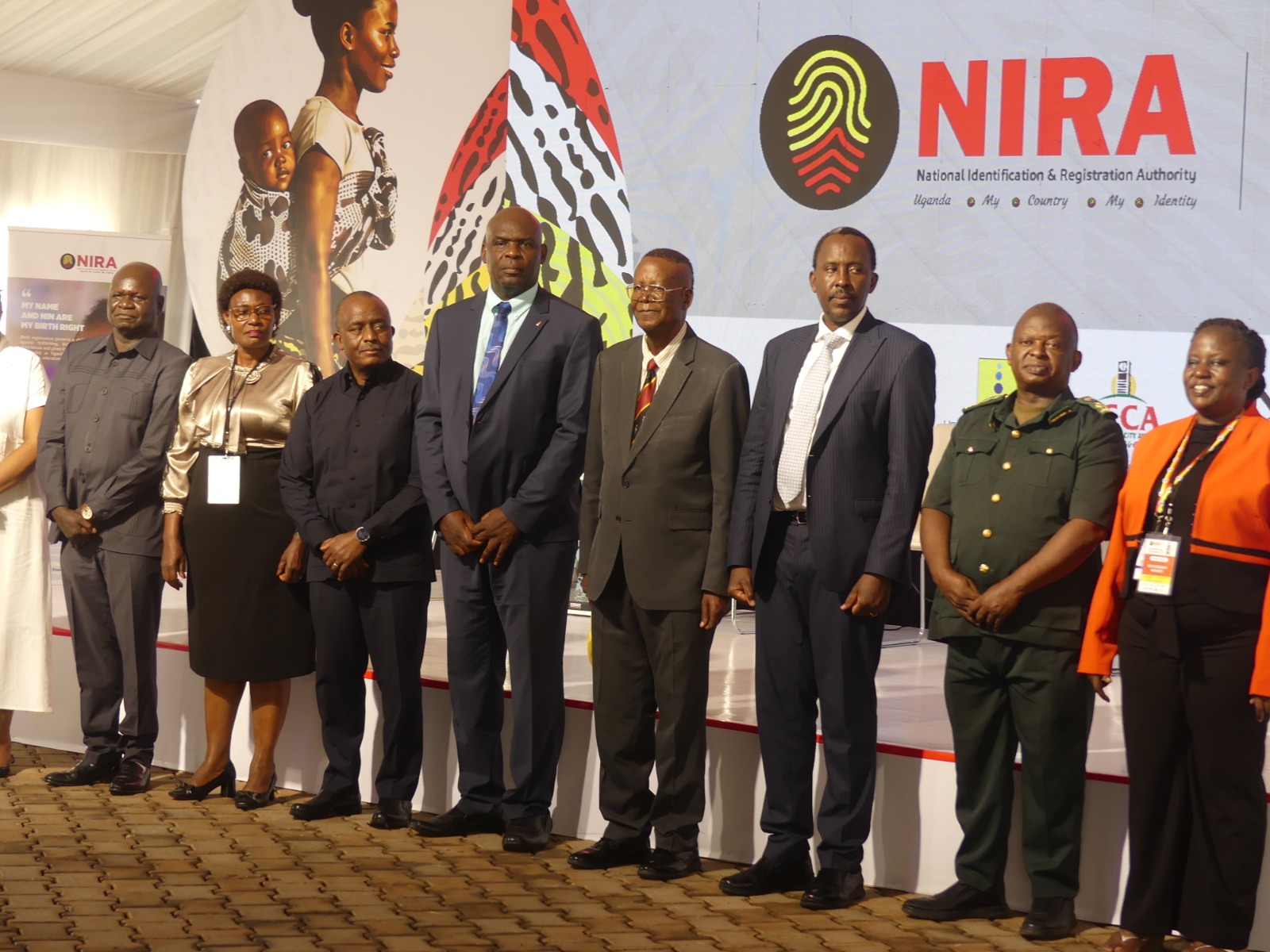
The system was highlighted on September 29 at the launch of the My Identity Expo and Symposium 2026 at the Kololo Ceremonial Grounds in Kampala.
The event brought together Uganda Revenue Authority (URA) Commissioner General John R. Musinguzi Rujoki, Minister of Internal Affairs Prof. Ephraim Kamuntu, and NIRA Executive Director Rosemary Kisembo, among other officials.
Musinguzi said the move would help the government create a more reliable link between individuals and their tax obligations by using the unique national identification number.
He said the previous TIN system allowed some individuals to hold multiple TINs, making it difficult for URA to track their tax obligations.
“There is a transition from TINs to NINs. The reason why we are doing so is that people have been dodging paying taxes. You would find one person with 10 TINs,” Musinguzi said.
He said a person could previously close one TIN and obtain another, making it difficult for URA to establish that the different numbers belonged to the same individual.
Under the new arrangement, the NIN will provide a single identity that can be used to link an individual to their tax records.
Musinguzi said proper identification was important to taxation and other government services because it would help government know who it was dealing with.
“There is no government that can effectively serve its people without proper registration, without proper identification,” he said.
The reform is also expected to reduce duplicate taxpayer records and improve the accuracy of information held by government agencies.
URA says the integration will make it easier for taxpayers to access services such as filing tax returns, conducting land transactions and obtaining tax clearance certificates. It is also expected to improve the authority’s ability to identify economic activity and reduce revenue leakage.
However, the change does not mean that every Ugandan who has a NIN automatically becomes a taxpayer.
URA has clarified that the NIN will serve as the tax identifier for individuals who are required to register for tax. Companies and other non-individual entities will instead use their Entity Registration Number or Business Registration Number as their tax identifier.
The transition also does not immediately cancel existing TINs.
According to URA, taxpayers will retain their TINs, but from January 1, 2027, those whose records have been updated will access their tax accounts using their NIN or the applicable entity registration number.
URA has already started mapping taxpayers’ NINs to their existing TIN records.
Taxpayers can update their details through URA service centres, the URA web portal, or through direct engagements initiated by the authority.
URA has also made NIN updates mandatory for Ugandan taxpayers who have not yet updated their records when accessing online services.
Speaking at the event, Kisembo said the integration of the national identification system with other government systems would make it easier for Ugandans to access services.
She said a single, reliable identity would support services that require verification of a person’s identity, including financial and other public services.
NIRA has registered more than 35 million Ugandans through the recent mass enrolment and renewal exercise, according to available reporting on the progress of the programme.
Kamuntu urged NIRA to continue with public awareness campaigns so that Ugandans understand the importance of obtaining national identity cards and using the services linked to them.
He said access to a national identity card was important because it enables citizens to obtain other documents and services more easily.