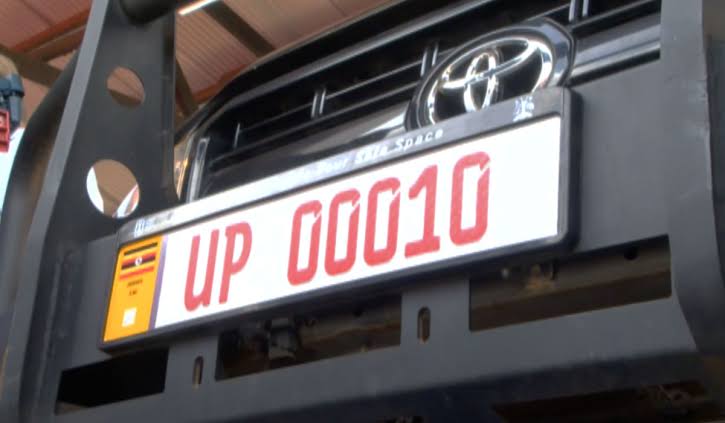
MPs have questioned the government contract awarded to Joint Stock Global Security to provide digital number plates, with concerns raised over delays in issuing plates, the cost of the project and the company’s ability to deliver the promised tracking system.
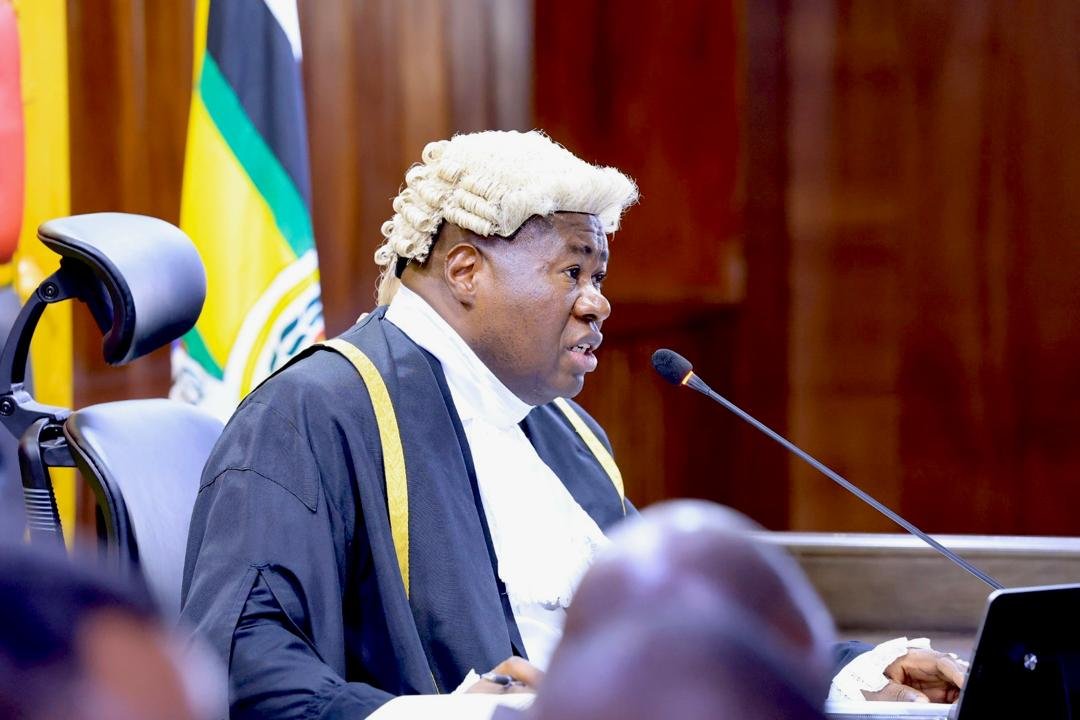
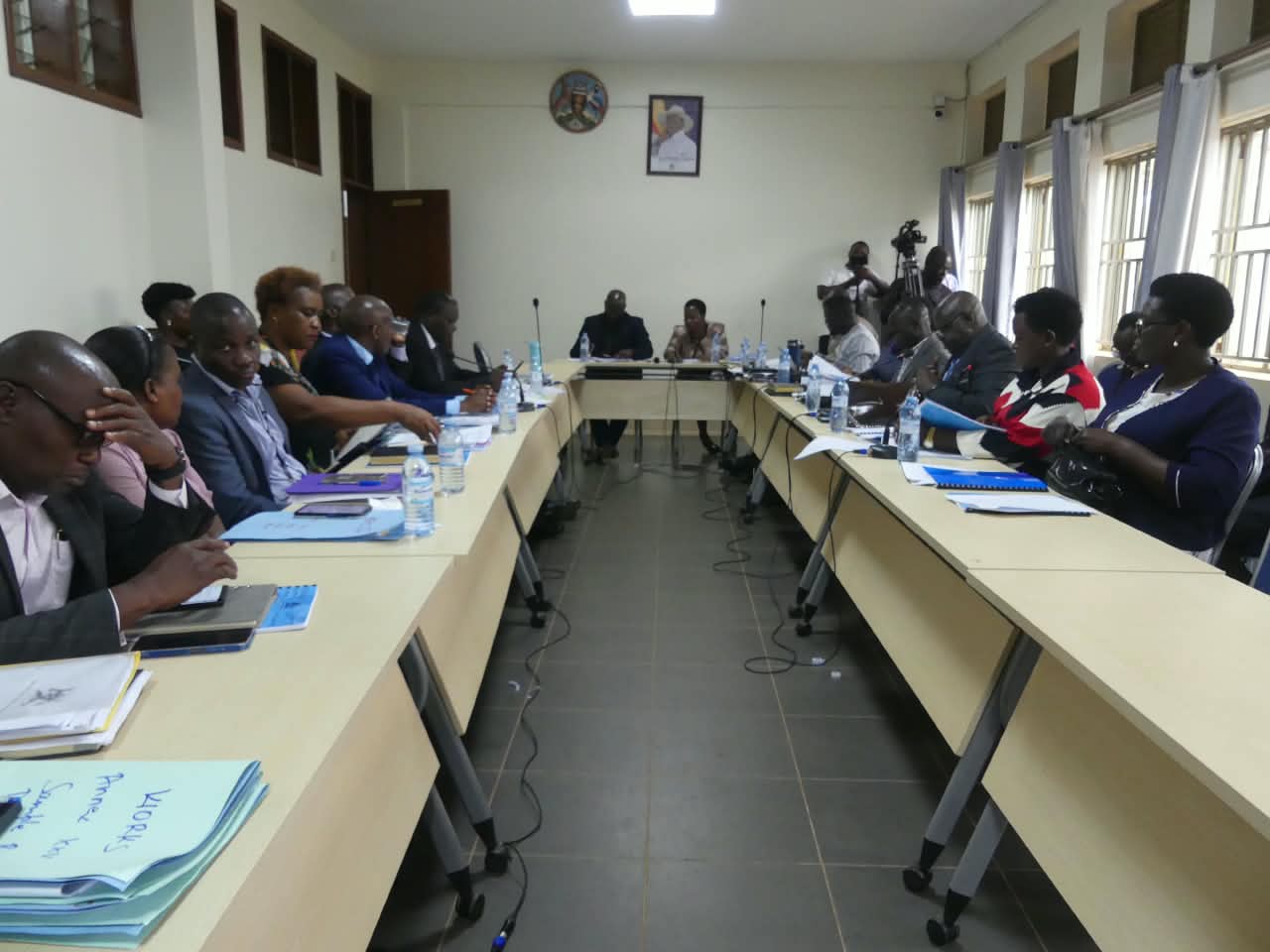
The concerns were raised before Parliament’s Physical Infrastructure Committee, chaired by Mwine Mpaka, as the committee continued investigating how Joint Stock Global Security was selected and contracted to produce and issue digital number plates in Uganda.
The committee first heard from officials of the Uganda Manufacturers Association (UMA), who questioned the role given to the company and its impact on local manufacturers.
Allan Ssenyondwa, the Director of Policy Analysis at UMA, told the committee that the company had delayed the production and issuance of digital number plates, leaving many motorists waiting for long periods after making payments.
Ssenyondwa said UMA had received complaints from Ugandans who had waited for more than a year without receiving their number plates.
He said the project had also affected local manufacturers, particularly workers who were previously employed by TUMPECO, a company that had been involved in producing number plates.
“This company has not only made Ugandans wait for long periods, but has also caused many Ugandans to lose jobs, especially those who worked with TUMPECO, which initially produced the number plates,” Ssenyondwa said.
He also raised concerns about what he described as a monopoly in the production of number plates, saying this could cause financial losses to both Ugandan businesses and the government.
The committee later heard from the Transport Union Alliance, which also criticised the implementation of the digital number plate project.
Frank Mawejje, the chairperson of the Transport Union Alliance, told MPs that the introduction of digital number plates had created financial difficulties for some transport operators.
Mawejje also questioned the tracking technology attached to the digital number plates, particularly its ability to help recover stolen motorcycles.
He said boda boda riders had initially been told that the digital number plates would make it possible to track stolen motorcycles.
“At first, the company convinced boda boda riders that in case their motorcycles were stolen, the digital number plates could be used to trace them. But in reality, the system is not working,” Mawejje said.
He claimed that several boda boda riders had reported stolen motorcycles and attempted to use the system to trace them but had not received the expected assistance.
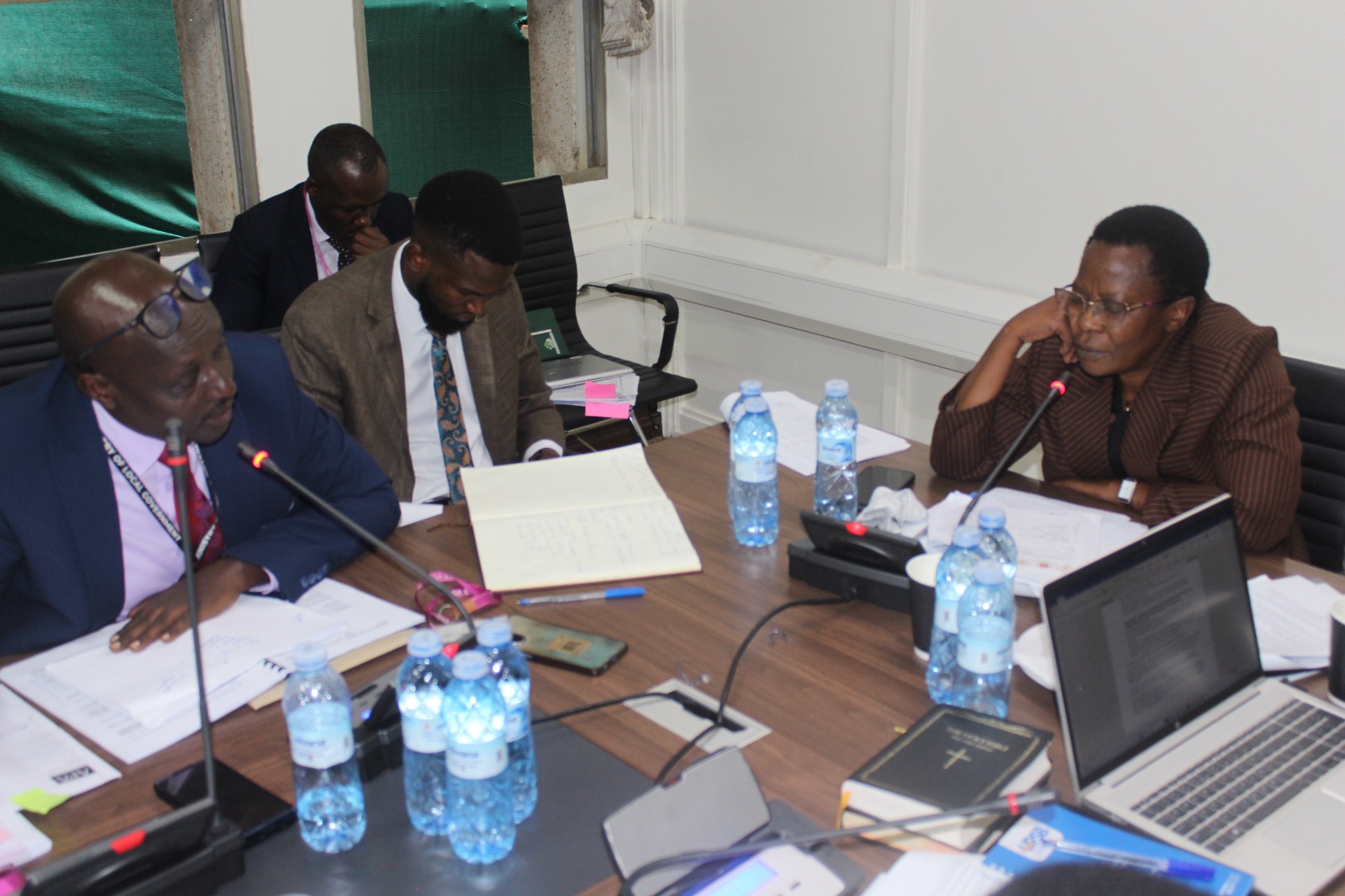
The committee then questioned officials from Joint Stock Global Security about the company’s role in the project.
Damir Makhmutor, the company’s project manager, told the committee that the company’s original role was mainly to provide software to the Ministry of Works and Transport before it became involved in the production and processing of digital number plates.
Makhmutor said the company currently produces an average of 1,500 number plates a day.
The committee also pressed the company over its contract with the government.
During his presentation, Makhmutor initially declined to provide the committee with a copy of the contract between Joint Stock Global Security and the government.
However, after Mpaka referred to the powers and rules governing parliamentary committees, including their authority to obtain documents relevant to their investigations, Makhmutor agreed to provide the contract.
Makhmutor also told the committee that the government had committed more than Shs158 billion in additional funding towards completion of the project.
Mpaka questioned the company about the sharp increase in the cost of number plates.
He asked how the cost of obtaining the previous number plates had risen from about Shs137,000 to Shs714,000 under the new digital number plate system.
The committee also heard from officials of the Uganda Revenue Authority (URA), who explained the revenue implications of the project.
URA officials said the introduction of the digital number plates had increased the taxes collected on imports, particularly vehicles and motorcycles processed through bonded facilities.
However, they told the committee that they were still dealing with a number of vehicles that had remained without number plates because of delays in the production and issuance of the plates.
The committee also raised questions about the financial history of Joint Stock Global Security.
MPs said information presented to them indicated that the company had faced debts in different countries and that reports suggested it may have been experiencing financial difficulties, including claims that it was bankrupt by the time it entered into the Ugandan contract.
Makhmutor rejected the allegations about the company’s financial status and disputed claims that it was bankrupt when the contract was signed.