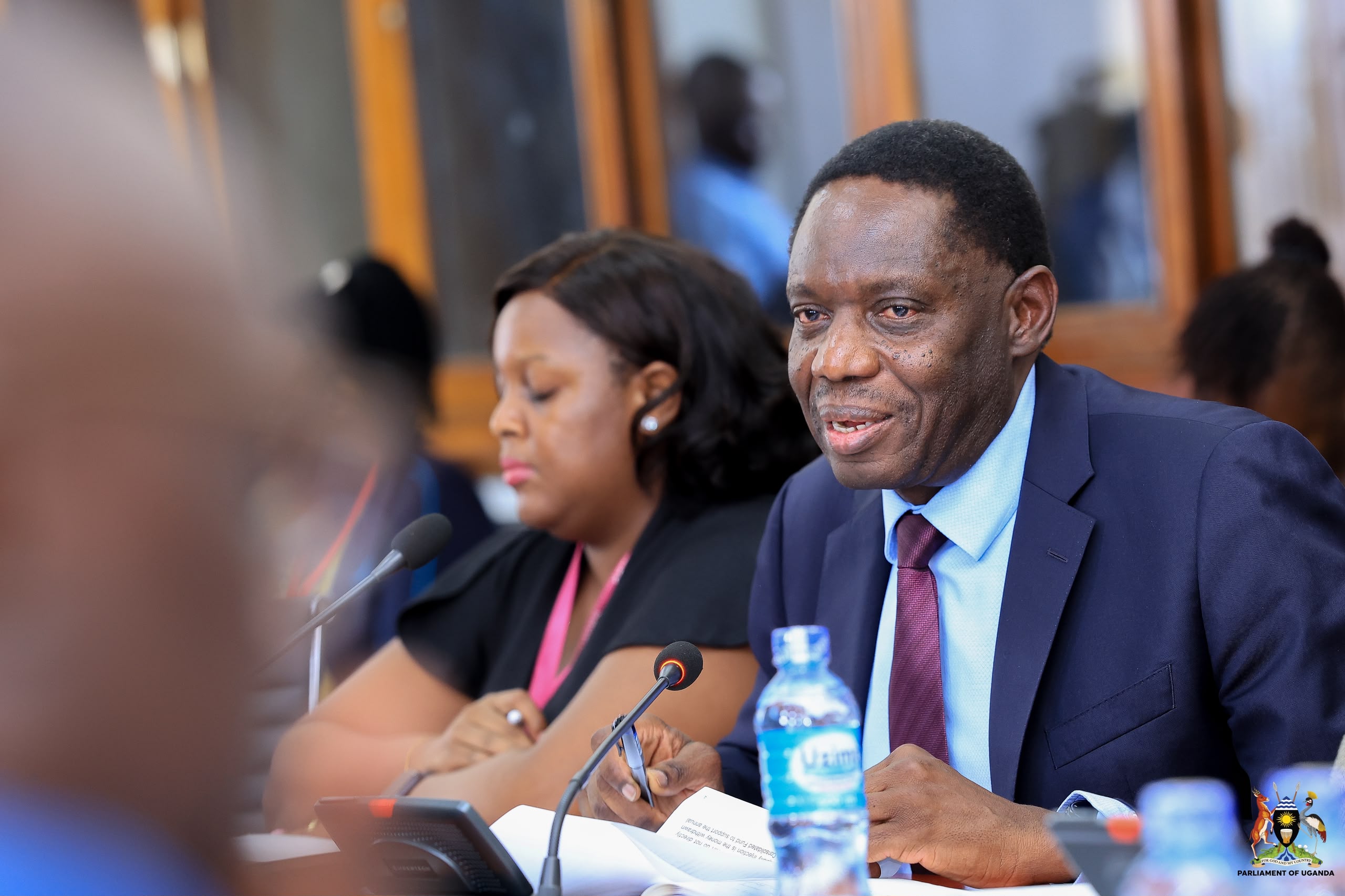
Bank of Uganda Governor Dr Michael Atingi-Ego has urged government to exercise greater fiscal discipline when planning and implementing public expenditure, warning that spending outside the approved budget could undermine efforts to maintain economic stability.
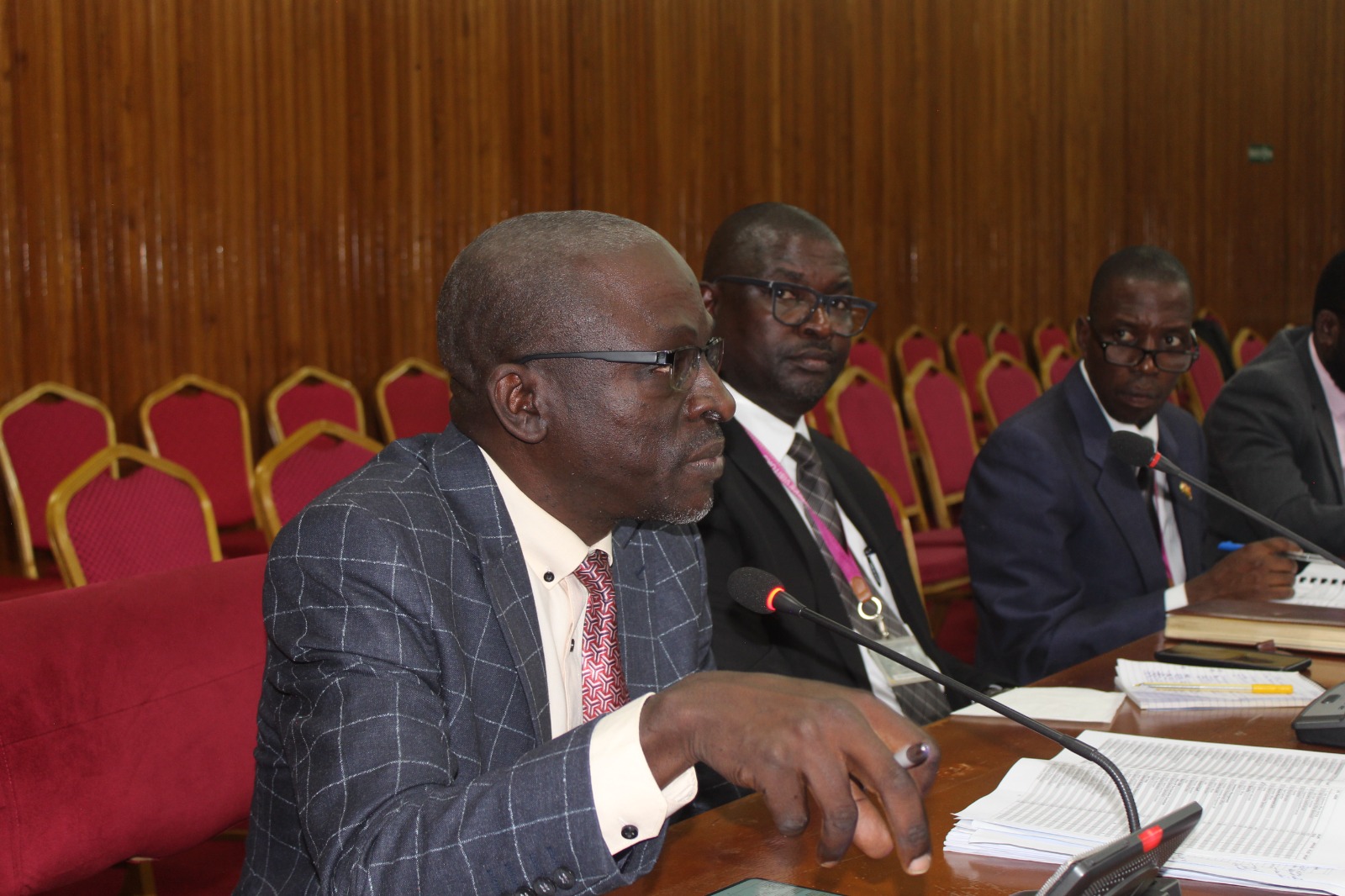
Atingi-Ego made the call while appearing before Parliament’s Budget committee to give the central bank’s views on the proposed Charter of Fiscal Responsibility for the financial years 2026/27 to 2030/31.
The charter is intended to guide government on how it manages public finances over the five-year period. It covers issues such as public debt, domestic financing, government borrowing, petroleum revenues, inflation and foreign exchange reserves.
Atingi-Ego told MPs that strict control of expenditure would be necessary if the charter is to achieve its objectives.
“If you don’t have discipline in government expenditure, it will be difficult to implement the proposed charter,” he said.
The governor warned that unnecessary expenditure on programmes outside the approved national budget could put pressure on the economy and make it harder for the government and Bank of Uganda to use fiscal and monetary measures to maintain stability.
He proposed that the charter should be reviewed annually to allow government to respond to unforeseen and emerging economic risks.
The proposal came as MPs raised questions about how the government plans to finance development projects and manage risks during the five-year period.
Committee chairman Gabriel Okumu, the MP for Okoro County in Zombo District, questioned the apparent exclusion of external borrowing for development projects under the proposed framework. Parliament’s records identify Okumu as the MP for Okoro County.
Atingi-Ego explained that development projects, including major infrastructure such as roads, bridges and dams, would continue to be financed through concessional borrowing where appropriate.
He said the central bank was also concerned about the impact of public borrowing on the country’s financial position, particularly foreign exchange reserves and debt servicing.
The management of oil revenues also featured prominently during the committee hearing.
Bukoto Central MP Richard Ssebamala asked about delays in receiving oil revenues and how the funds would be managed once they begin flowing into government coffers.
Atingi-Ego said Bank of Uganda had incorporated oil revenue management into its monetary and macroeconomic planning. He attributed the delay in some oil-related revenues to shipping challenges.
The governor said the central bank would continue working with government to ensure petroleum revenues are managed in a way that supports economic stability.
The issue of external economic shocks was also raised by MPs, with Kigulu County North MP Samuel Kungu Bamuteeze asking what measures could be used to protect Uganda from shocks such as conflicts in the Middle East.
Parliament records identify Kungu as the MP for Kigulu County North in Iganga District.
Atingi-Ego said Bank of Uganda has monetary policy tools that can be used to respond to economic shocks.
He cited the Central Bank Rate as one of the instruments available to the central bank to manage inflation and support financial stability.
He said the bank used similar monetary policy measures during the Covid-19 period and would remain ready to respond to future shocks.
The governor also linked the country’s debt-servicing pressures to the strength of its financial and foreign exchange reserves.
He urged government to intensify domestic resource mobilisation so that more development expenditure can be financed from locally generated resources rather than relying heavily on borrowing.
“The more resources we mobilise, the more we can finance some of these development projects without putting additional pressure on borrowing,” Atingi-Ego told MPs.
The committee also raised concerns about economic stability in 2031, when Uganda is expected to hold another general election.
Atingi-Ego said Bank of Uganda, working together with the ministry of Finance, Planning and Economic Development, would continue to pursue policies aimed at maintaining economic stability, assuming other conditions remain unchanged.
It also addresses the monetary implications of investments made through the Petroleum Revenue Investment Reserve.
The Ministry of Finance has identified fiscal consolidation, expenditure efficiency, fiscal discipline and value for money as important elements of the government’s medium-term fiscal strategy.
The charter is being introduced as Uganda seeks to balance increased spending on infrastructure and other development priorities with the need to keep debt and fiscal deficits under control.
Parliament’s own assessment of the fiscal framework has previously raised concerns about Uganda’s ability to consistently meet fiscal benchmarks, including targets for the fiscal deficit, debt and domestic interest payments.
The proposed framework therefore places emphasis on prudent borrowing, responsible management of petroleum revenues, adequate reserves and greater transparency around fiscal risks.
The broader macro-fiscal framework is expected to remain credible if government proceeds with its planned fiscal consolidation, keeps domestic borrowing within market capacity, manages oil revenues prudently and provides clear information about emerging fiscal risks.