National Housing has been ordered to pay Johnson Kwesigabo, its former tenant on Buganda Road flats, Shs141 million after the court discovered that the company kept money that was meant to be refunded to him, even after the government had paid a subsidy on the purchase of his flat.
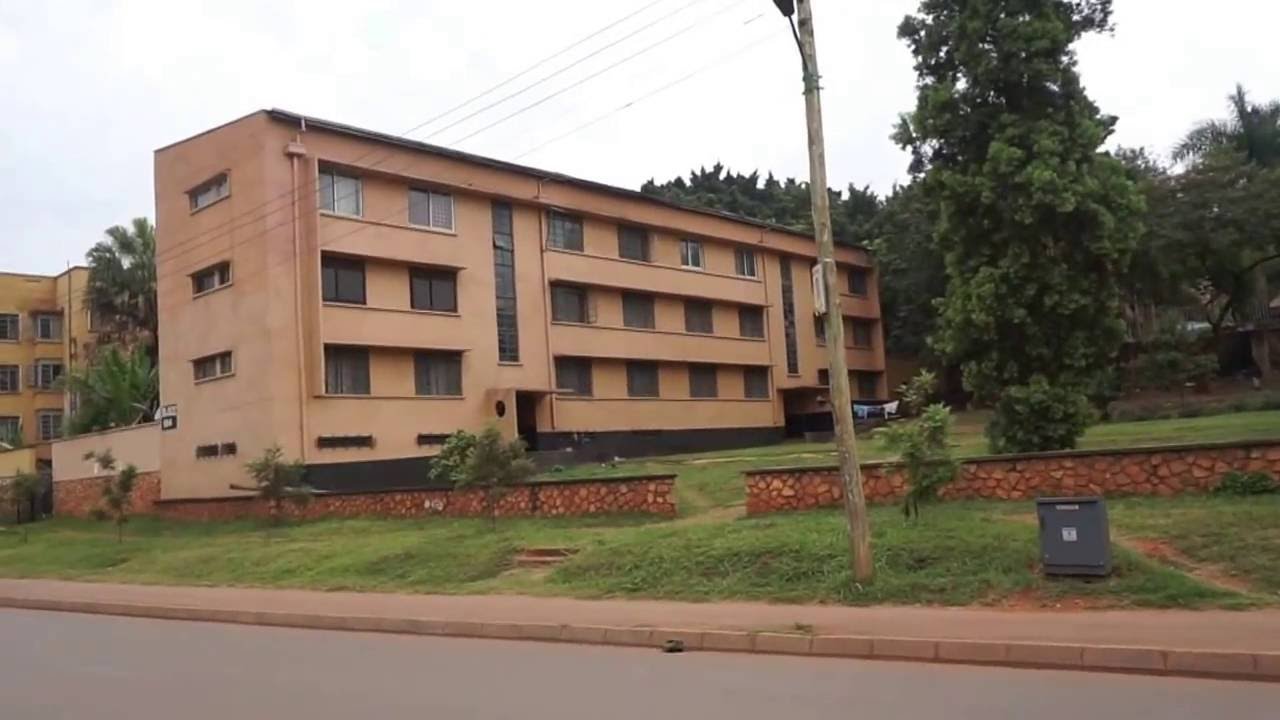
The dispute arose from Flat 660F on Buganda Road in Kampala, where Kwesigabo was a tenant of National Housing before eventually buying the property.
Kwesigabo and other tenants had complained to President Museveni about the high price National Housing was proposing to sell the flats to them.
Museveni subsequently directed that the flats be sold to sitting tenants at Shs51 million each, while the government would provide a subsidy of Shs59 million towards the purchase price for qualifying tenants.
Kwesigabo, however, ended up paying National Housing Shs142 million for his flat, yet the government had paid National Housing Shs 7.34 billion as subsidy on the flats.
Therefore, Kwesigabo’s main complaint was that although the government subsidy included a refund due to him, National Housing did not return his Shs 91 million.
He therefore took National Housing to court seeking the refund, general damages, exemplary damages, interest and costs.
He argued that he had effectively been made to pay much more than the Shs51 million price directed by the president and that National Housing had no right to keep the money after receiving the subsidy.
His lawyers, Hannington Mutebi of KBW Advocates and Fred Byamukama of MACB Advocates, argued that National Housing had imposed strict terms on tenants and that he signed because he feared being evicted from the flat.
The lawyers pointed to an earlier demand by National Housing for Shs2.468 million in rent arrears and a later notice warning that tenants who failed to accept the offer could face eviction and the property could be prepared for auction.
The lawyers also argued that Kwesigabo’s acceptance of the offer was conditional because tenants were still pursuing further negotiations over the price.
But National Housing rejected the suggestion that Kwesigabo had been forced into the transaction.
Its lawyer, Ruth Kisakye, from the company’s legal department, argued that the first offer had been made in August 2011, while the sale agreement was signed in January 2012, giving Kwesigabo several months to consider the transaction.
The company also argued that Kwesigabo had legal knowledge and could have challenged the government’s decision or sought independent advice if he did not agree with the terms.
National Housing further argued that Kwesigabo could not accept the benefits of the sale agreement and later reject the obligations contained in the same agreement.
Justice Kinobe faults former minister Betty Amongi for unfairly firing employee
On this point, Justice Harriet Grace Magala, who heard the case, agreed with National Housing, saying that after the fresh offer was made, Kwesigabo accepted it, applied for a Housing Finance Bank loan and went ahead with the transfer of the property.
She also rejected Kwesigabo’s argument that his acceptance remained conditional because of the tenants’ pending appeal for a further discount.
Justice Magala said the law requires acceptance of an offer to be absolute and unqualified and noted that the final sale agreement did not contain the condition Kwesigabo had referred to.
However, when the case turned to the money at the centre of the dispute: the Shs91.48 million refund, the matter took another twist.
National Housing argued that Kwesigabo did not qualify for the subsidy because his name did not appear on a particular list used to verify beneficiaries.
Kwesigabo’s lawyers challenged this argument, saying National Housing had never pleaded that he did not qualify for the subsidy.
Here, Justice Magala agreed with Kwesigabo, saying National Housing had introduced the qualification argument during the trial, not at the beginning of the case.
“A party will not be allowed to succeed on a case not set up by him and be not allowed at the trial to change his case or set up a case inconsistent with what he alleged in his pleadings except by the way of amendment of the pleadings,” she said.
In the end, the dispute gravitated to a simple question: if a landlord receives money from the government specifically connected to the price paid by a tenant who later becomes the owner, who should benefit from that money?
Justice Magala found that the evidence showed the government’s subsidy covered the flats occupied by sitting tenants, including Kwesigabo.
She said President Museveni’s directive was for the offer to be made to sitting tenants and rejected National Housing’s attempt to create a separate category of beneficiaries.
“With due respect to the learned Solicitor General, the subsidy was not intended to apply only to civil servants who lacked the capacity to pay the full purchase price,” Justice Magala said.
She added: “It is therefore immaterial whether [Kwesigabo] was a civil servant. The directive from H.E. the President was to the effect that the offer be made to sitting tenants.”
Justice Magala said National Housing had received the government subsidy, including the money due to Kwesigabo, but had not passed his refund to him. She described this as “unjust enrichment” on the part of National Housing.
She consequently ruled that National Housing is indebted to Kwesigabo to a tune of Shs 91 million.
Kwesigabo had also asked for Shs200 million in general damages, arguing that the dispute had caused him hardship and that he had been forced to take a Shs75 million Housing Finance Bank loan to finance the purchase.
Justice Magala rejected this, saying National Housing was responsible for Kwesigabo’s hardship caused by the loan because the government subsidy was granted after the purchase had already taken place.
However, she said that since National Housing had held the refund money since 2018 without justification, Kwesigabo was entitled to Shs50 million in general damages. In total, Kwesigabo is supposed to receive Shs 141 million.
Justice Magala further ordered National Housing to pay 18% interest per year on the Shs91 million from 2018 until the date of the judgment, as well as the costs of the suit.