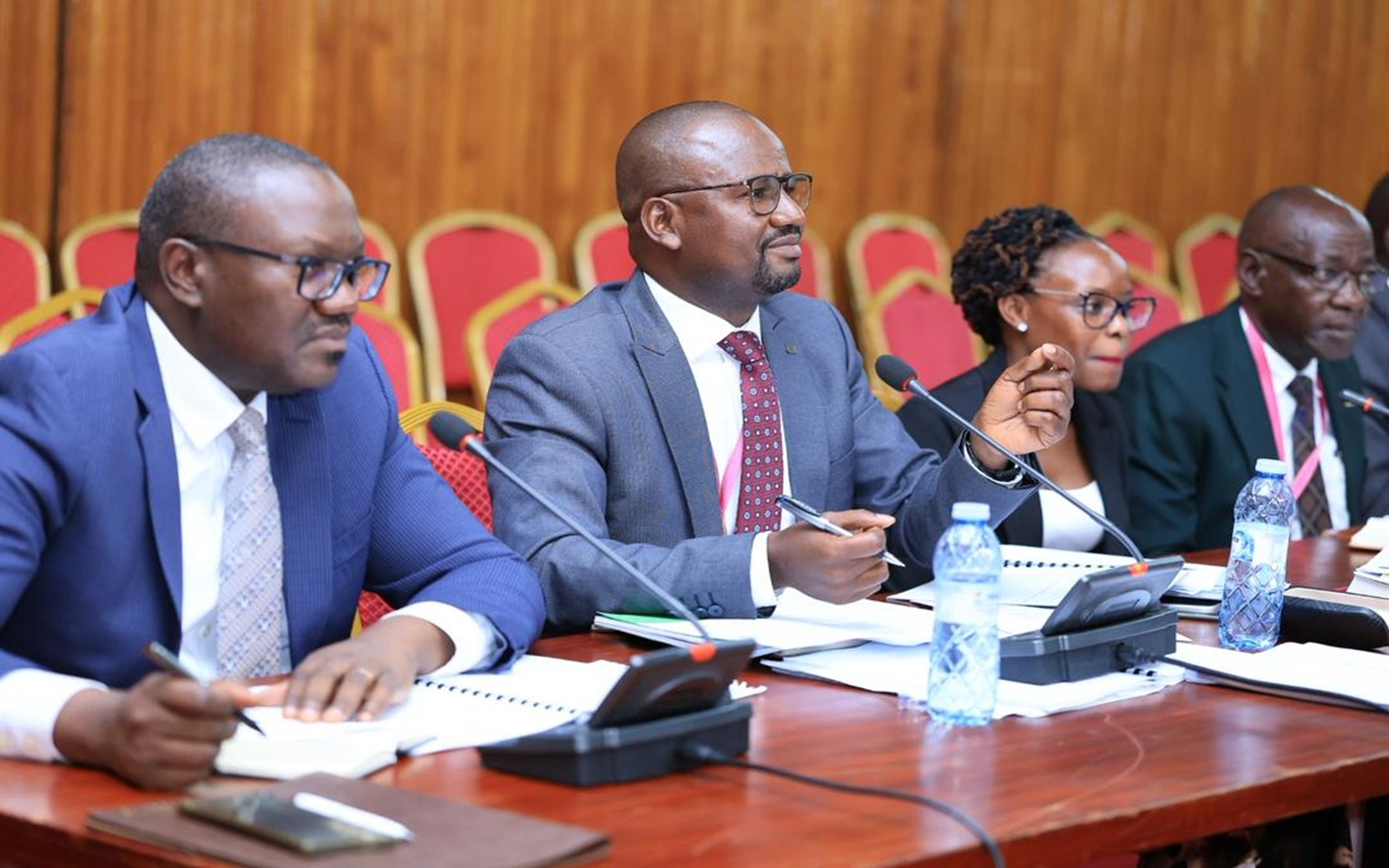
The Public Accounts Committee (Central Government) has questioned officials from the Ministry of Foreign Affairs over Shs1.3 billion paid to officials at seven Ugandan missions abroad for travel within their countries of posting at rates meant for foreign travel.
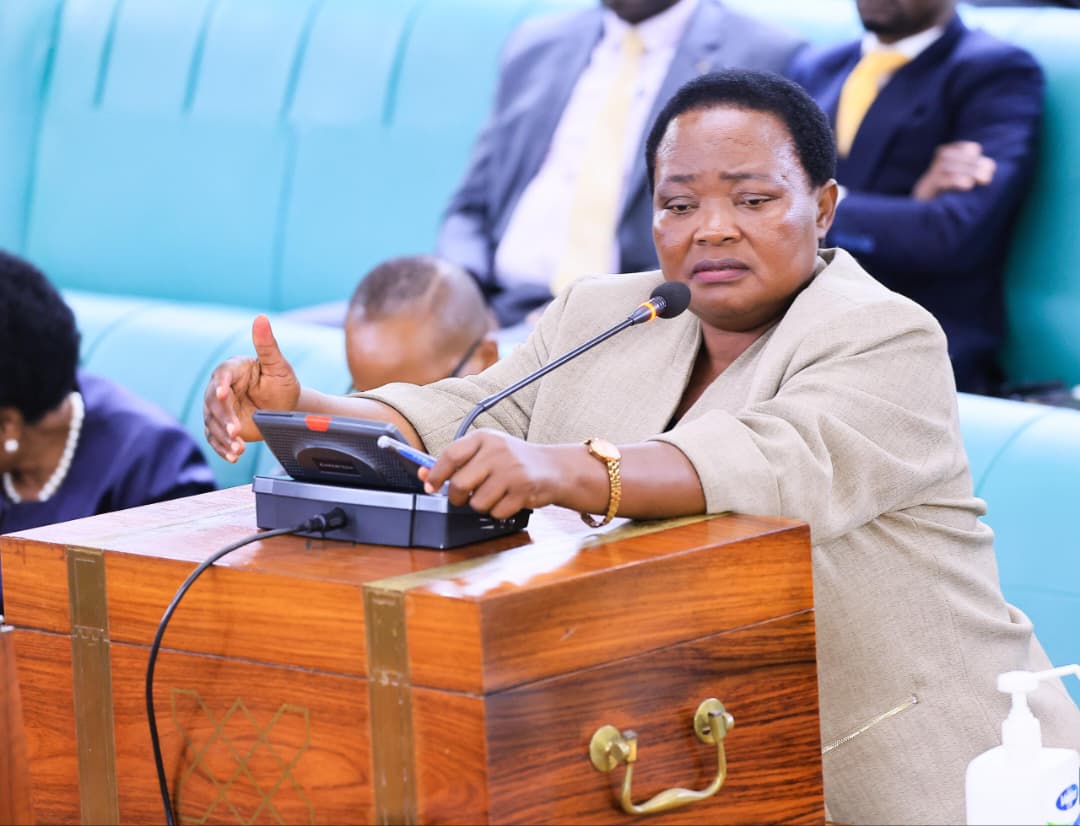
The query was raised during a meeting of the committee chaired by Patrick Oshabe, as MPs sought an explanation for why officials travelling locally within the countries where they are stationed were paid foreign travel rates.
The committee questioned whether the ministry had obtained the necessary approval to use the higher rates, particularly because the travel involved movements within the officials’ countries of posting rather than journeys outside those countries.
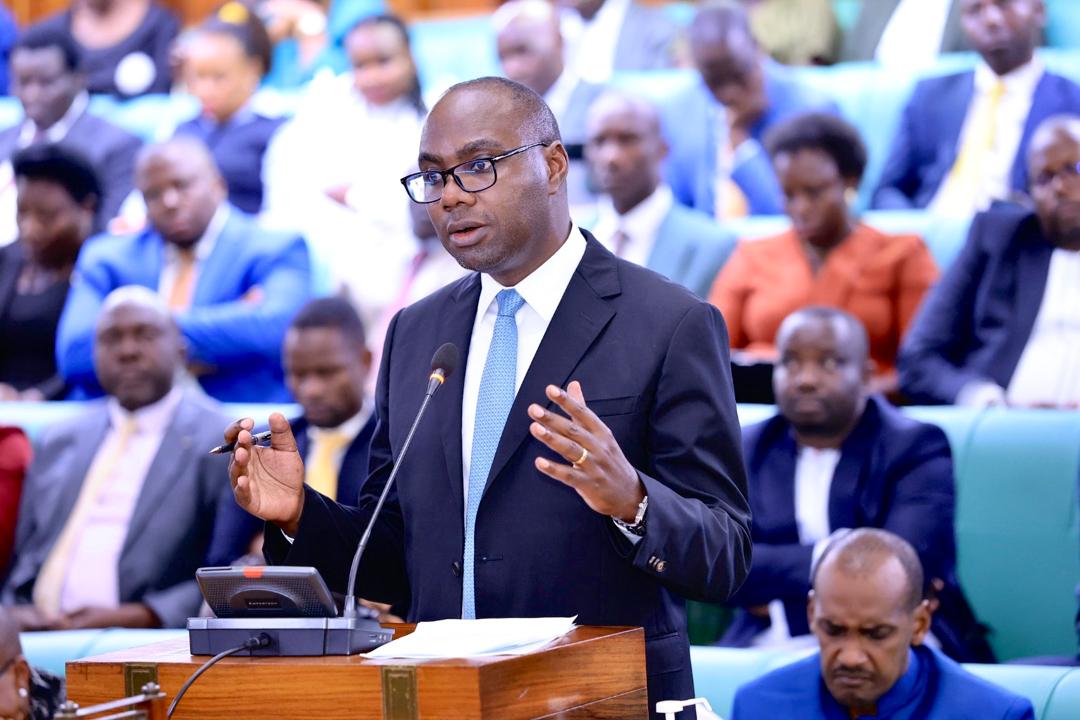
The ministry’s permanent secretary, Vincent Bagiire, told the committee that the ministry had sought guidance from the Ministry of Public Service on the matter.
Bagiire said the ministry considered it impractical to apply Uganda’s domestic travel rates to officials stationed in major cities abroad because the cost of transport and accommodation in those countries can be much higher.
“We did write to the Ministry of Public Service to approve rates of travel abroad for capitals such as Washington, D.C.,” Bagiire said.
He said using Uganda’s domestic travel rates could leave officials unable to meet the costs of official journeys between cities in countries such as the United States.
“It is not practical for us to say we shall use the local travel rates,” he said, citing journeys from Washington, D.C., to cities such as Seattle, where he said accommodation and other expenses can be significantly higher than Uganda’s domestic rates.
Bagiire, however, acknowledged that the Ministry of Public Service had not responded to the request.
Oshabe directed the Ministry of Foreign Affairs to provide the committee with documentary evidence showing that it had formally sought clearance to use foreign travel rates for officials travelling within their countries of posting.
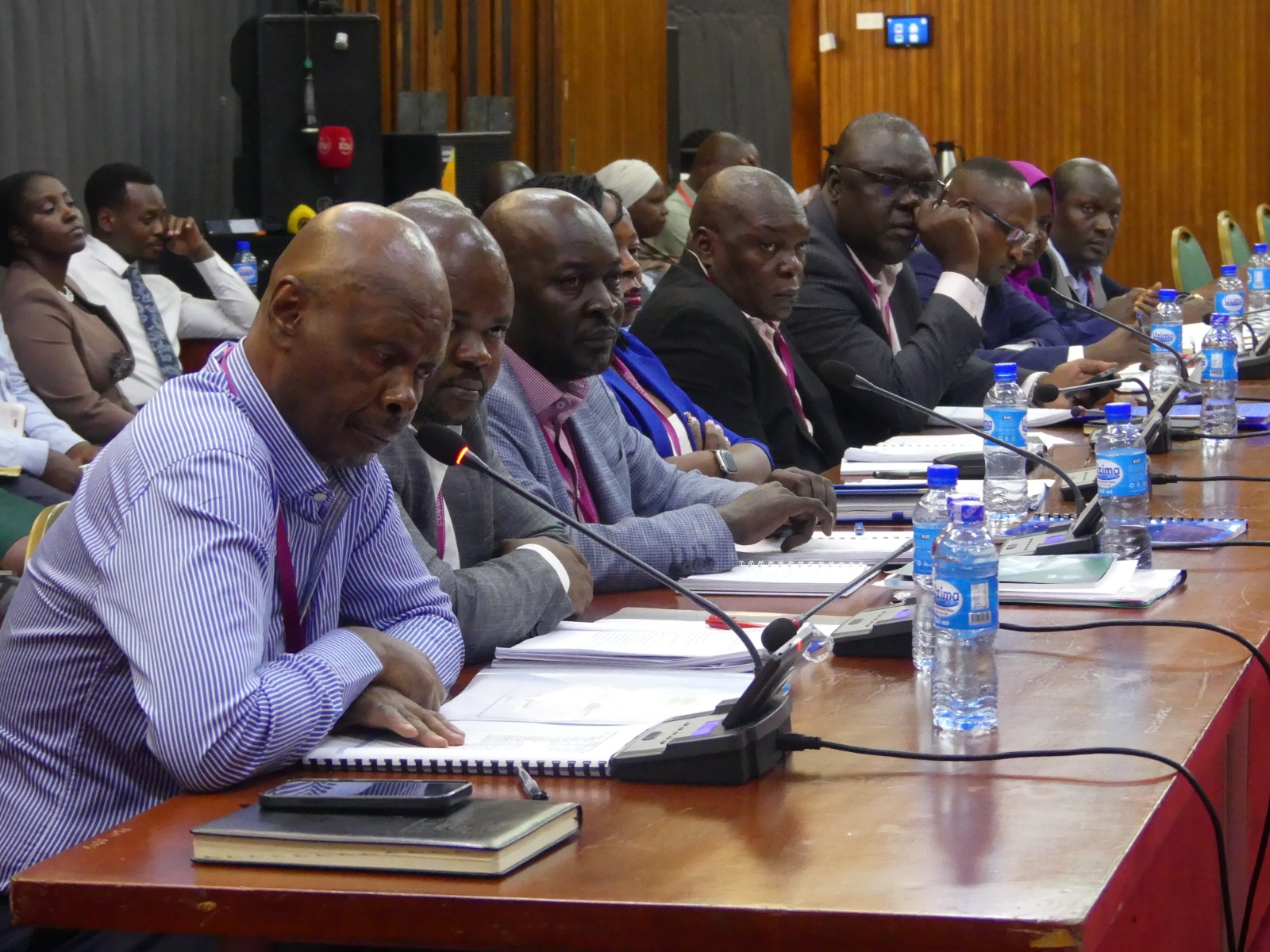
The committee also examined the ministry’s management of domestic arrears and discrepancies in its financial records.
During the meeting, Richard Wanyama, the MP for Samia Bugwe Central County, questioned why the Ministry of Defence had made a payment to international organisations on behalf of the Ministry of Foreign Affairs.
The committee was told that the Ministry of Defence had paid $2.76 million towards Uganda’s obligations to the African Union.
Bagiire explained that the payment was made because of Uganda’s participation in an African Union Commission Summit and the ministry’s outstanding obligations to the continental body.
He said the Ministry of Foreign Affairs considered seeking supplementary funding, but feared that the process would delay payment.
Bagiire said this was how the funds were eventually provided through the Ministry of Defence.
“These international organisations are very critical to the country’s foreign policy framework,” he said.
The committee was further informed that the Ministry of Foreign Affairs requires more than Shs25 billion every year to meet Uganda’s subscriptions to international organisations and prevent the accumulation of arrears.
MPs also raised questions about differences in figures contained in the ministry’s financial records.
Elgon County MP Wamakuyu Mudiimi noted that the ministry’s financial statements reported Shs81 billion in contributions to international organisations, while the Board of Survey showed Shs83 billion.
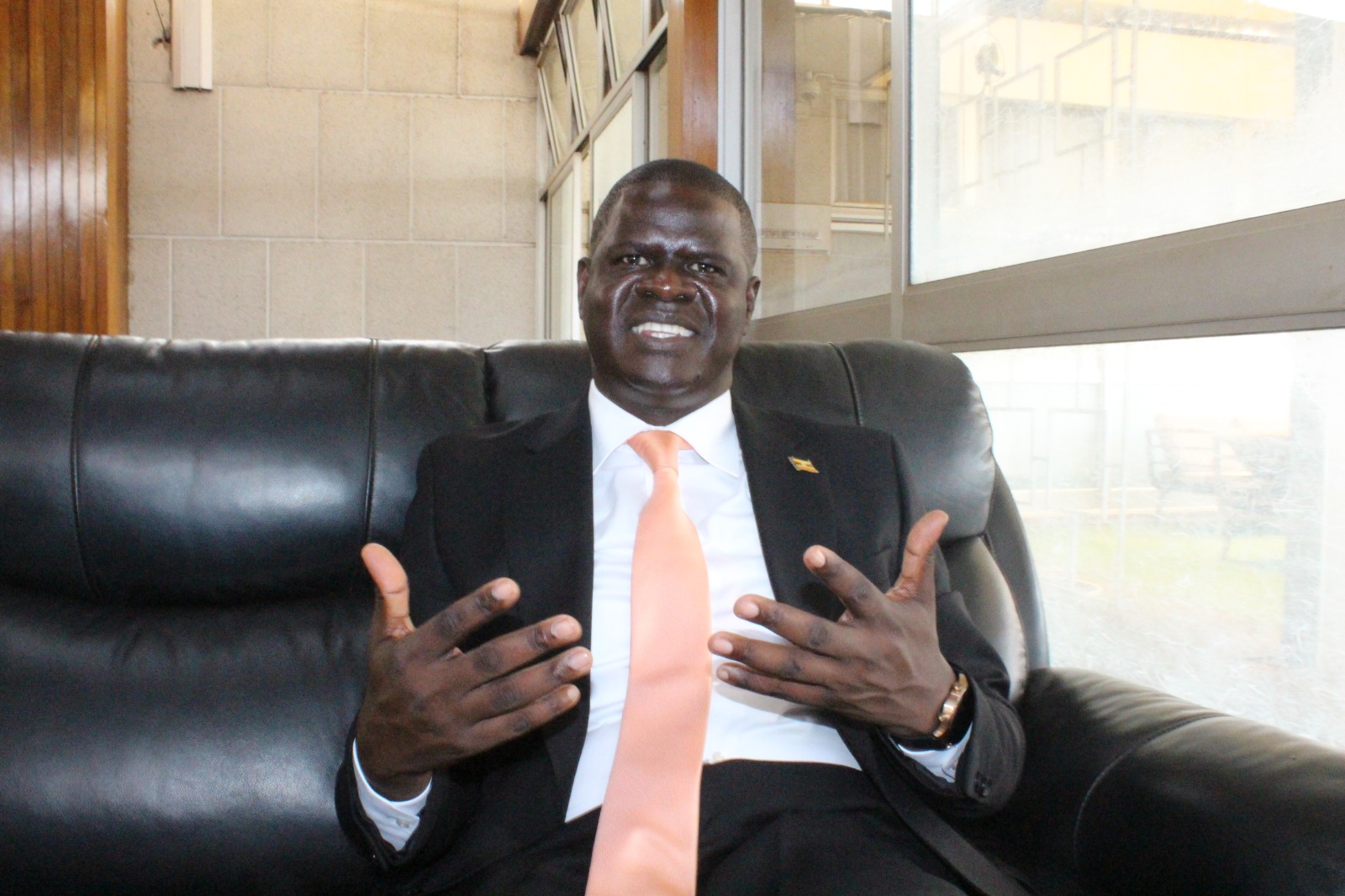
The ministry’s head of accounts, Mubaraka Nsambas, attributed the difference to the verification process.
“The figure we captured in the financial statements is what was verified. What is in the Board of Survey was not verified,” Nsambas said.
His explanation, however, prompted further questions from the committee and the representative of the Auditor General.
The Auditor General’s representative told the MPs that the Board of Survey had been prepared by the Accountant General in collaboration with the Ministry of Foreign Affairs, raising further questions about why the figures had not been reconciled.
The committee is expected to scrutinise the documents and explanations provided by the ministry as it continues examining the government’s financial accounts and how public funds are spent.