Government is preparing new parole rules that could allow eligible prisoners to serve part of their sentences outside prison under supervision, as authorities seek to address overcrowding in the country’s prisons.
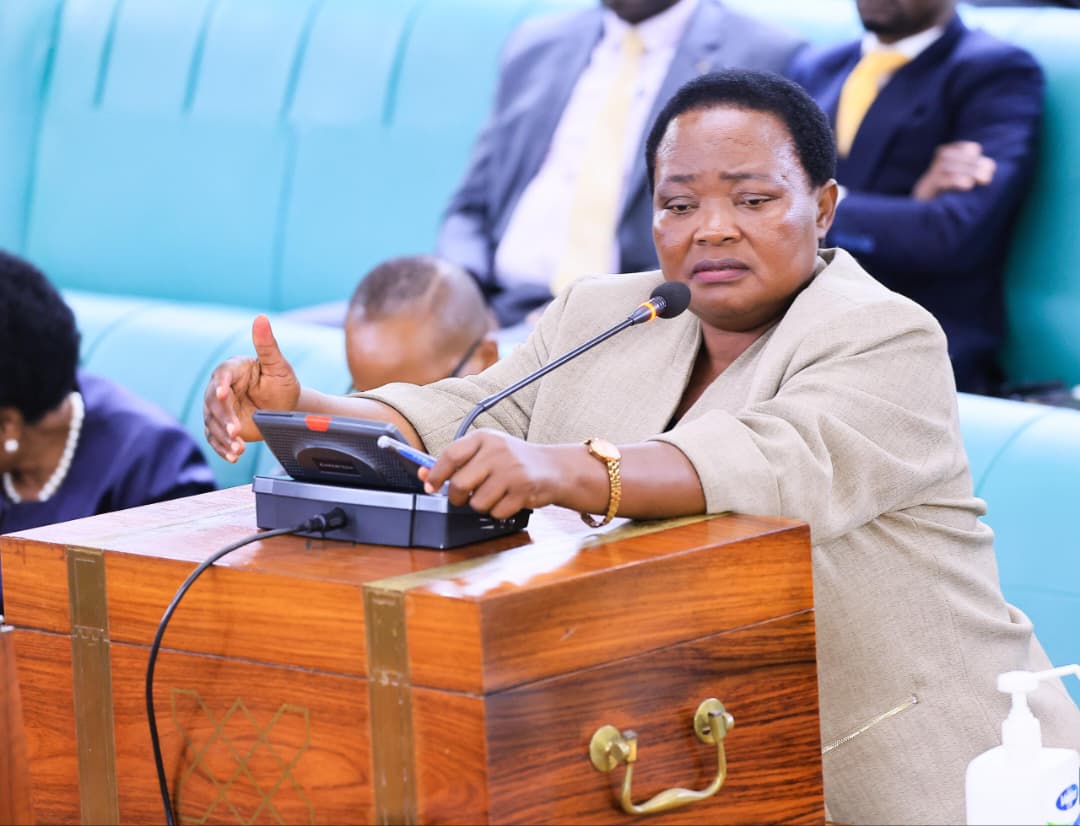
Prime Minister Robinah Nabbanja told Parliament that the Uganda Prisons Service (UPS) is finalising the Parole Rules and Regulations, which are currently before the First Parliamentary Counsel for drafting and review.
“The Uganda Prisons Service is finalising the Parole Rules and Regulations, currently before the First Parliamentary Counsel to govern the safe release of eligible inmates,” Nabbanja said during the weekly Prime Minister’s Time in Parliament.
Parole allows prisoners who meet specific conditions to leave prison before completing their full sentences and serve the remaining period in the community. Those released on parole are required to follow conditions set by the authorities and remain under supervision.
Depending on the conditions, a person on parole may be required to report regularly to a parole officer, maintain good conduct and take part in rehabilitation programmes. A prisoner who breaches the conditions can be returned to custody.
Nabbanja was responding to concerns raised by Kampala Woman MP Shamim Malende over overcrowding in prisons and the prolonged detention of suspects on remand.
Malende said delays in the judicial system were contributing to the growing prison population because some suspects spend several years on remand before their cases are concluded.
“We have people who should serve six months but end up spending three years on remand because their cases are not heard in time,” Malende said.
Remand prisoners are people who have been charged with offences but have not yet been convicted. They are held in custody while waiting for their cases to be heard or concluded.
Nabbanja said the government, through the Uganda Prisons Service and other institutions under the Justice, Law and Order Sector (JLOS), is also working to increase the use of non-custodial sentences.
These include community service and other measures that allow eligible offenders to serve their sentences outside prison where continued detention is considered unnecessary.
The government is also using technology to reduce the movement of prisoners to and from courts. Nabbanja said video-conferencing systems have been installed in 21 prisons, allowing some inmates to appear before judicial officers remotely.
She cited Luzira Upper Prison, Arua, Mbarara, Lira, Soroti, Fort Portal and Kabale among the areas where video links are being used.
The system is intended to reduce the need to transport prisoners to court, which can require additional security and transport resources and may delay court proceedings.
At the same time, the government is expanding prison infrastructure to deal with the shortage of accommodation.
Nabbanja said construction is ongoing at several prisons, including Sembabule, Lwengo, Kabula, Buwama, Paidha, Nakasongola, Ndorwa, Murchison Bay, Arua, Kitgum, Rakai and Mutukula.
She added that in the 2026/27 financial year, the government plans to construct 37 prison wards in Mityana, Mbarara and Kibaale districts.
The proposed parole system, wider use of non-custodial sentences, greater use of video conferencing and expansion of prison facilities are part of the government’s efforts to manage the pressure on the prison system.