Several local companies and institutions are seeking tax waivers running into billions of shillings, citing financial difficulties, declining revenues, loss of major contracts and growing debts.
The requests are being considered as Parliament examines the government’s proposed framework for deciding which taxpayers facing financial difficulties should qualify for tax relief.
Among the applicants is the Uganda Printing and Publishing Corporation (UPPC), a government-owned company responsible for printing and publishing official government documents, including the Uganda Gazette and other public publications.
UPPC is seeking a tax waiver of more than Shs13 billion. The corporation says a decline in revenue and operational instability have made it difficult for it to meet its tax obligations.
Another applicant is K-Roma Limited, which is seeking a waiver of about Shs1.8 billion. The company has cited a reduction in its cash position and negative net cash flows as reasons for its request.
Ankole Western University, a higher education institution in western Uganda, is also seeking a tax waiver of about Shs1.8 billion because of what it describes as financial difficulties.
Fresh Cuts Uganda, a meat processing and food business, has applied for a waiver of about Shs8.92 billion. The company has cited financial hardship and rising tax arrears.
New Plan Uganda is seeking the largest waiver among the applicants listed before Parliament, at about Shs18.86 billion.
The company has cited the termination of major client contracts and significant debt as factors that have affected its ability to meet its tax obligations.
The applications have brought renewed attention to how the government should deal with businesses that owe taxes but say they are struggling to remain operational.
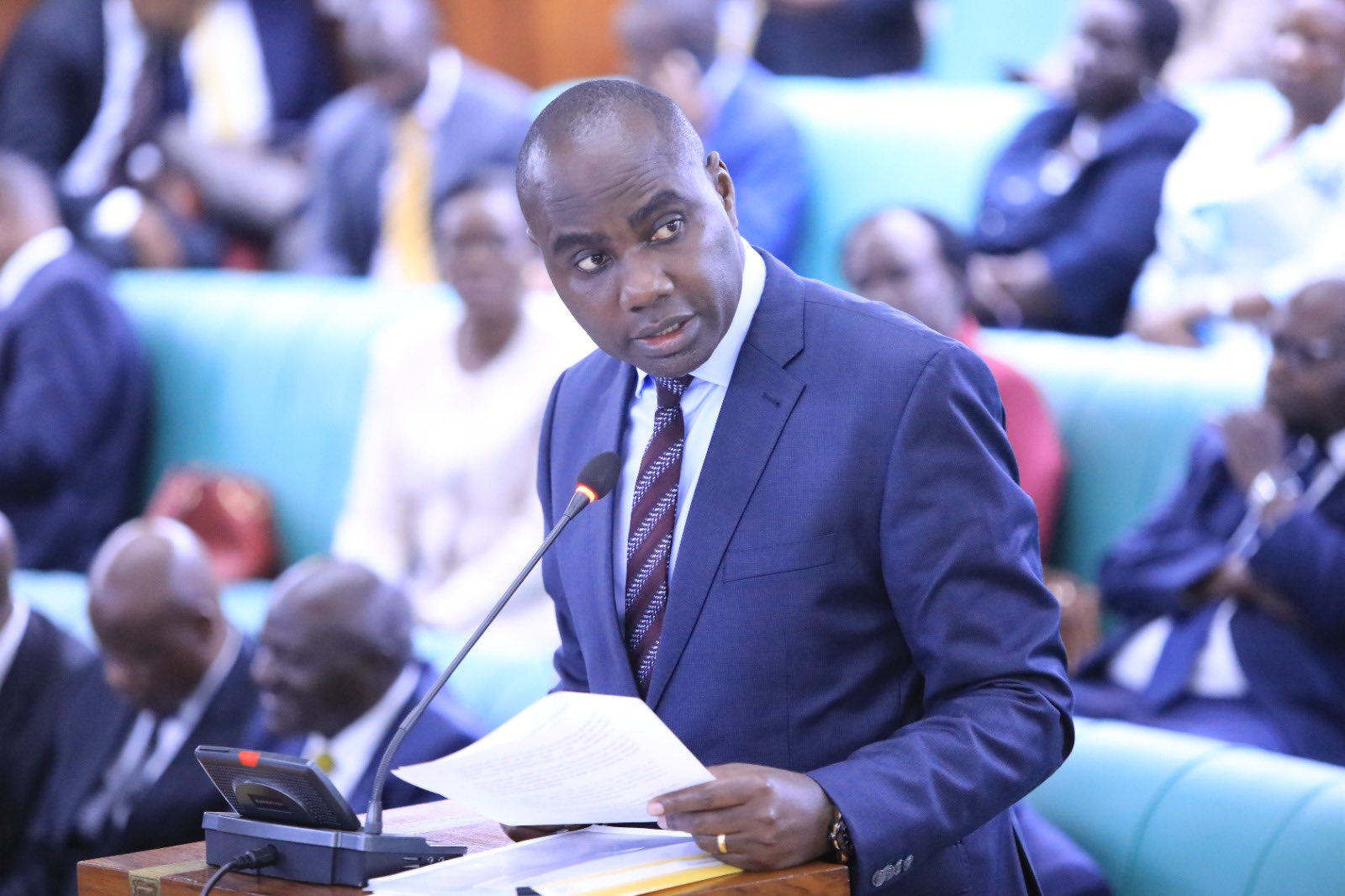
Finance Minister Henry Musasizi told Parliament that not every company facing financial difficulties would automatically qualify for a tax waiver.
He said the Government would consider factors such as genuine financial hardship, the impossibility or undue difficulty of recovering the tax, the excessive cost of recovery and the taxpayer’s history of compliance.
Other circumstances that could be considered include bankruptcy, death of a taxpayer, failure to locate a taxpayer and legal barriers that make tax recovery difficult.
The government would also consider loss of employment, the death of the principal income earner in a business and situations where enforcement action could affect a viable asset.
“We need to differentiate between tax waivers and tax exemptions, and I want to make sure this presidential directive is implemented,” Musasizi told MPs during plenary chaired by Deputy Speaker Thomas Tayebwa.
The minister’s explanation was aimed at clarifying how the government intends to implement a presidential directive on tax waivers while protecting public revenue.
Nyendo-Mukungwe MP Lubowa Gyaviira asked Musasizi to provide Parliament with a more detailed document showing which taxpayers would be prioritised and how the selection would be made.
Lubowa warned that without clear safeguards, the policy could be abused and result in Government losing revenue that should be collected.
Isingiro West MP Anthony Tumwesigye of the NRM welcomed the proposed tax relief framework, saying it could help protect jobs and stabilise businesses facing genuine financial difficulties.
MP Paul Mwiru also called for a clearer government position, pointing to previous instances where companies received tax relief.
The MPs’ concerns centre on the need to distinguish between businesses facing genuine temporary difficulties and those that may simply be unable or unwilling to meet their tax obligations.
For the companies seeking relief, however, the central argument is that collecting the full tax arrears immediately could worsen their financial difficulties and affect their ability to continue operating.
The proposed framework is therefore intended to guide the government and the Uganda Revenue Authority in assessing individual applications and determining whether a waiver is justified.
The requests by UPPC, K-Roma, Ankole Western University, Fresh Cuts Uganda and New Plan Uganda now place the issue of tax waivers at the centre of Parliament’s debate over how to protect businesses and jobs while ensuring that Government does not unnecessarily lose tax revenue.