Parliament’s Committee on Commissions, Statutory Authorities and State Enterprises (COSASE) has reopened the long-running Temangalo land controversy, summoning businessman Amos Nzeyi to explain why he continues to occupy part of land that was bought by the National Social Security Fund (NSSF) more than 15 years ago.
The committee reached the decision after hearing that Nzeyi, one of the directors of AMA Ltd, still occupies more than 100 acres of the 463-acre Temangalo property, despite an agreement signed in 2011 requiring him to vacate the land or provide NSSF with a suitable alternative.
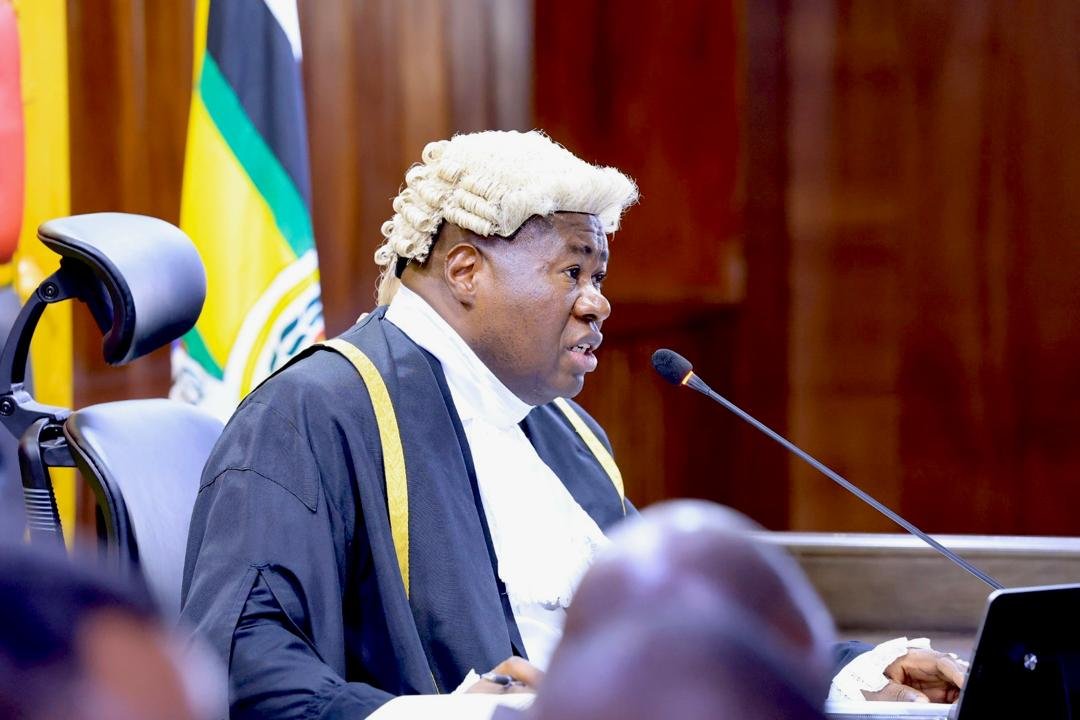
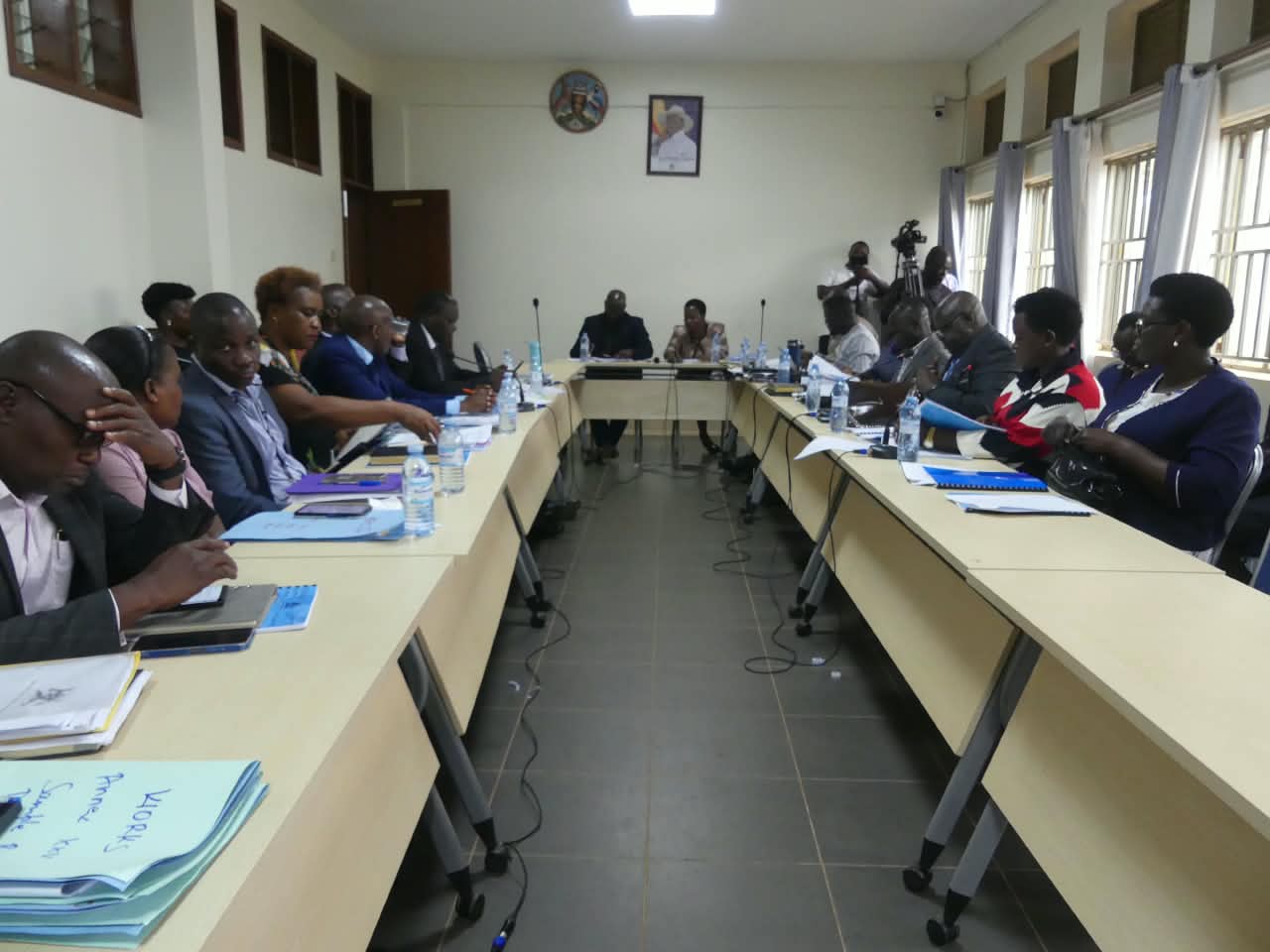
COSASE, chaired by Kyadondo East MP Muwada Nkunyingi, raised the matter while meeting NSSF’s top management led by Managing Director Patrick Ayota to assess the fund’s investments and ongoing projects.
During the meeting, NSSF officials told MPs that the land dispute remains unresolved because the conditions contained in a Memorandum of Understanding signed with Nzeyi have never been fulfilled.
NSSF Deputy Managing Director Gerald Kasaato explained that under the agreement, Nzeyi was expected to compensate the fund with alternative land that met strict requirements.
“We agreed that the alternative land should not be in a low-lying area, should be free from any encumbrances and should be adjacent to our land. These conditions have not been met by Mr. Nzeyi,” Kasaato told the committee.
He said NSSF has continued to engage Nzeyi over the years, but the proposed replacement land has never satisfied the agreed standards.
The fund’s secretary, Agnes Isharaza, told MPs that management is increasingly worried that Nzeyi may never honour the agreement.
“Mr. Nzeyi has not come through on the conditions that were set, and we are worried that he may not comply given the circumstances,” Isharaza said.
She explained that the prolonged occupation has prevented NSSF from fully utilizing the entire Temangalo property for its planned developments.
After listening to the officials, committee chairperson Muwada directed the clerk to Parliament to summon Nzeyi to personally explain why the matter has remained unresolved for more than a decade.
“I think, Mr Clerk, we need to summon this occupant called Nzeyi to explain all this,” Muwada said.
The summons is expected to give MPs an opportunity to hear Nzeyi’s side of the story and determine why the commitments contained in the 2011 agreement have not been implemented.
Despite the unresolved dispute, Ayota told the committee that NSSF has made significant progress in developing the Temangalo estate.
He said construction of 500 housing units is currently underway and is expected to be completed by September this year.
“Mr. chairman, construction of 500 houses is ongoing in Temangalo and is expected to be completed by September,” Ayota said.
He added that the fund is steadily transforming its real estate investments into income-generating assets that will increase returns for contributors.
Ayota also updated MPs on another major housing project in Lubowa.
He said NSSF has completed about 300 houses there, adding that many of the units have already been sold.
According to Ayota, the sales are helping improve the fund’s investment performance while contributing to the country’s housing supply.
The committee also received an update on Pension Towers, NSSF’s flagship commercial building in Kampala.
Ayota said construction of the office complex has so far cost Shs 322 billion and is progressing according to schedule.
He told MPs that the building is expected to be completed by the end of January 2027.
The revival of the Temangalo land issue brings back one of Uganda’s most controversial public land transactions.
NSSF bought the 463-acre Temangalo land in Wakiso District in 2011 for Shs 11 billion as part of its strategy to invest workers’ savings in real estate.
However, the purchase immediately attracted intense public debate after it emerged that the land had been sold by AMA Ltd, a company associated with former Prime Minister Amama Mbabazi.
At the time, critics questioned whether the transaction represented value for money and whether there had been a conflict of interest because Mbabazi was an influential minister.
Although NSSF maintained that the land was professionally valued and acquired through the required procedures, the public debate continued for years because of the political attention surrounding the deal.