As youth unemployment rises, leaving many young people redundant and increasingly exposed to unethical conduct, the Buganda kingdom is moving to reform school curricula by adopting the Ekisakaate syllabus across its education system.
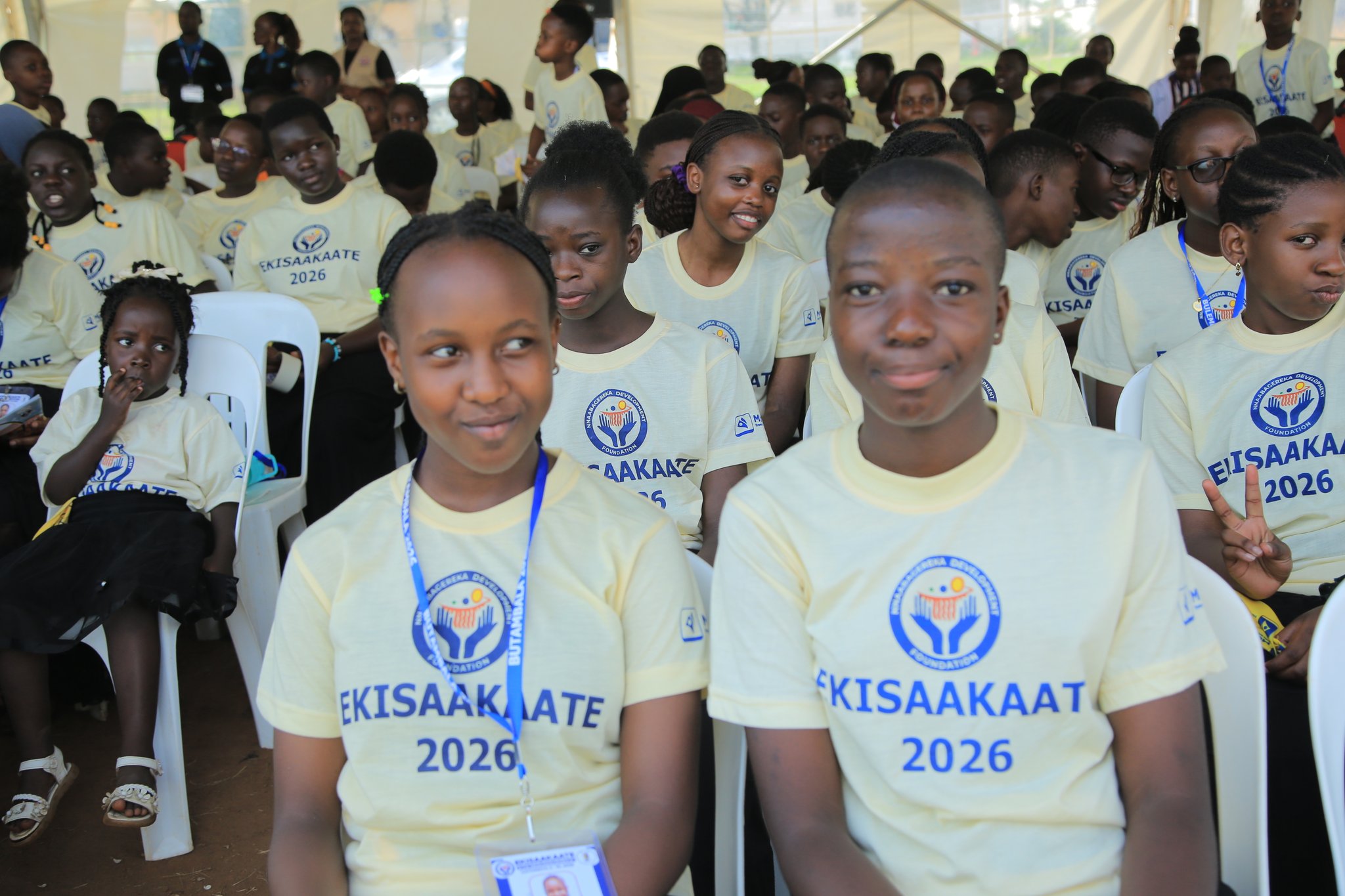
The announcement was made by Kotilda Nakate Kikomeko, the minister for social services, education and the office of the Nnabagereka, at the closure of Ekisakaate kya Nnabagereka Gatonnya 2026. The children’s camp was hosted by Hormisdallen Primary School at its Gayaza campus in Wakiso district.
“With profound pleasure, I thank Maama the Nnabagereka, Lady Sylvia Nagginda Luswata, for establishing this annual children’s camp, which aims to instil cultural morals and history in our children,” Kikomeko said.
Dressed in a brown gomesi, the traditional female cultural attire, Kikomeko revealed that Buganda’s ministry of Education and Sports plans to integrate the Ekisakaate syllabus into the curriculum of all kingdom-affiliated institutions, from primary and secondary schools to vocational institutes and royal universities.
She said the decision followed a study of the existing national curriculum, which, according to the kingdom, gives limited attention to vocational and practical skills. These include arts and crafts, pottery, poultry keeping, fishing, agriculture, public speaking, the Luganda language and the cultural history of the Buganda kingdom.
Nagginda expressed concern about the rising cases of maternal health challenges, stress and depression among children. She cited statistics indicating that 23 per cent of children are vulnerable to such conditions due to domestic violence, broken families and unstable marriages.
She noted that this year’s camp focused on humility, confidence and decision making, and encouraged participants to pass on the skills and values they had acquired to peers who did not get the opportunity to attend. During the camp, children were trained in shoemaking, cultural history, catering and language.
Katikkiro Charles Peter Mayiga, thanked parents who sent their children to the camp, describing it as a clear signal of their commitment to securing a bright future for them.
Mayiga said the Ekisakaate experience reminded leaders and the wider public of life at home during childhood, which he said helped shape responsible individuals and laid the foundation for formal education and leadership.
The Ekisakaate kya Nnabagereka has increasingly emerged as a cultural lifeline for Buganda’s children at a time when modern influences continue to compete strongly with traditional values.