The Office of the Auditor General has asked Parliament for Shs 2.4 billion next financial year to roll out a new programme aimed at teaching citizens how to “identify corruption and misuse of public funds.”
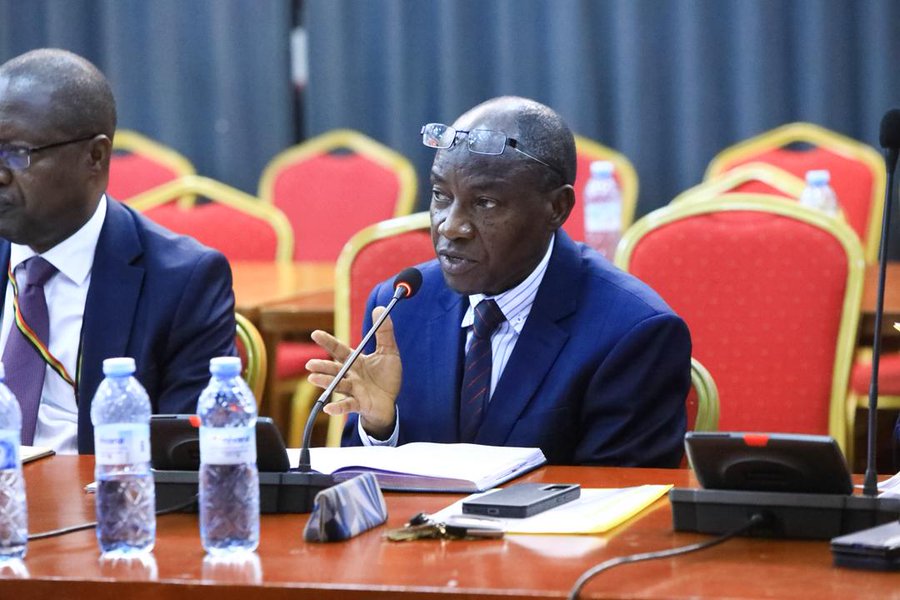
The money was requested by Stephen Kateregga, the Assistant Auditor General in charge of corporate affairs, while appearing before Parliament’s Finance Committee yesterday (January 21, 2026) to present the office’s 2026/27 national budget framework paper.
Kateregga told MPs that the funds would be used to involve ordinary citizens in the audit process, arguing that public participation would improve accountability and strengthen the fight against corruption.
“We want to implement this initiative to see how we can involve the citizens in our audit processes. It is something that other audit institutions are now doing, very effective in ensuring that whatever we do creates the impact desired. So, we are requesting for Shs 2.4 billion to undertake this,” Katerega said.
However, MPs questioned why the Auditor General’s office was seeking money to teach the public how to spot corruption when its own reports already regularly expose large-scale abuse of public resources.
Paul Omara, from Otuke, questioned the impact created by the previous audit reports, given the rising corruption within government institutions.
“I have seen you have carried out, actually 285 forensic investigations and special audits. When I hear forensic, I know that lots of money were involved somewhere and you wanted to ascertain. Would you be able to tell the committee if some reports are being used for prosecution and recoveries from those efforts?” Omara asked.
While the Auditor General’s reports consistently point out wastage of public funds, ghost projects and outright theft, the office itself does not have power prosecute or directly recover stolen funds. Enforcement is left to Parliament, the Inspectorate of Government, the Directorate of Public Prosecutions and other agencies.
This reality raised concerns among MPs about whether spending Shs 2.4 billion on public education would translate into tangible results, or whether the money would be better spent strengthening enforcement and follow-up on existing audit findings.