Civil society organisations have expressed concern over declining donor funding for refugees and refugee-hosting communities, warning that the cuts are affecting the welfare and livelihoods of millions of displaced people in Uganda.
The concerns were raised during a refugee women-led organisations dialogue held at Hotel Africana in Kampala ahead of World Refugee Day, which will be commemorated on June 20.
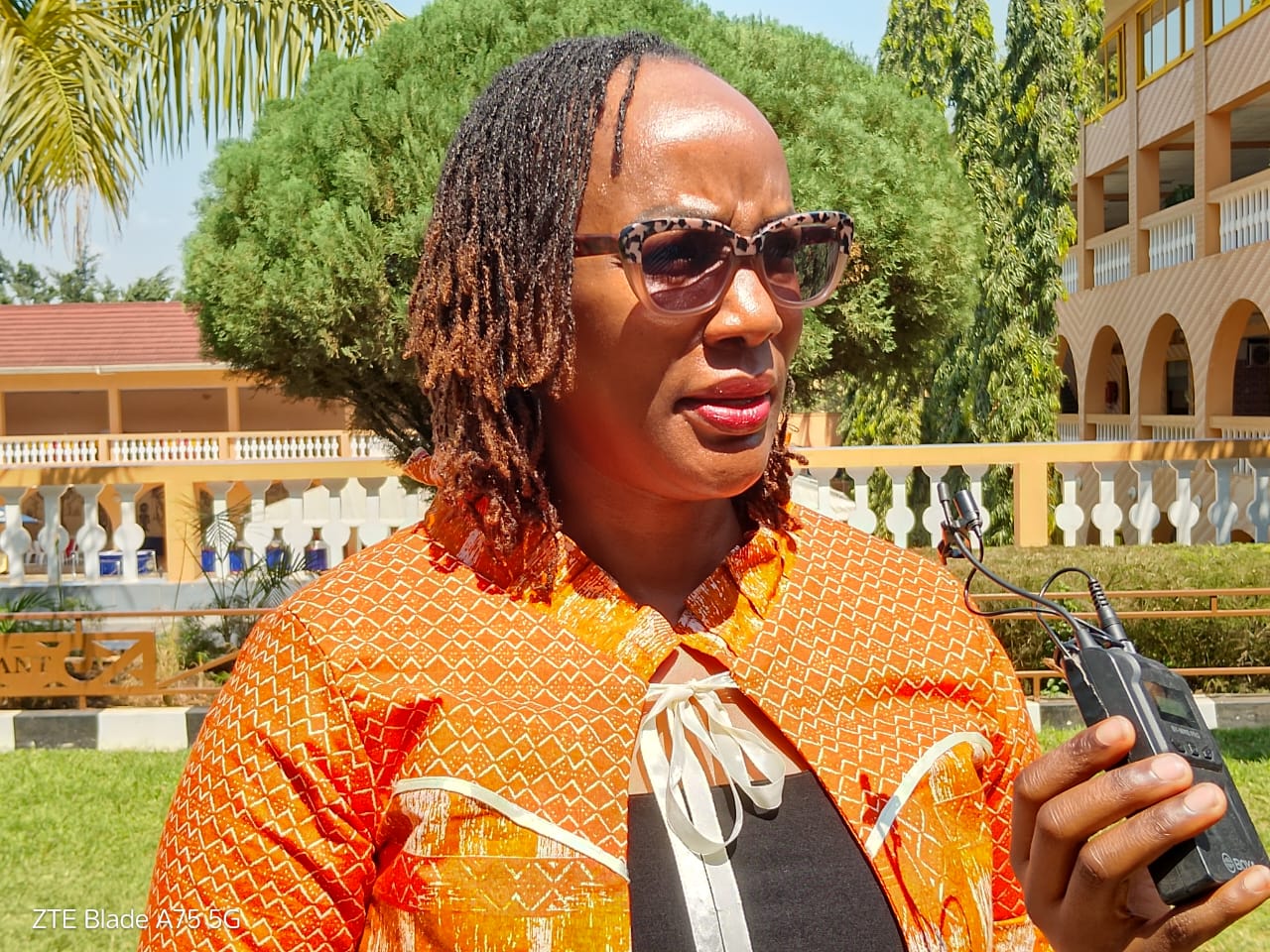
Speaking at the event, Frances Birungi, the executive director of the Uganda Community-Based Association for Women’s and Children’s Welfare, said Uganda continues to shoulder a huge responsibility as one of the world’s largest refugee-hosting countries, yet funding from international donors has continued to decline.
Burunji said the reduction in financial support comes at a time when refugees require more assistance than ever before.
“Women make up the largest proportion of the refugee population. They need to be empowered with skills, resources and opportunities that can help them sustain their lives and support their families,” she said.
She noted that inadequate funding has forced some refugees to move from one settlement to another in search of better living conditions and services.
According to Burunji, refugees need security, stable livelihoods and access to essential services. She argued that conditions could improve if resources reached refugee communities directly.
“Refugees need support to survive and rebuild their lives. Direct funding to communities would help address many of the challenges they face,” she said.
Milly Nancy Laggu, the chairperson of the Refugee Welfare Council III in Kiryandongo Refugee Settlement, also called for greater support for women in refugee-hosting communities.
She said many women and girls in refugee settlements remain vulnerable to sexual harassment and other forms of abuse due to economic hardship.
Laggu, who has lived in the settlement for 14 years, said community leaders also need support through education and financial empowerment so that they can effectively serve the people they represent.
“There is a need to strengthen and support leaders within refugee settlements because they play a key role in addressing community challenges,” she said.
Uganda hosts more than two million refugees and asylum seekers from several countries, mainly in Africa, including South Sudan, the Democratic Republic of Congo, Sudan, Somalia and others.
Women and children account for the majority of the refugee population, making targeted support for women an important part of the country’s refugee response efforts.
The dialogue was held as stakeholders prepared to mark World Refugee Day under renewed calls for increased international support to both refugees and the communities that host them.