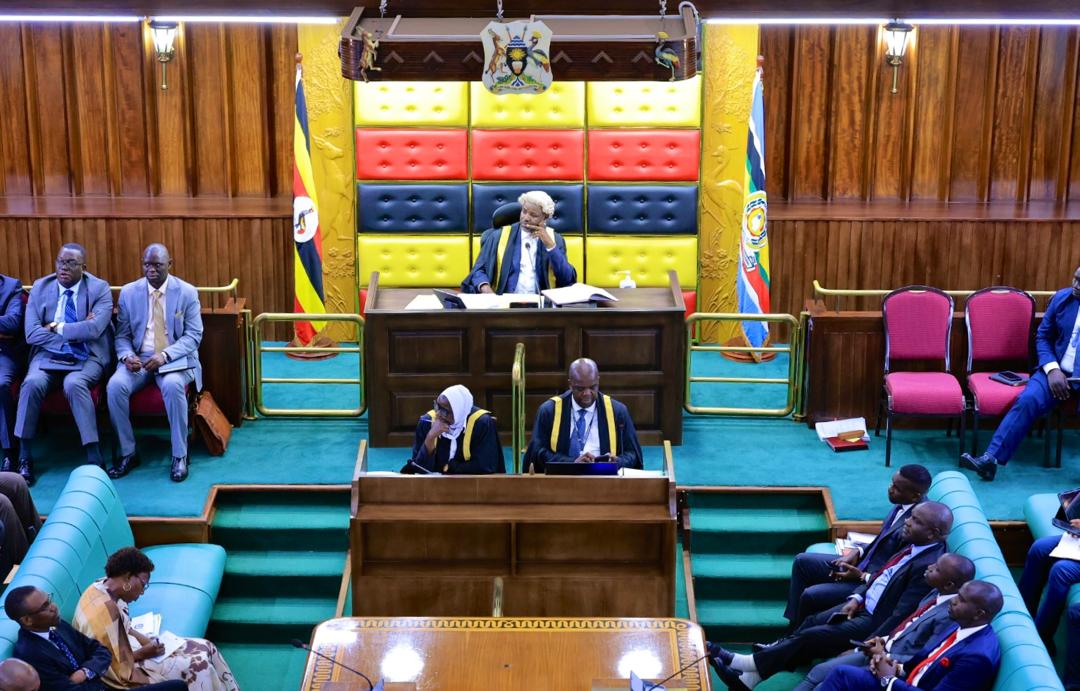
Parliament has approved a loan of €168.9 million for the second phase of the Solar-Powered Irrigation Systems Project, paving the way for the implementation of several irrigation projects across the country.
The loan will be obtained from the United Kingdom Export Finance and Citi Bank to support government efforts to improve agricultural production and reduce the impact of climate change on farming.
Presenting the proposal during a plenary sitting, the minister of Finance, Henry Musasizi, said Uganda’s agricultural sector has been heavily affected by recurring droughts and floods over the past two decades.
He said the extreme weather conditions have reduced crop yields, disrupted food production and contributed to food shortages in some parts of the country.
Musasizi told the MPs that the government has identified several irrigation and water infrastructure projects that will be implemented once financing is secured.
These include feasibility studies and detailed designs for the Kagera Multipurpose Water Infrastructure Development for Climate Resilience Project in Isingiro and Rwampara districts.
Other planned projects include bulk water systems and irrigation schemes in Lumbuye in Luuka, Kaliro, Lopei in Napak, Angololo in Tororo, Nabigaga in Kamuli, Rwimi in Kasese, Purongo in Amuru, Palyek in Nwoya and Kibimba in Gomba.
The minister also revealed that feasibility studies have already been completed for major irrigation schemes in the Mount Elgon region, the Rwenzori region, Agoro Hills and the South-Western Highlands.
Additional studies are being conducted for a bulk water system in Nakasongola, 14 multipurpose storage dams in the Karamoja sub-region, the Geregere earth dam and water facilities in Agago, the Ojama water project in Serere, and water facilities in Mbarara, Kyahi and Makokwa.
According to Musasizi, the large dams will provide water for irrigation and other productive uses, making them critical to increasing agricultural productivity and improving food security.
He added that feasibility studies for the Enengo irrigation scheme in Kanungu and Rukungiri districts, the Amagoro irrigation scheme in Tororo District and the Nyimur irrigation scheme in Lamwo District are being funded by the World Bank.
The minister further disclosed that 96 small-scale irrigation schemes, each covering 10 acres, will be established in 55 districts.
The projects will cover a total of 960 acres and will be financed through a separate loan from the Arab Bank for Economic Development in Africa (BADEA).
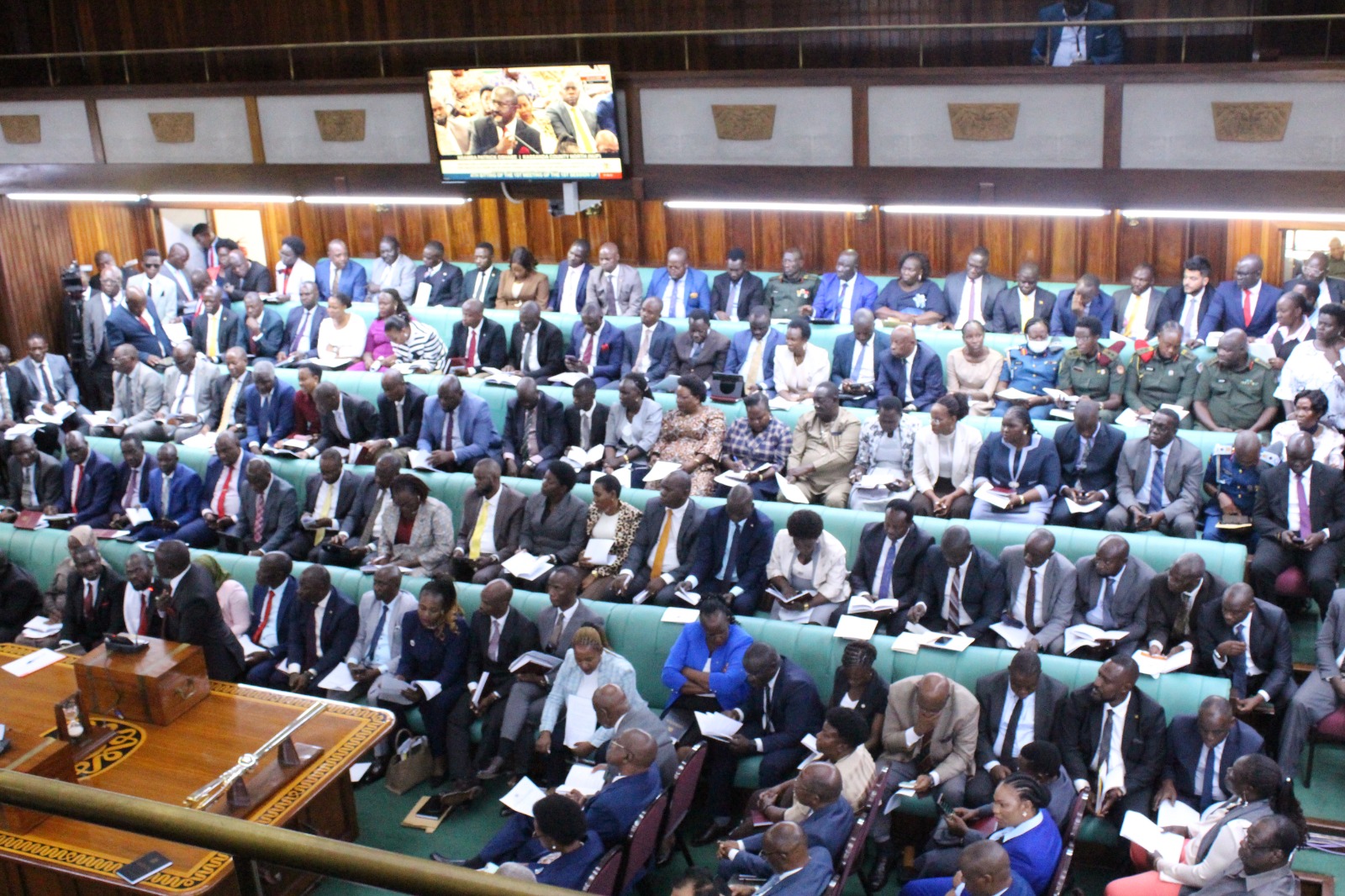
While the members of the ruling NRM overwhelmingly supported the loan request, some opposition legislators raised concerns about accountability and the management of previous loans obtained by the government.
Despite the concerns, Parliament approved the borrowing request, clearing the way for the implementation of the irrigation projects aimed at strengthening Uganda’s agricultural sector.