The government of Uganda and Germany are set to pilot a renewable biogas project in government-aided schools as part of efforts to reduce spending on firewood and other cooking fuels.
Under the project, the German government will invest more than Shs 5 billion, beginning with schools in Mubende Municipality. The initiative will convert organic waste into biogas that can be used for cooking and lighting in schools.
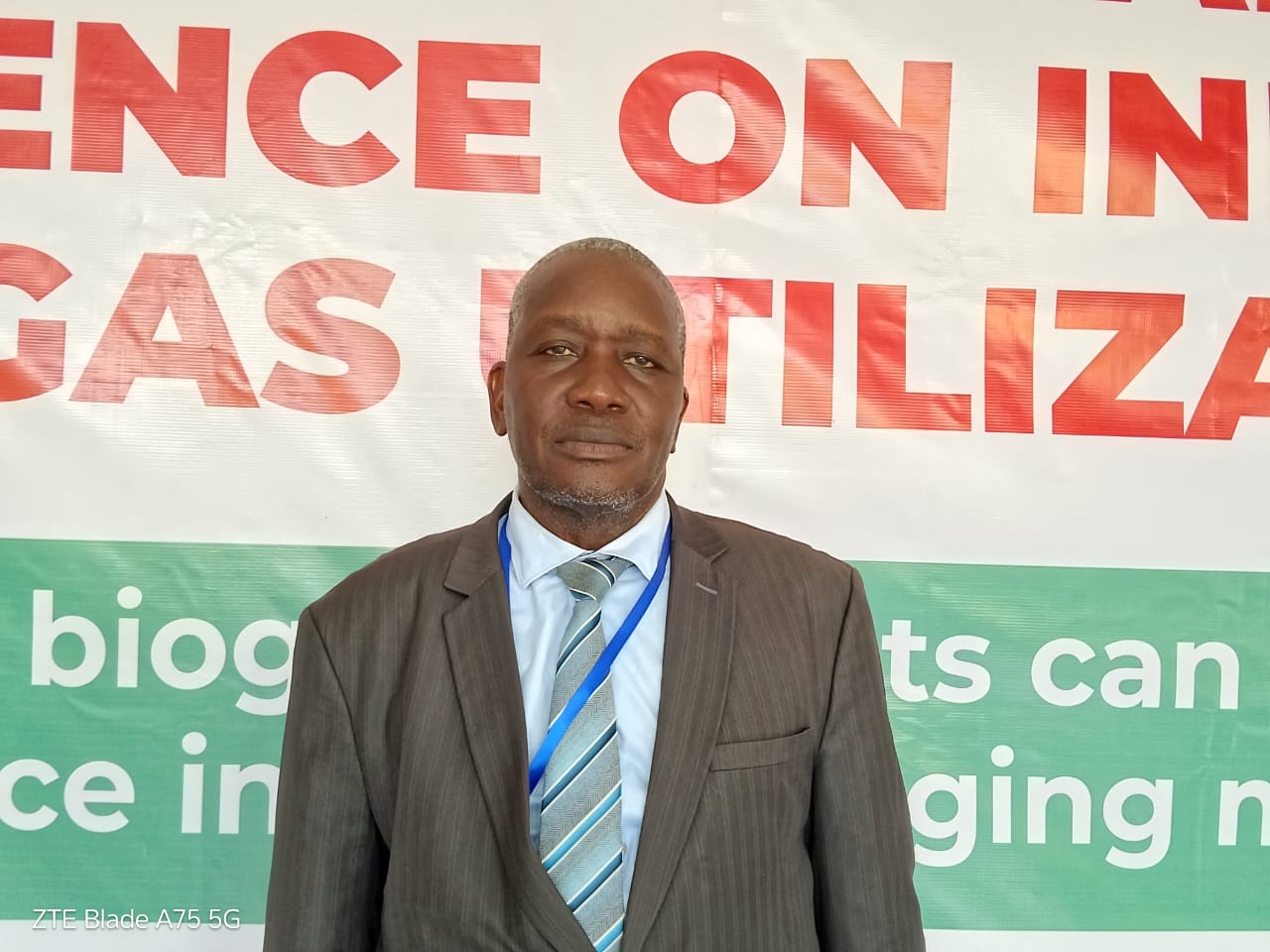
The development was announced by Anita Schneider, the governor of Giessen district in Germany, during the Innovation Biogas Utilisation Conference held at the International University of East Africa (IUEA) in Kansanga, Kampala.
Schneider urged local governments to prioritise biogas programmes, saying they offer practical solutions to both energy and environmental challenges.
“Biogas programmes should be prioritised by every municipality. This is not just a conference, but a forum for local leaders to take interest in sustainable energy solutions,” she said.
The three-day conference brought together policymakers, local leaders, academics, environmental experts and development partners to discuss ways of expanding biogas use across Uganda and Africa.
While officiating at the conference, the permanent secretary in the ministry of Water and Environment, Alfred Okot Okidi, called on participants to apply the knowledge gained from the workshops to transform their communities environmentally and economically.
He said the government has already put in place strategies aimed at promoting the adoption of biogas technology across the country.
“Biogas is not only an energy-saving solution, but it also creates other opportunities. It helps reduce the destruction of forests and produces manure that can be used in agriculture, alongside many other social and economic benefits,” Okidi said.
Prof. Emeka Akaezuwa, the Vice Chancellor of the International University of East Africa (IUEA), said Uganda and other African countries should focus on turning waste into wealth instead of allowing garbage to accumulate and become a public health risk.
He said the university has invested in biogas-related academic programmes and continues to champion the promotion of biogas technology across the continent.
“At the university, we offer various programmes that enable students to study biogas technologies, and we remain committed to promoting biogas usage in Africa,” Akaezuwa said.
Mubende Municipality mayor Innocent Ssekiziyivu welcomed the project, saying it would help government schools reduce expenditure on cooking and lighting.
He thanked the project’s sponsors but noted that many local leaders still lack sufficient knowledge about biogas technology.
Ssekiziyivu called for increased sensitisation and awareness campaigns to help leaders and communities understand the benefits of biogas and embrace its use.
Meanwhile, several Ugandans who have already adopted renewable and clean energy technologies showcased biogas innovations and products during the conference.
They shared experiences on how biogas has helped reduce energy costs, improve sanitation and create additional income opportunities.