The Ministry of Information, Communication Technology (ICT) has developed a government digital registry aimed at coordinating ICT initiatives and projects across all government ministries, departments, and agencies.
Sophie Nantongo, the undersecretary at the ministry, said the registry will help improve e-government operations and accelerate Uganda’s digital transformation strategy.
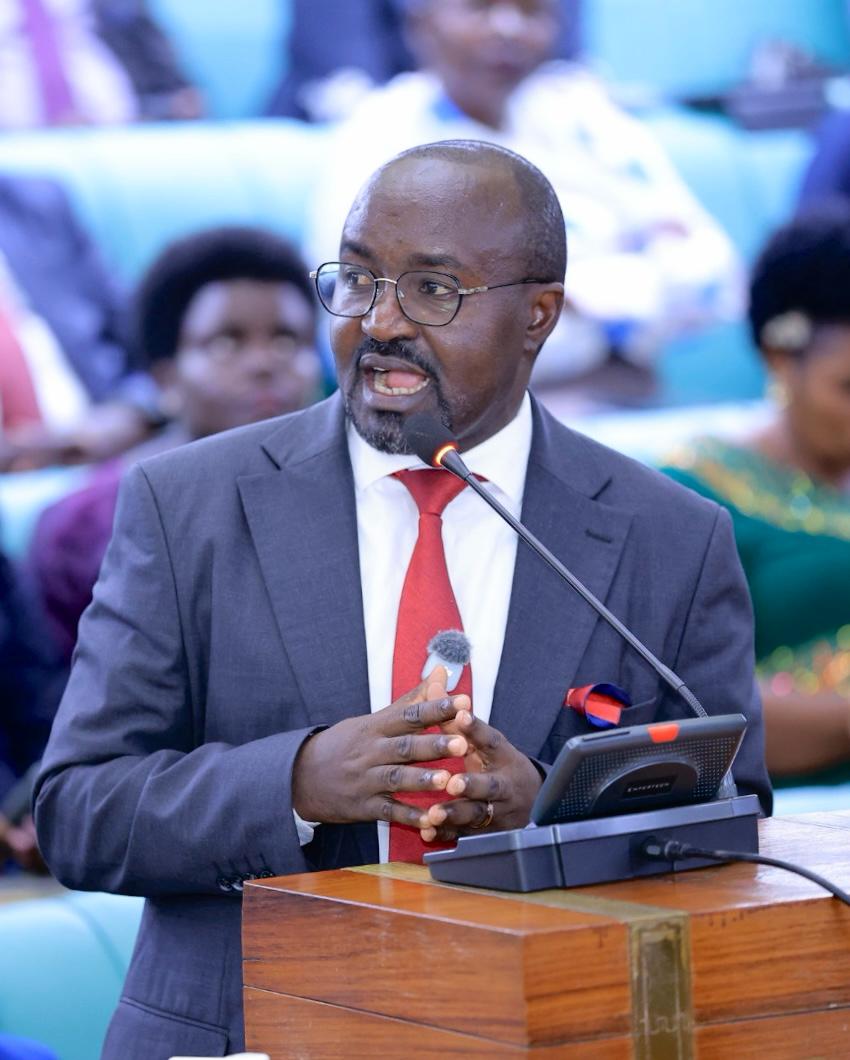
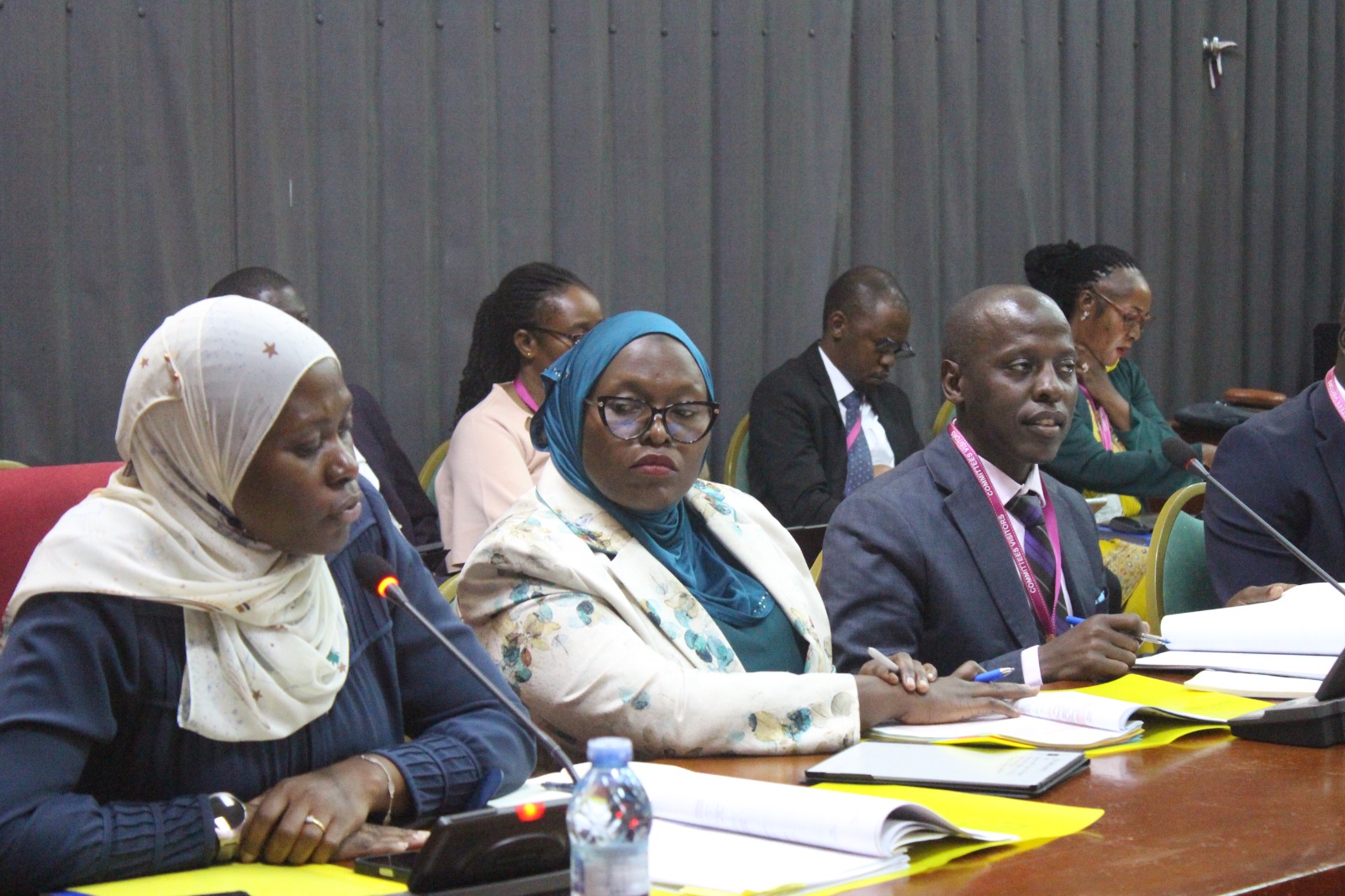
Nantongo made the remarks while representing the Permanent Secretary, Aminah Zawedde, during a meeting with the Parliamentary Accounts Committee at Parliament on Wednesday morning.
The officials had appeared before the committee to respond to queries raised in the Auditor General’s report for the financial year that ended on June 30, 2025.
“We have developed a government digital registry where we are providing data to all government ministries, departments, and agencies to improve e-government operations and fast-track the digital transformation strategy,” Nantongo said.
She added that several skilling initiatives implemented through the Uganda Communications Commission and the National Information Technology Authority-Uganda had helped empower youths, women, and persons with disabilities across both the formal and informal sectors.
Nantongo said the ministry was still engaging the Ministry of Finance, Planning, and Economic Development to secure additional funding to expand the initiatives across the country. [WATCH VIDEO]
The ministry also told the committee that several postal offices had been upgraded to serve as one-stop centres for government services in partnership with the Ministry of Public Service.
According to officials, postal offices in Kitgum, Gulu, Masaka, Lira, Luwero, Arua, Entebbe, Hoima, Kasese, and Busia have already been upgraded.
Works are still ongoing at the main post office in Kampala, which will coordinate and link agencies such as the National Social Security Fund (NSSF), Uganda Revenue Authority (URA), Directorate of Citizenship and Immigration Control, and the Uganda Registration Services Bureau to improve service delivery.
Out of the 45 postal offices across the country, the ministry said the pilot phase began in 19 traditional districts and would later expand when more funding becomes available.
Amos Mpungu, the senior IT officer and commissioner for research and development at the ministry, said the digital registry would help the government take stock of existing systems and identify entities with specific digital platforms.
“We shall map those entities to business processes and later link the already digitised systems to those that are still pending so that government services can be delivered more efficiently,” Mpungu said.
However, the committee chairperson, Goretti Namugga, urged the ministry to invest more in capacity building so that citizens can effectively use existing technologies.
Namugga also asked the government to appoint capable and qualified people in ministries, departments, and agencies to ensure digital systems are properly managed.
She expressed concern that the ministry was moving slowly in implementing digital transformation and linking e-government services despite the limited resources allocated to it.
“Your coordination is key in boosting market access, education, healthcare, trade, and commerce,” she said.
Committee members also raised several concerns during the meeting.
Ethel Naluyima, the Woman MP for Wakiso, urged the ministry to work closely with districts so that services can reach people more easily.
On the rollout of ICT infrastructure across the country, Nantongo said the project was ongoing with funding from the World Bank and the Government of Uganda.
Geofrey Aogoi, commissioner for ICT and development, said the project includes construction of masts, trenching works, and development of a database for road works and utilities such as electricity and water.