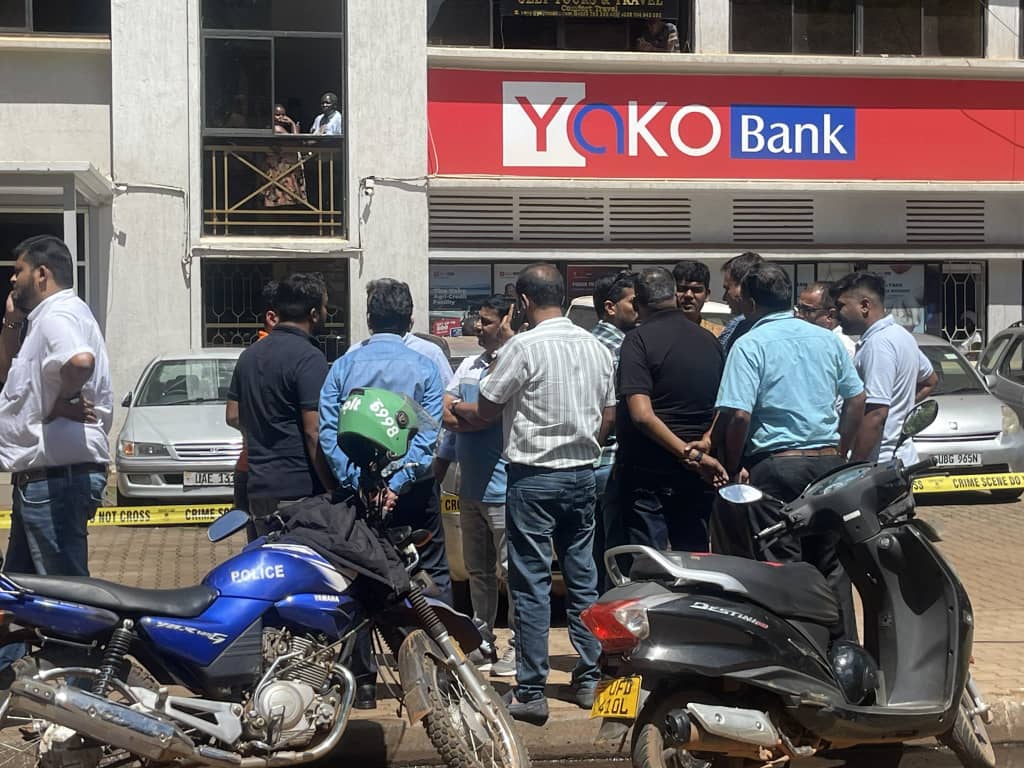
On November 4, 2021, Yako Bank Uganda advanced Eliab Mugash a loan of Shs174 million, which was to run for two years.
The loan attracted 20% interest per year, so by the end of the loan period, Mugash was expected to pay back a total of Shs212.4 million, which included both the borrowed money (principal) and interest.
He started repaying the loan in bits and pieces, and at some point, it appeared as if he had cleared it.
However, Agnes Namala, Yako Bank’s head of credit, says an internal review by the bank raised serious questions.
The bank discovered that some of the payments used to clear the loan were allegedly fraudulent.
For instance, Namala said that on June 5, 2023, Shs 64 million was transferred from the account of 5 Point Investment Limited, another customer of the bank. The money was then credited to Mugash’s account.
According to the bank, Shs62.9 million from that transfer was used to settle Mugash’s loan balance, while Shs1 million was withdrawn in cash a few days later.
The bank says the payment was not legitimate because the funds came from another customer’s account, their veiw Mugash never genuinely paid off the loan.
Because of this, the bank claims that Shs106 million is still outstanding, so it went to court to allow it to amend its original lawsuit so that it could formally claim recovery of that money until it is fully paid.
The request was opposed by Mugash and other respondents. They argued that the bank’s request to amend the lawsuit was unnecessary and unfair and that the issues the bank wanted to add were already covered in the original case.
Mugash said the bank was simply fishing for new arguments and that the amendment would introduce a new cause of action and weaken his defence.
“The proposed amendment amounts to a ‘fishing expedition,’” Mugash said, according to his affidavit.
Mugash’s lawyers argued that the affidavit filed by Namala should be rejected because she did not attach written authorization from the bank allowing her to swear the affidavit.
However, Justice Patricia Kahigi Asiimwe, who presided over the matter, rejected the argument, saying Namala’s position as head of credit meant she had sufficient knowledge about the bank’s operations and the loan in question.
With that objection dismissed, she turned to the main question: whether the bank should be allowed to amend its lawsuit.
Justice Asiimwe explained that courts generally allow amendments so that the real issues in dispute can be decided fairly and cited long-standing legal principles that say amendments should be allowed if they do not unfairly harm the other side.
“The court may, at any stage of the proceedings, allow either party to alter or amend his or her pleadings,” she said.
She said allowing the change would not unfairly prejudice Mugash or the other respondents and would instead help the court deal with the real disagreement between the parties.
Justice Asiimwe also added that allowing the amendment would also prevent the filing of multiple lawsuits over the same issue.
In the end, she told Yako Bank to file its amended lawsuit within 10 days.
The issue of whether Mugash actually owes Yako Bank Shs106.5 million will be determined later when the full case is heard.
For now, Justice Asiimwe’s decision simply allows the bank to update its lawsuit so that the court can properly examine the dispute.