Civil society activists in Uganda have urged the government to prioritise sexual and reproductive health services, warning that many adolescent girls in the country continue to face serious challenges in accessing quality care.
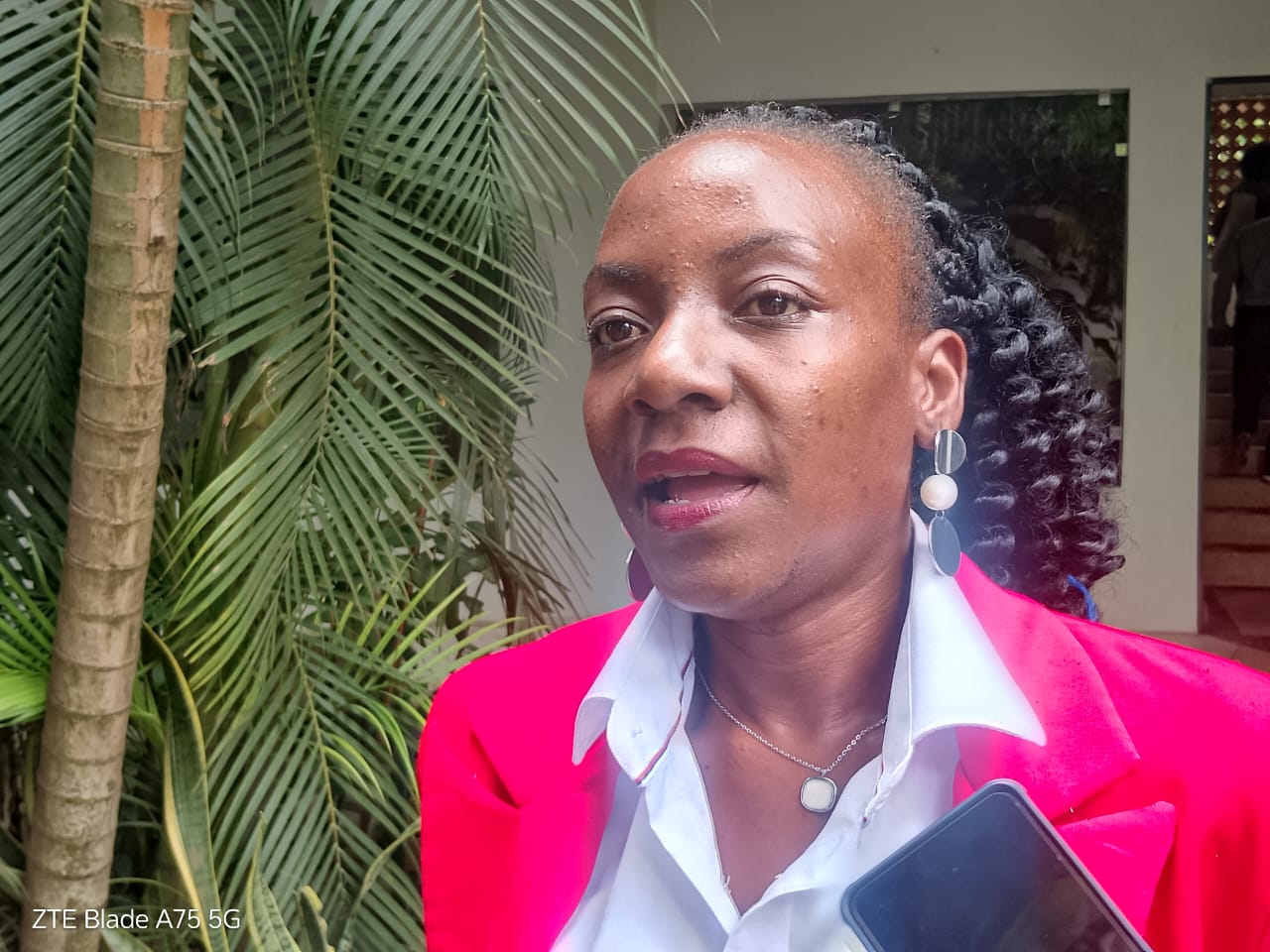
Olgah Daphynne Namukuza, the country director of Sexual and Reproductive Health and Rights (SRHR), said the reproductive health situation of adolescent girls remains worrying and requires urgent attention from all stakeholders.
Namukuza said the quality of healthcare available to adolescent girls is still inadequate, which affects their physical and mental well-being.
“In this regard, all stakeholders, including civil society organisations and government institutions, must work together to ensure that sexual and reproductive health among adolescent girls is improved,” she said.
She added that the state of reproductive health in the country remains alarming, noting that some girls suffer mental health challenges as a result of poor access to proper reproductive health services.
Namukuza called on key government ministries to take a leading role in addressing the problem.
“The Ministry of Gender, Labour and Social Development, the Ministry of Health, the Ministry of Education, and other relevant institutions must take the lead in ensuring that this issue is addressed,” she said.
SRHR is a civil society organisation that advocates for the well-being of adolescent girls and promotes access to quality sexual and reproductive health services.
The remarks were made during the SRHR partnership meeting, which brought together stakeholders to discuss ways to improve reproductive health services for young people.
At the same meeting, Emmanuel Muliisa, the coordinator of the Parliamentary Forum on Youth Affairs, applauded SRHR for its continued advocacy on behalf of young people.
Muliisa said the forum was formed to ensure that the youth in the country have better opportunities and improved livelihoods.
“The Parliamentary Forum on Youth Affairs focuses on key issues such as budget advocacy and policies that help young people address their needs and challenges,” he said.
He added that collaboration between civil society organisations and policymakers is essential in advancing programmes that support the health and well-being of young people.