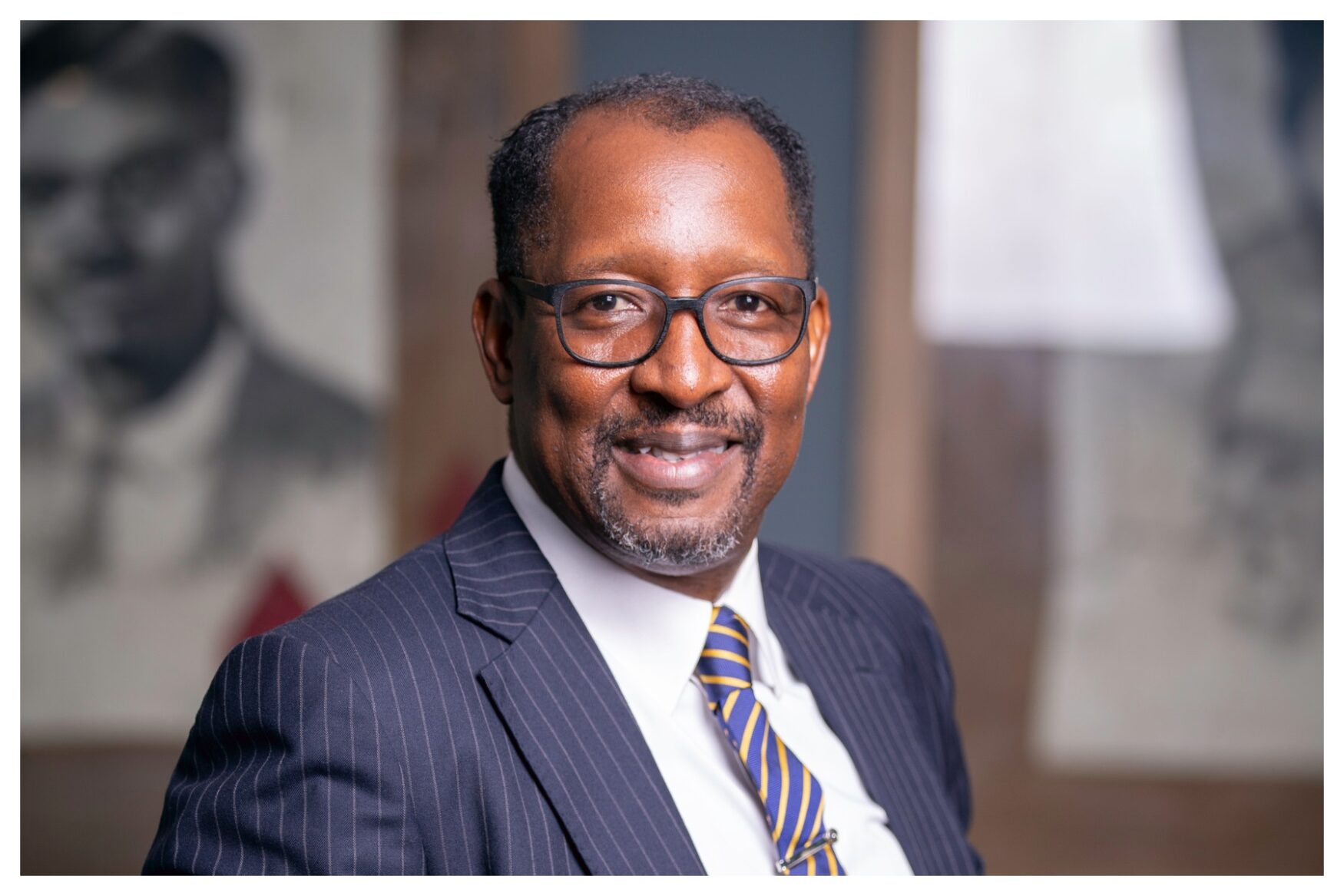
One Friday afternoon in late 2019, about 150 employees of Next Media crammed the basement parking lot at Media Plaza to listen to Richard Byarugaba, the then managing director of the National Social Security Fund (NSSF).
Byarugaba had been invited as a special guest at Next Media Talks, a monthly get-together for staff where the company invites eminent people to talk to staff about various aspects. It could be health, it could be career growth, it could be love relationships, and anything in between.
Byarugaba, who was dressed in a cream turtle neck shirt with a black jacket and a black pair of suede moccasins, was there to talk about the saving culture.
As he sat beside Kin Kariisa, the Next Media CEO, Byarugaba appeared pretty comfortable because he was there to preach a gospel he had repeated countless times while in office: save diligently, live modestly, and retire early if you can.
He started his talk with a question: Why is an askari or a vendor who earns Shs 200,000 per month able to live within his/her means and even save a little, yet some of you who earn more than Shs 2 million struggle to save even Shs 100,000 per month and are always in debt?
“It is because they want to live like some of us,” Kariisa chipped in jokingly, drawing laughter. “Yes, some of you want to hold a phone of Shs 1 million, yet I pay you like Shs 1.5 million.”
Byarugaba took back the stage.
He said if employees like those of Next Media cannot save diligently, then they will struggle to retire.
He then narrated a personal story to illustrate his point.
“Personally, I carry my drinking water from home,” he said casually. He estimated that this simple habit saved him more than Shs 200,000 every month because he does not have to buy bottled water.
Then he went a step further. One of his children, he revealed, had savings of more than Shs 50 million, money accumulated over the years from disciplined saving.
You could hear a pin drop as Byarugaba spoke in a shrill voice (he is high-pitched). The room was silent.
“So what do you have to do to save more?” he asked.
Then he answered his own question: “You have to stop wasting money on things like bottled water. You have to stop going out every night. You have to be intentional about what you want in life. This will make things easier and may be you will even be able to retire early and allow Kariisa to bring in fresh blood,” he said, looking in the direction of Goretti Kyeswa, a veteran news producer.
There was a thunderous applause, and before long, he bid farewell.
On that night, Byarugaba was persuasive.
Fast forward: Three years later, in 2022, Byarugaba’s contract as NSSF managing director was not renewed by the board on the advice of the minister for Gender and Labour, Betty Amongi.
Amongi insisted that Byarugaba had clocked 60 years, the mandatory age of retirement. Byarugaba, who had created the impression in the NBS meeting that his future was well secured, protested.
He insisted that the amended NSSF Act allowed for his reappointment. Amongi stuck to her guns, forcing Byarugaba to go to court to challenge the decision.
He argued that he had been unfairly pushed out, despite the strong performance of NSSF and board backing. In 2024, the High Court disagreed with him and ruled that Amongi had acted within her powers.
Byarugaba lost the case, and his NSSF chapter was officially closed.
Yet for someone who had spent over a decade urging Ugandans to prepare for retirement, this was a brutal end to his reign. The fund, which he served as MD from August 1, 2010, did not even hold a farewell party for him.
He set off for retirement, at least that is what many of us thought. We were wrong.
Less than a year after the court debacle, Byarugaba was back on the streets, job hunting. He applied for senior positions in government agencies, but without success.
Last year, he applied for the powerful position of executive director of Kampala Capital City Authority (KCCA) after Museveni sacked Dorothy Kisaka following the Kiteezi landfill saga.
He lost the job to Sharifah Buzeki.
Some wondered: If someone like Byarugaba, who served in senior positions at Nile Bank, ABSA, and NSSF, was still job hunting, what happened to his retirement nest egg?
There was no clear answer.
This week, President Museveni appointed him senior presidential advisor on exports and industrial development, bringing him back from the “cold”.
As an experienced former banker and fund manager, some people have argued that Byarugaba will give valuable advice to Museveni, which will improve our economy.
This could be true.
Yet to some, Byarugaba’s appointment confirmed a long-held suspicion about some of Uganda’s elite.
They may appear to be financially secure at some point, and many will constantly offer investment and retirement advice to young people entering the job market (“Start planning your retirement the day you get a job”).
However, they will not follow the same advice. Like Byarugaba, they are here to stay.