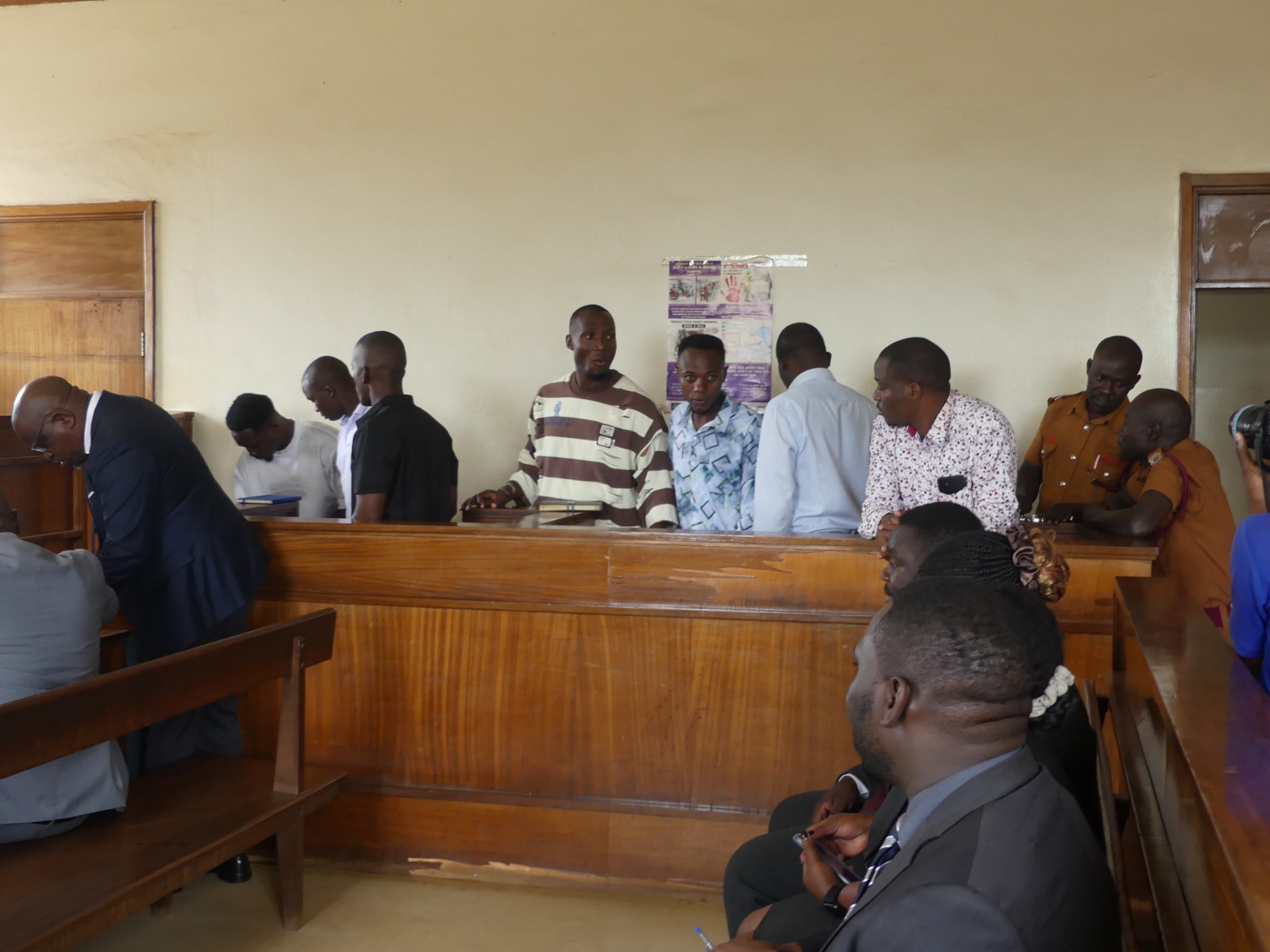

The Industrial Court has ordered Nile Agro Industries to pay its former employee Shs 15 million after it unfairly and unlawfully terminated her contract.
In a judgment, the court said Prossy Namuli was asked to stop working without notice, without pay, and without any formal explanation, a practice the court described as unlawful and unfair in labour relations.
Namuli joined Nile Agro Industries in May 2011 as a sales executive, earning Shs 400,000 a month. Over time, she rose through the ranks and by 2015 was acting as a depot manager, although she told the court that the company never issued her a formal promotion letter.
In June 2018, Nile Agro changed her contract and placed her on a commission-based arrangement, giving her a consolidated monthly income based on sales performance.
According to her testimony, the company failed to pay her salary from May to August 2019. When she followed up, she discovered that her immediate supervisor had allegedly been under-declaring her sales figures, making it appear as if she had not met her targets.
She told the court that after discovering the discrepancy, she raised the issue with the general manager in November 2019. Instead of investigating her complaint, she was told to stop working immediately.
“I was directed to cease work immediately, without any investigation or disciplinary hearing,” Namuli said in court.
From that point, Namuli did not return to work. In March 2020, she received a phone call from the human resources manager informing her that her employment had been terminated.
In court, Nile Agro denied firing Namuli.
Through its lawyers, the company argued that it temporarily downsized staff due to financial difficulties linked to Covid-19. It claimed employees, including Namuli, were asked to stay away from work until operations stabilised.
The company further argued that Namuli chose not to return to work and instead “unilaterally terminated her employment relationship”.
It also denied knowledge of any under-declaration of sales and said all terminal benefits had been paid.
However, Nile Agro did not appear at the hearing to back up these claims. The court allowed the case to proceed ex parte after finding that the company’s lawyers had been properly served but failed to attend.
The fall of Ashish Patel, a manager at Nile Agro Industries who stole Shs 1.8 billion
The judges found Nile Agro’s Covid-19 explanation unconvincing.
Justice Anthony Wabwire Musana noted that Namuli was told to stop working in November 2019, months before Covid-19 reached Uganda.
The court also criticised Nile Agro for failing to provide any written evidence of downsizing.
“There is no circular or letter advising Namuli or any of the Nile Agro Industries employees of the downsizing. In employment jurisprudence, fairness stands out as a large neon sign or billboard of rights,” Justice Musana said.
On the claim that Namuli had absconded from work, the court was equally firm.
“It is not open to an employer to assume that an employee has absconded,” he ruled.
Court found that by telling Namuli to stay away from work and later terminating her verbally, Nile Agro had effectively carried out a summary termination without notice.
Justice Musana concluded that Namuli was unfairly and unlawfully terminated and awarded her Shs 15.7 million in general damages.
The court declined to award punitive damages, saying Nile Agro’s conduct, though unlawful, did not meet the high threshold required to punish an employer.
The ruling highlights a recurring problem in Uganda’s labour market, where workers are often dismissed orally and left without income.
Justice Musana emphasised that employers must act fairly and transparently, especially when livelihoods are at stake.
“Fairness, in all matters labour, stands out as a large neon sign,” the court said, warning employers against informal and arbitrary decisions that leave workers stranded.