
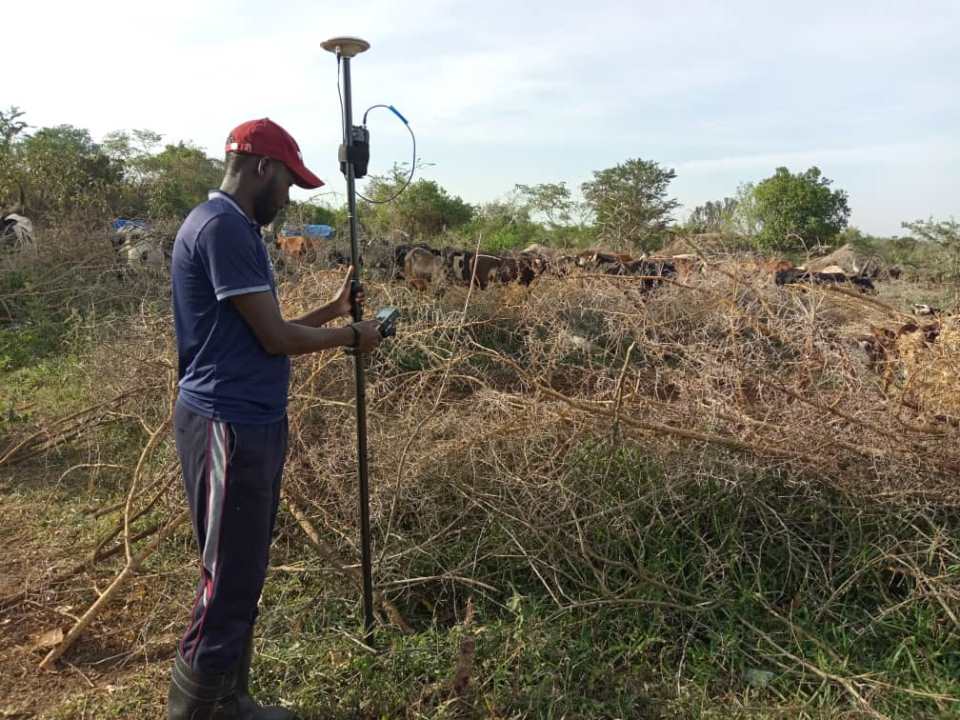
The Surveyors Registration Board-Uganda (RSU) has protested a decision by the government to suspend all land surveying activities nationwide ahead of the 2026 general elections, warning that the directive is illegal, harmful to the economy, and risks paralysing land administration.
In a formal response to the ministry of Lands directive suspending land surveys, the chairman of the board, Dr Ronald Ssengendo, says the decision was made without consultation and exceeds the ministry’s mandate under the Surveyors Registration Act.
“The Surveyors Registration Board strongly objects to the blanket suspension of all land surveying activities across the country,” he wrote in a letter dated December 18, 2025, adding that only the board has statutory authority to regulate and discipline surveyors in Uganda.
Last week, the ministry ordered an immediate halt to all public and private land surveying activities until after the general elections, citing rising land conflicts, evictions, and political tensions linked to boundary demarcations and subdivisions.
The board, however, argues that while land disputes are real, suspending surveys is not the solution.
Land wrangles and evictions have become a flashpoint in Uganda’s political campaigns, with candidates increasingly using disputed land ownership to rally support and accuse opponents of land grabbing.
But the surveyors warn that the directive risks politicising a technical profession and punishing law-abiding practitioners.
“The board was neither consulted nor notified before issuance of this directive, yet it directly affects the livelihoods of registered surveyors and the public they serve,” the letter reads.
The board also raises concern about the economic impact of the suspension, saying land surveys underpin banking, construction, infrastructure development, and land registration.
The ministry had justified the suspension by arguing that surveying activities have triggered evictions and social unrest in some areas, particularly during the politically charged pre-election period. It warned that continued surveys could undermine peace and security.
The board disputes this reasoning, saying unlawful evictions and misuse of survey reports should be addressed through enforcement and prosecution, not a blanket ban.
“Where surveyors have acted unprofessionally, the law already provides mechanisms for investigation and sanction. Collective punishment of the entire profession is unjustified and contrary to the law,” Ssengendo writes.
With campaigns intensifying, land ownership, boundaries, and evictions have become emotive subjects shaping voter sentiment across the country.
The Surveyors Registration Board has asked the ministry to immediately rescind the directive and instead engage stakeholders to develop targeted measures that address land conflicts without paralysing lawful land administration.