MPs have welcomed plans to introduce a regional payment system for East African Community (EAC) member states, saying it could speed up economic integration, reduce the cost of cross-border transactions and make trade easier.
However, MPs have warned that the initiative risks achieving little if traders, particularly those operating at border points, are not informed about how the system works and how they can benefit from it.
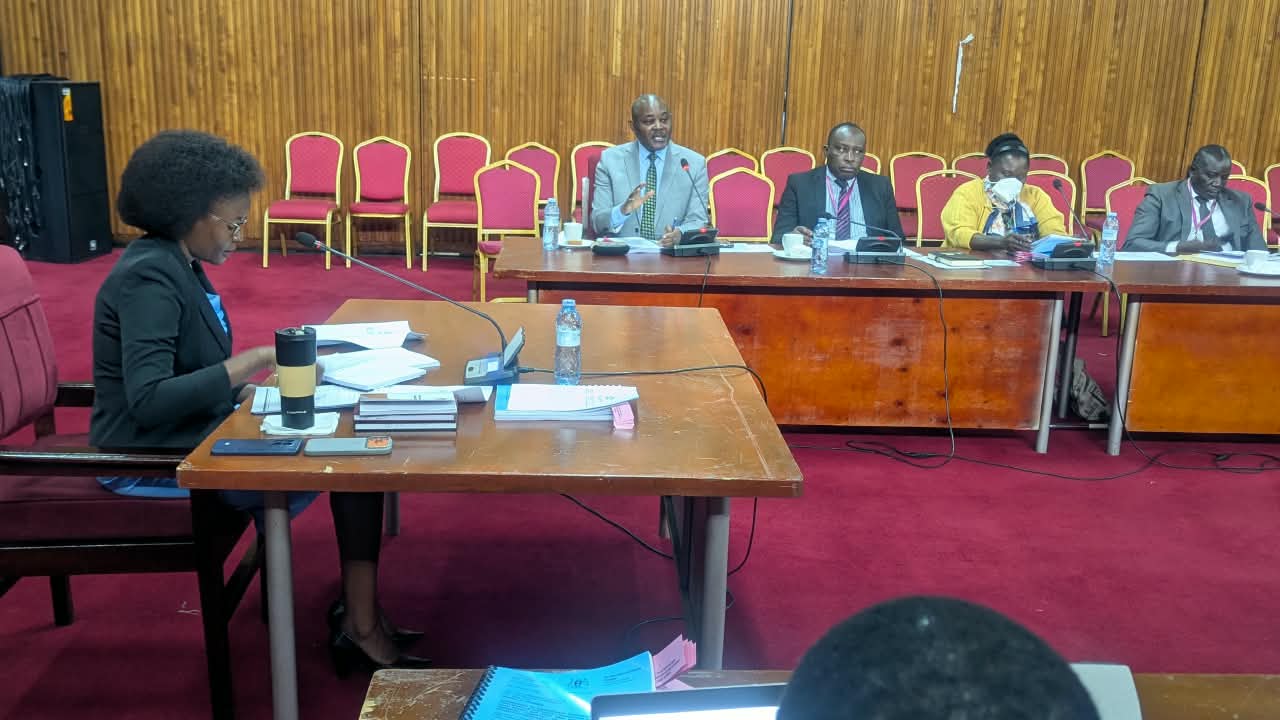
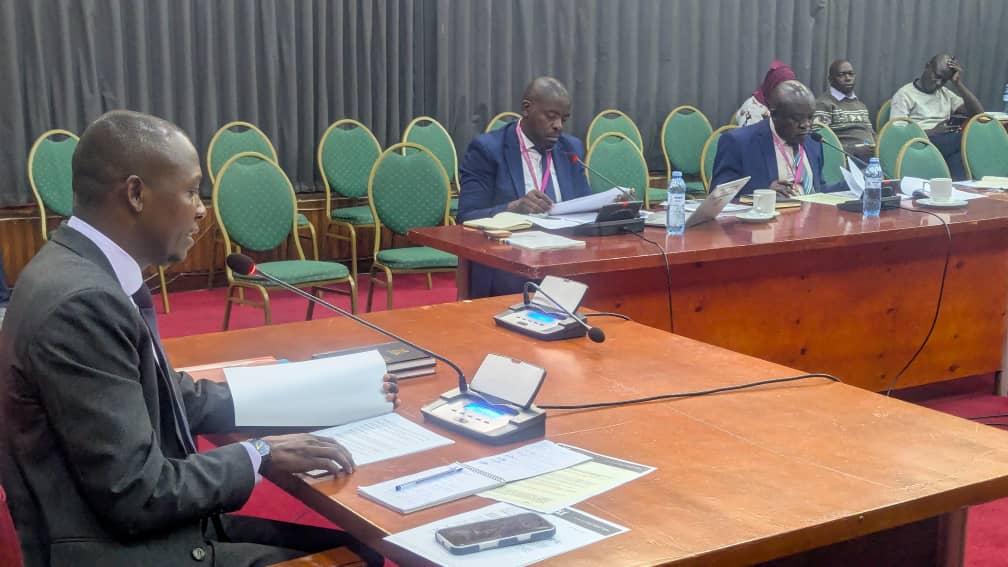
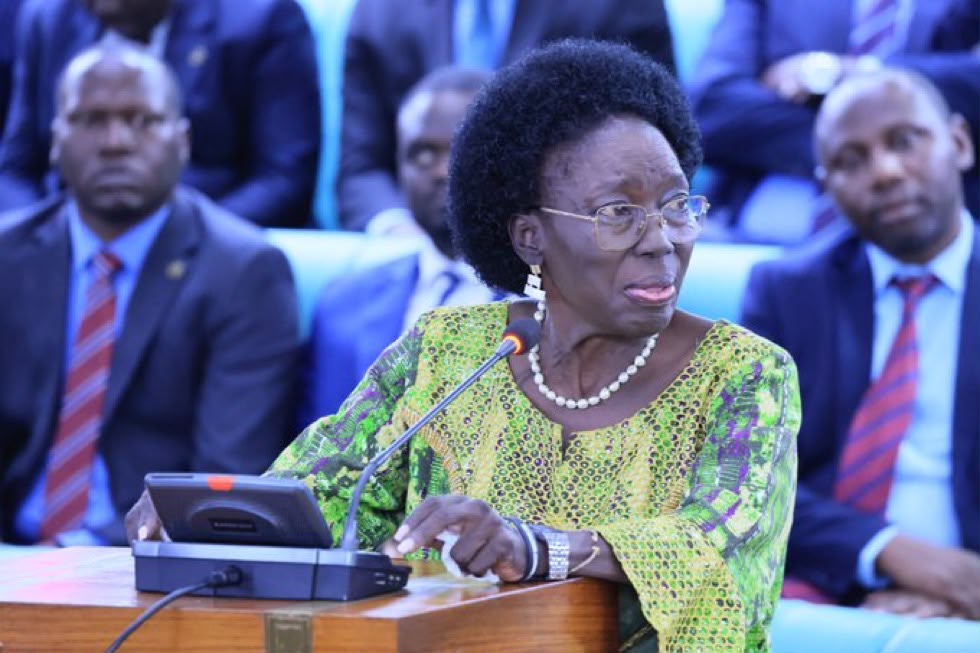
The concerns were raised during a parliamentary debate on a statement by First Deputy Prime Minister and Minister for East African Community Affairs Rebecca Kadaga, who outlined plans to promote the East African Payment System.
Hakim Kizza Sawula, the Shadow Minister for East African Community Affairs, welcomed the proposal but said many traders who conduct business across Uganda’s borders were still unaware of the initiative.
“The regional payment system is welcome, but very few of our traders at border points are aware of it,” Sawula told journalists at Parliament.
He called on the government to launch an extensive public awareness campaign to educate traders and business owners about the system before its implementation.
Kadaga explained that the payment system is designed as an integrated and secure financial messaging and settlement network that will connect the real-time gross settlement systems of central banks in the region.
She said the system would allow payments to be processed through electronic instructions sent between commercial banks and central banks, rather than physically moving money across national borders.
The arrangement is expected to operate similarly to the international SWIFT financial messaging network and the Pan-African Payment and Settlement System (PAPSS), but with a focus on transactions conducted in regional currencies.
This is expected to make cross-border trade easier by allowing businesses to make and receive payments in local currencies, reducing their dependence on foreign currencies such as the US dollar.
However, Sawula questioned how effective the system would be if regional businesses continued to rely heavily on the dollar to import manufactured goods.
He noted that the rising cost of the dollar, coupled with the depreciation of the Ugandan shilling, continued to put pressure on traders and increase the cost of doing business.
Sawula proposed several measures that he said would be necessary to make the regional payment system effective.
These include ensuring that commercial banks comply with the requirements, introducing an aggressive public awareness campaign, accelerating the integration of national payment switches and establishing a regional liquidity guarantee fund.
He also called for the fast-tracking of a regional cooperative oversight framework to strengthen coordination and supervision among participating financial institutions.
Other MPs also supported the initiative, saying it could improve trade and strengthen economic cooperation among member states.
Omara Paul, the MP for Otuke County, commended the proposal, saying it would help establish a multi-currency payment system that allows businesses to transact using different regional currencies.
He said the arrangement would help member states agree on a payment framework suitable for the region and strengthen economic integration.
Julius Nakiyi Muntu, the MP for Budadiri County East, argued that the government should first accelerate the establishment of the East African Monetary Union, which is expected to pave the way for a single regional currency.
He said Ugandan traders continued to face challenges, including double taxation, which made cross-border business expensive.
John Baptist Nambeshe, the MP for Manjiya County, asked Kadaga to address practical challenges that continue to undermine regional integration.
He said it remained difficult for some Ugandans to open bank accounts or own property in Kenya, questioning how the community could achieve meaningful integration when citizens still faced such restrictions.
Molly Kamukama, the Kazo Woman MP, urged Uganda to address challenges within its own integration arrangements before expecting other member states to fully embrace regional integration.
Sanjay Tanna, the MP for Tororo Municipality, called for the full integration of South Sudan and the Democratic Republic of Congo (DRC), saying their inclusion would expand market access for goods and services produced within the region.
Fred Jalameso also questioned why Tanzania continued to require Ugandans to obtain work permits, despite the regional bloc’s commitment to the free movement of people.
He further asked the minister to explain how much the proposed payment arrangements would reduce transaction costs for traders.
Responding to the concerns, Kadaga said the government was also pushing for the establishment of the East African Central Bank, with Uganda among the possible locations being considered to host the institution.
She said South Sudan and the DRC were part of the regional integration agenda, but acknowledged that the community would continue moving forward with partner states that were ready to implement agreed commitments.
Kadaga reminded MPs that regional integration was a gradual process that required member states to move through different stages before achieving the ultimate goal of a fully integrated community.
She urged Parliament to support the process and help address the challenges slowing down implementation.
Anthony Angura, the MP for Tororo South, said regional integration appeared to be concentrated among political leaders, with ordinary citizens still struggling to understand what the process meant for them.
Wilson Kajwengye, the MP for Nyabushozi County, said the future of African people depended largely on stronger regional integration.
He called on Parliament to receive regular updates on the opportunities and challenges within the EAC, adding that greater engagement among Speakers of the East African Legislative Assembly and national parliaments would help accelerate the process.
Rose Obiga, the Terego District Woman Representative, raised concerns about delays in clearing goods at border points, saying traders continued to experience difficulties that needed to be addressed.
Kadaga responded that the time taken to clear goods at some border points had improved from five days to one day.
Speaker Jacob Markson Oboth asked the minister to prepare another statement detailing the activities, achievements, opportunities and challenges within the regional community.