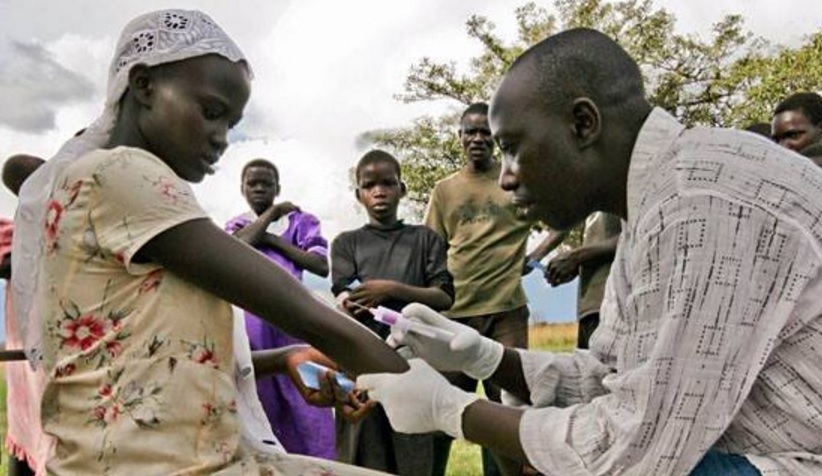
Uganda’s HIV prevalence has remained at about 5.9 per cent, with women continuing to carry a higher burden of the virus than men, according to preliminary findings from the latest Uganda Population-Based HIV Impact Assessment (UPHIA).
The findings show HIV prevalence among women at 7.3 per cent, compared with 4.1 per cent among men, highlighting the continued gender gap in the country’s HIV epidemic.
The findings were presented following the 2025 UPHIA survey, which collected data on HIV prevalence, treatment, viral suppression and other indicators used to assess Uganda’s progress in controlling the epidemic.
The survey was conducted nationwide and was intended to provide updated evidence to guide the country’s HIV response.
The Ministry of Health worked with the Makerere University School of Public Health, Uganda Bureau of Statistics (UBOS), Uganda Virus Research Institute (UVRI) and the United States Centers for Disease Control and Prevention in implementing the assessment.
The preliminary findings indicate that about 1.5 million people are living with HIV in Uganda.
The figures also show significant differences in HIV prevalence across regions, with South-Western Uganda recording the highest prevalence.
Buganda, followed with a prevalence of 7.3 per cent, while Central 2, or North Buganda, recorded 7.2 per cent.
The regional variations point to the need for HIV prevention and treatment programmes to be tailored to the areas where the burden remains highest.
Young people aged between 15 and 24 years also remain a major concern in Uganda’s HIV response, with health authorities saying the age group continues to face challenges in preventing new HIV infections.
The findings are expected to help the Ministry of Health and its partners identify areas where prevention, testing, treatment and other HIV services need to be strengthened.
The latest assessment is the third UPHIA survey to be conducted in Uganda. The first was carried out between 2016 and 2017, while the second was conducted between 2020 and 2021 after being interrupted by the Covid-19 pandemic.
The Ministry of Health had said the latest survey would provide nationally representative information on HIV prevalence, incidence, viral load suppression and progress towards the UNAIDS 95-95-95 targets.
Under the 95-95-95 framework, countries seek to ensure that 95% of people living with HIV know their status, 95% of those diagnosed are receiving treatment, and 95% people on treatment have suppressed viral loads.
The earlier UPHIA 2020 findings showed that 88% of people living with HIV knew their status, 98% of those diagnosed were on treatment and 90% of those on treatment had achieved viral suppression.
Health Minister Dr Chris Baryomunsi said the latest findings showed that Uganda had made substantial progress in controlling HIV compared with the peak of the epidemic in the late 1980s and early 1990s.
Dr Baryomunsi attributed the progress to efforts by the Government of Uganda, development partners and the United States Government, which has provided long-term support to Uganda’s HIV programmes.
He said the country’s HIV prevalence had fallen sharply from the levels recorded at the height of the epidemic, when prevalence was estimated at about 18.5 per cent.
Recent government statements have also put Uganda’s current HIV prevalence at 5.9 per cent.
Baryomunsi said the new findings would provide the Ministry of Health and its partners with evidence to determine the areas that require greater attention in the fight against HIV.
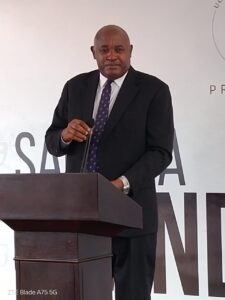
He urged government officials and local governments to use the findings when planning and implementing HIV interventions in their respective areas.
“The report should be a pillar in controlling the virus in our respective areas,” Baryomunsi said.
Mikael Cleverley, the U.S. Chargé d’Affaires in Uganda, said the survey demonstrated the importance of reliable health data in guiding the country’s response to HIV.
Cleverley said the findings showed measurable progress in Uganda’s HIV response while also providing evidence on areas that required continued attention.
He said health data had the potential to save lives when it was properly collected, analysed and used to guide decisions.
Cleverley said Uganda had made progress towards the global HIV treatment targets, particularly in ensuring that people living with HIV are diagnosed, placed on treatment and achieve viral suppression.
“The UPHIA findings demonstrate real, measurable gains in Uganda’s health response to HIV and give us a clear view of where our collective focus must remain,” Cleverley said.
He said the United States Government remained committed to supporting Uganda’s HIV response through different interventions.
The United States has been one of Uganda’s major development partners in the HIV response through programmes supported by the President’s Emergency Plan for AIDS Relief, commonly known as PEPFAR.
The latest UPHIA survey was also supported by the U.S. Government through PEPFAR and implemented with technical involvement from the U.S. CDC.
The findings come as Uganda works towards the global goal of ending AIDS as a public health threat by 2030.