Coffee farmers in Nakwaya village, Kikandwa sub-county in Mityana, have welcomed solar drying and irrigation technologies being promoted by the Joint Energy and Environment Projects (JEEP).
The farmers say the solar dryers will help them dry coffee more quickly and hygienically, reducing contamination from dust and other materials that can affect the quality and market value of their produce.
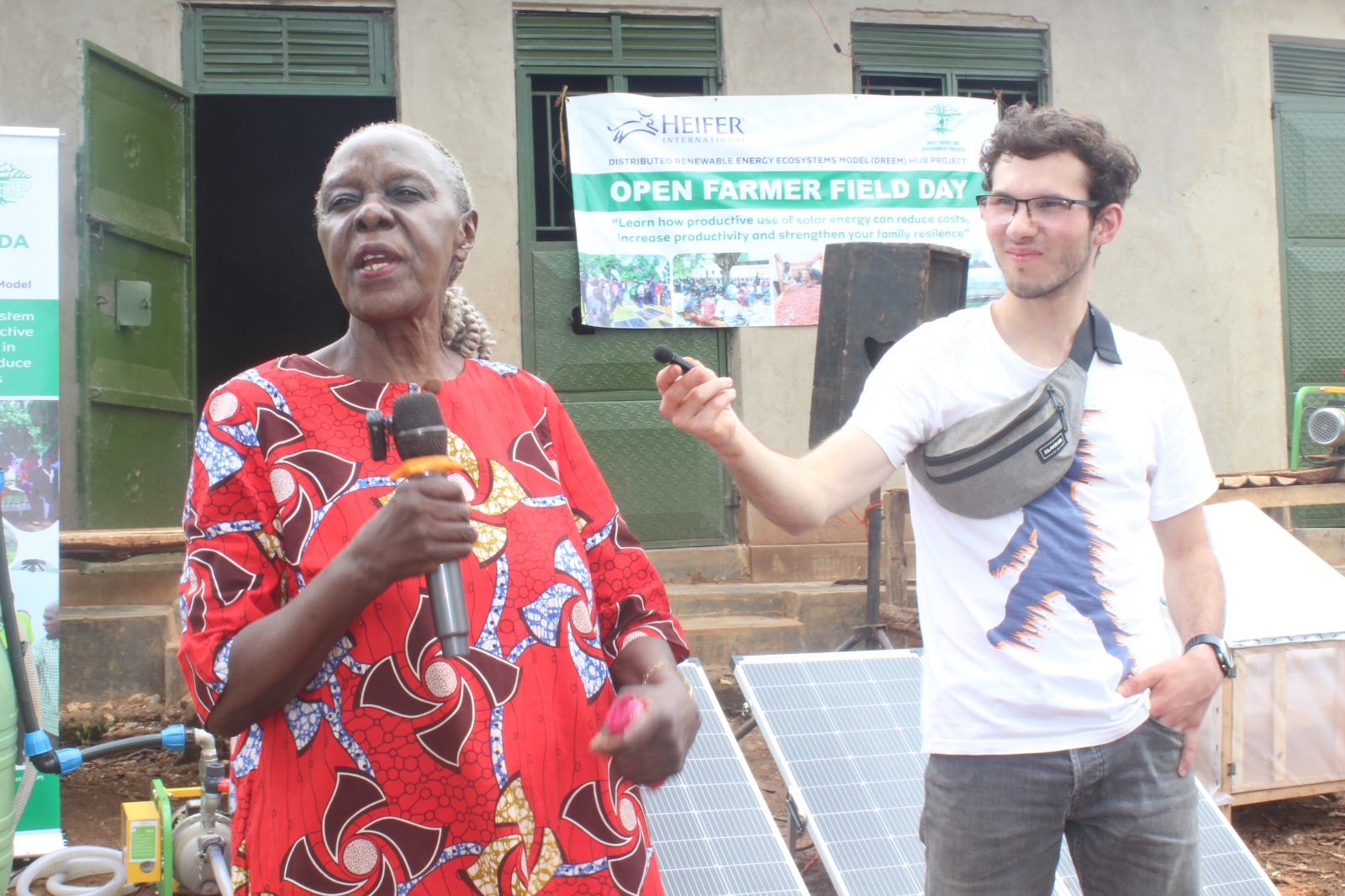
The technologies were showcased during a field visit by JEEP officials to Eden Organic Farm in Kikandwa, where farmers were introduced to the benefits of using solar energy in coffee production and other agricultural activities.
Fred Kagugube, a model coffee farmer, said the solar dryer would help farmers overcome some of the challenges associated with traditional methods of drying coffee.
“We are here to commend JEEP for these technologies that will help us to dry our coffee promptly and therefore make reasonable sales,” Kagugube said.
Kagugube has been practising agriculture for about 14 years. Besides coffee, he keeps bees and grows bananas and fruits, which he says have helped to diversify his income.
He said the solar dryer would enable farmers to produce cleaner coffee for the market by reducing exposure to dust and other contaminants during drying.
Kagugube also welcomed JEEP’s solar-powered irrigation technology, saying it could help farmers continue growing coffee and other crops during dry seasons.
Farmers in the area have increasingly faced changing weather patterns and prolonged dry spells, which affect crop production and yields.
Kagugube said he intends to use the technology to expand his farming activities beyond the 10 acres he currently operates.
He, however, appealed to the Government to address the high cost of fertilisers and pesticides, as well as price fluctuations that affect farmers when they take their produce to the market.
Kagugube said coffee farming has enabled him to educate his children up to university level, meet their medical expenses and expand his farmland from four acres to the current 10 acres.
Other farmers who participated in the field visit also welcomed the technologies, saying access to clean energy could help them reduce production challenges and improve their earnings.
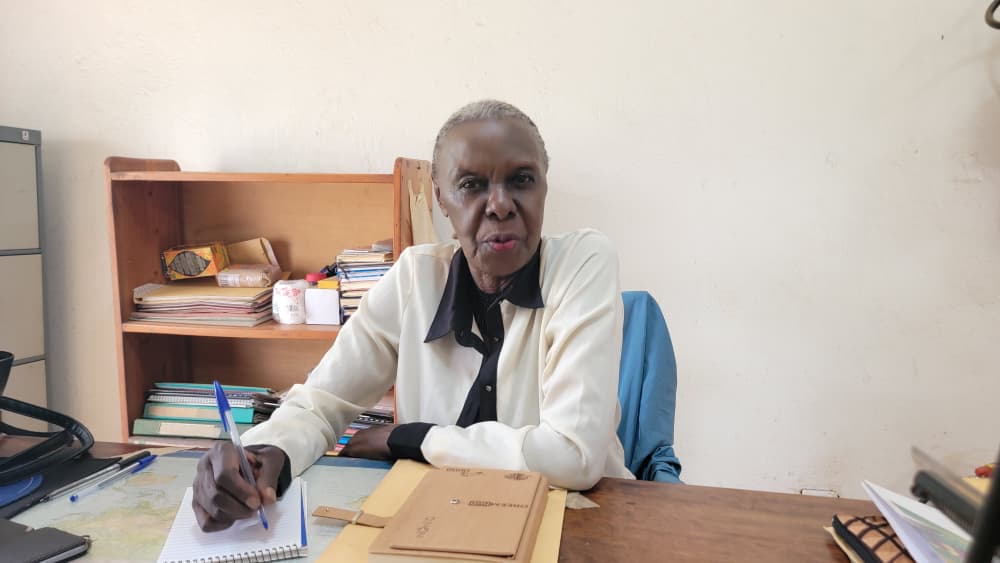
JEEP chief executive officer Ruth Kiwanuka said the organisation was committed to supporting farmers with affordable and environmentally friendly technologies.
She said solar dryers and solar-powered irrigation systems could help farmers cope with prolonged dry spells while improving the quality and quantity of their agricultural produce.
Kiwanuka encouraged the farmers to continue working with JEEP and Heifer International to promote value addition and improve the returns from their agricultural activities.
She also urged farmers to plant more trees on their farms, saying trees can support sustainable coffee production while contributing to environmental conservation.
Kiwanuka said JEEP’s programmes would not be limited to Mityana, Mpigi and Mukono districts, adding that the organisation had finalised plans to reach farmers in the Bugisu sub-region and western Uganda.
The farmers were also introduced to other products promoted by JEEP, including clean cooking stoves, solar lighting, JEEP Petroleum Jelly and JEEP Herbal Soap.
Some farmers said they were willing to adopt the products because of their perceived environmental benefits and their potential to reduce reliance on conventional energy sources.