Hosea Katamba
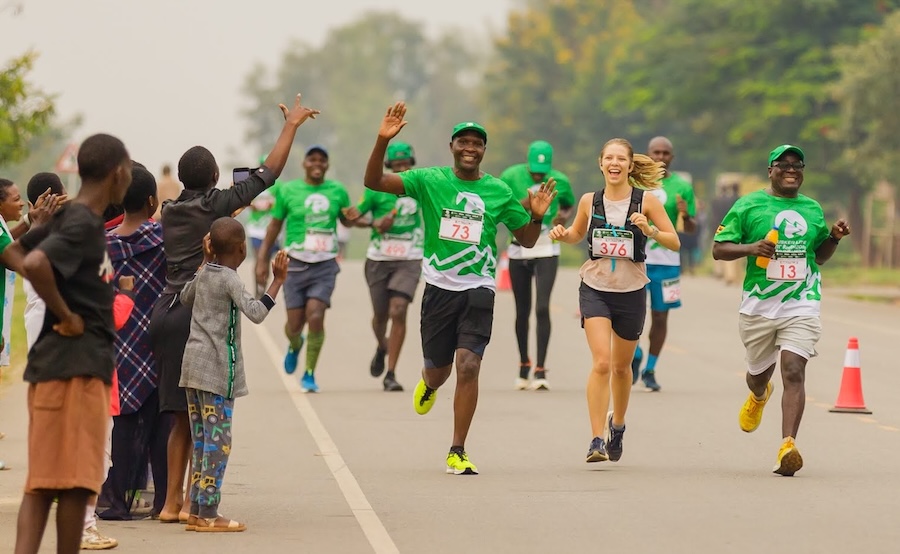
The recently concluded Mount Rwenzori Marathon, now in its fifth year, presents a compelling example of what is possible in rebuilding Uganda’s tourism sector after the severe disruption caused by the Covid-19 pandemic.
The marathon attracted 8,000 runners from more than 42 countries, representing a 33 per cent increase from the 6,000 runners from 36 countries who participated the previous year.
The 8,000 figure excludes other tourists, service providers, entertainers and people who travelled to Kasese simply to enjoy the event.
This year, the Tusker Lite Mount Rwenzori Marathon was included on the World Athletics Label Road Race calendar, giving the event international recognition within the sport. World Athletics lists the race as a Label Road Race held in Kasese on August 22, 2026.
For a country where tourism is an important source of foreign exchange, there are lessons to be learnt from the marathon about how Uganda can broaden its tourism offering and increase the sector’s contribution to the economy.
Uganda’s 2025 tourism statistics show that international tourist arrivals increased by 19.7 per cent to 1,642,215. Tourism receipts reached a record Shs5.829 trillion, equivalent to about US$1.62 billion, contributing approximately 16 per cent of the country’s total export revenues.
The Fourth National Development Plan, or NDP IV, identifies the development and diversification of tourism products as one of the sector’s priorities.
It sets a target of increasing foreign exchange earnings from US$1 billion in FY2023/24 to US$10 billion by FY2029/30, while increasing tourists’ average length of stay from 7.6 nights to 14 nights.
This is where the story of the Rwenzori Marathon becomes particularly relevant.
The marathon offers a window into how the private sector and government can work together to expand what Destination Uganda can offer beyond traditional wildlife and nature-based tourism.
The private sector can lead in creating tourism products, attracting investment and improving service quality, while government provides the infrastructure, policy and operating environment needed for such products to grow.
Before the marathon was conceived, Kasese was predominantly known for attractions such as Queen Elizabeth National Park, the Rwenzori Mountains and the Equator crossing at Kikorongo, among other geographical and natural features.
The marathon has added another reason for people to travel to the district. It has helped create a weekend tourism gateway that attracts thousands of people to Kasese.
But the real economic significance lies not only in the race itself. It is in what visitors do on their way to Kasese, what they spend while there and what they do on their way back.
For example, a survey of staff from one organisation that travelled to Kasese for this year’s race found that individual expenditure ranged from about Shs400,000 to Shs5 million, depending on the mode of transport and the number of people travelling together.
Using a conservative estimate of Shs500,000 as the average expenditure per runner, the 8,000 runners would have injected at least Shs4 billion into the local economy. This is an indicative estimate, rather than an audited measure of the marathon’s total economic impact.
That money would have been spent on accommodation, fuel, meals, entertainment, shopping and roadside food, among other goods and services.
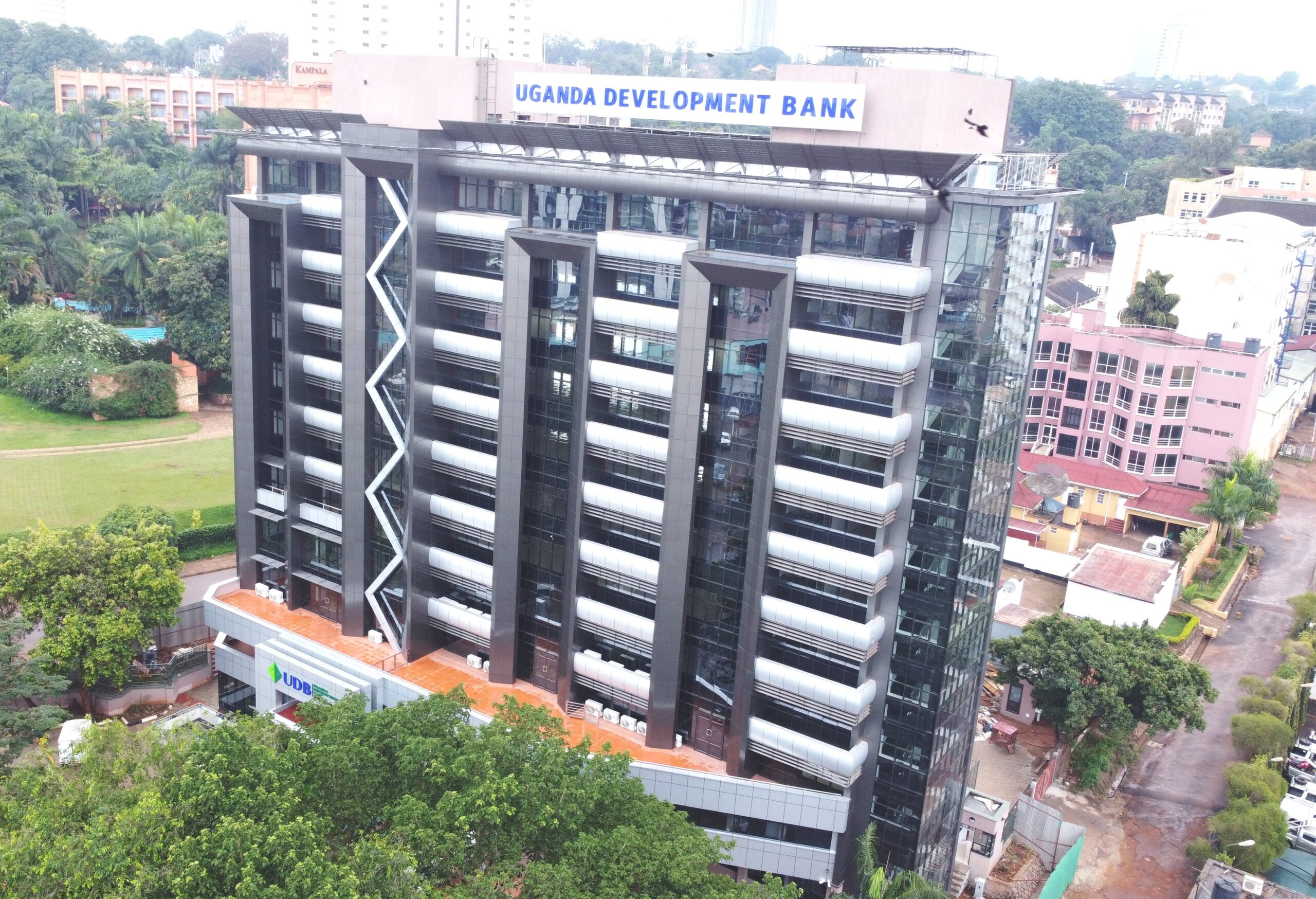
Beyond individual expenditure, institutions such as Uganda Development Bank also provided financial support to the marathon, helping sustain the tourism product.
This illustrates the potential synergies that can emerge when the private sector and development finance institutions support innovative tourism ventures.
For UDB, such support is consistent with its mandate to contribute to Uganda’s economic transformation, including by supporting tourism and other services. As of 2025, services, which include tourism, accounted for 17 per cent of the bank’s portfolio.
The wider global tourism market also points to the growing importance of experiences.
Travellers are increasingly seeking specific experiences rather than simply choosing a destination and deciding what to do after arrival. In this environment, experiences can become a major factor in determining where people choose to travel.
The Mastercard Economics Institute’s 2023 Travel Industry Trends report found that global spending on experiences was 65 per cent above 2019 levels as of March 2023, compared with a 12 per cent increase in spending on goods.
The report also noted that travellers were increasingly seeking unique experiences and cultural immersion, including in lesser-known destinations.
This shift presents an opportunity for Uganda.
A sports tourism product such as the Rwenzori Marathon gives visitors a dynamic way to experience the attractions and communities of western Uganda.
The event also demonstrates how a sporting activity can create demand for accommodation, transport, food, entertainment and other services beyond the immediate event.
Other communities have demonstrated the same potential through organised sporting activities.
The Ntare Lions League, for example, brings together former students of Ntare School through football and has created a community around sporting events.
The question, therefore, is what would happen if each of Uganda’s regions developed an innovative tourism activity based on its own unique attractions and strengths.
Consider Lake Bunyonyi.
An annual festival on one of its islands could combine dragon boat races, island-hopping canoe safaris, water-based activities, campfire meals, sunrise birding and community cultural experiences.
A competitive dragon boat race designed around corporate participation could attract Uganda’s growing middle class while creating business for accommodation providers, restaurants, transport operators and local enterprises.
In Karamoja, a tourism product could take advantage of the region’s mountains, including Mount Napak, Mount Moroto, Mount Morungole and Mount Kadam, by creating a guided multi-day trekking experience linking two or more peaks.
Such a product could include portable camps, local porters, finishing certificates or medals and opportunities for visitors to participate in other activities.
A bookable gravel-cycling route, with stops for farm-to-table meals and curated craft markets, could provide another way to experience the region.
These products would require investment.
Development finance institutions such as UDB can provide affordable and patient capital to support the development of tourism products, thereby increasing their potential to create jobs, grow small and medium enterprises and generate wider economic activity in surrounding communities.
Uganda’s tourism recovery also shows why diversification is necessary.
According to the 2025 tourism statistics, international arrivals reached 1,642,215, surpassing pre-pandemic levels.
However, only 13 per cent of these visitors travelled to Uganda for leisure and holidays, according to the same statistical reporting.
This means Uganda still has considerable room to expand leisure tourism by creating products that give both international and domestic travellers more reasons to visit different parts of the country.
The challenge is therefore not simply to market Uganda better. It is also to create more things for people to come and experience.
The Rwenzori Marathon provides one example of how this can be done. It has transformed a sporting event into a tourism product, bringing together athletes, tourists, businesses, communities, sponsors and public institutions.
Uganda is endowed with mountains, lakes, rivers, forests, wildlife, culture, food, music and diverse communities. The opportunity is to turn these assets into bookable, repeatable and commercially viable experiences.
If every region developed even one strong tourism experience around its existing assets, the cumulative effect could be significant.
The lesson from Kasese is therefore simple: Uganda does not necessarily need to wait for new attractions to emerge. It can create new reasons for people to travel to the attractions it already has.
The private sector can lead this product creation, while government and development finance institutions can provide the infrastructure, financing, standards and enabling environment required for these products to grow.
That is how sports, culture, adventure and other experiences can become more than entertainment. They can become engines of local economic activity and help Uganda build a broader and more resilient tourism economy.
The writer is Senior Investment Manager, Services, at Uganda Development Bank.