The National Drug Authority (NDA), in partnership with the Uganda Registration Services Bureau (URSB), has launched a training campaign for local herbal medicine manufacturers as part of efforts to strengthen regulation and improve compliance with legal and registration requirements.
The training targets herbalists and manufacturers whose products have been notified to the NDA. It is intended to help practitioners understand the requirements governing the production, registration and marketing of herbal medicines, while also encouraging more research and development in the sector.
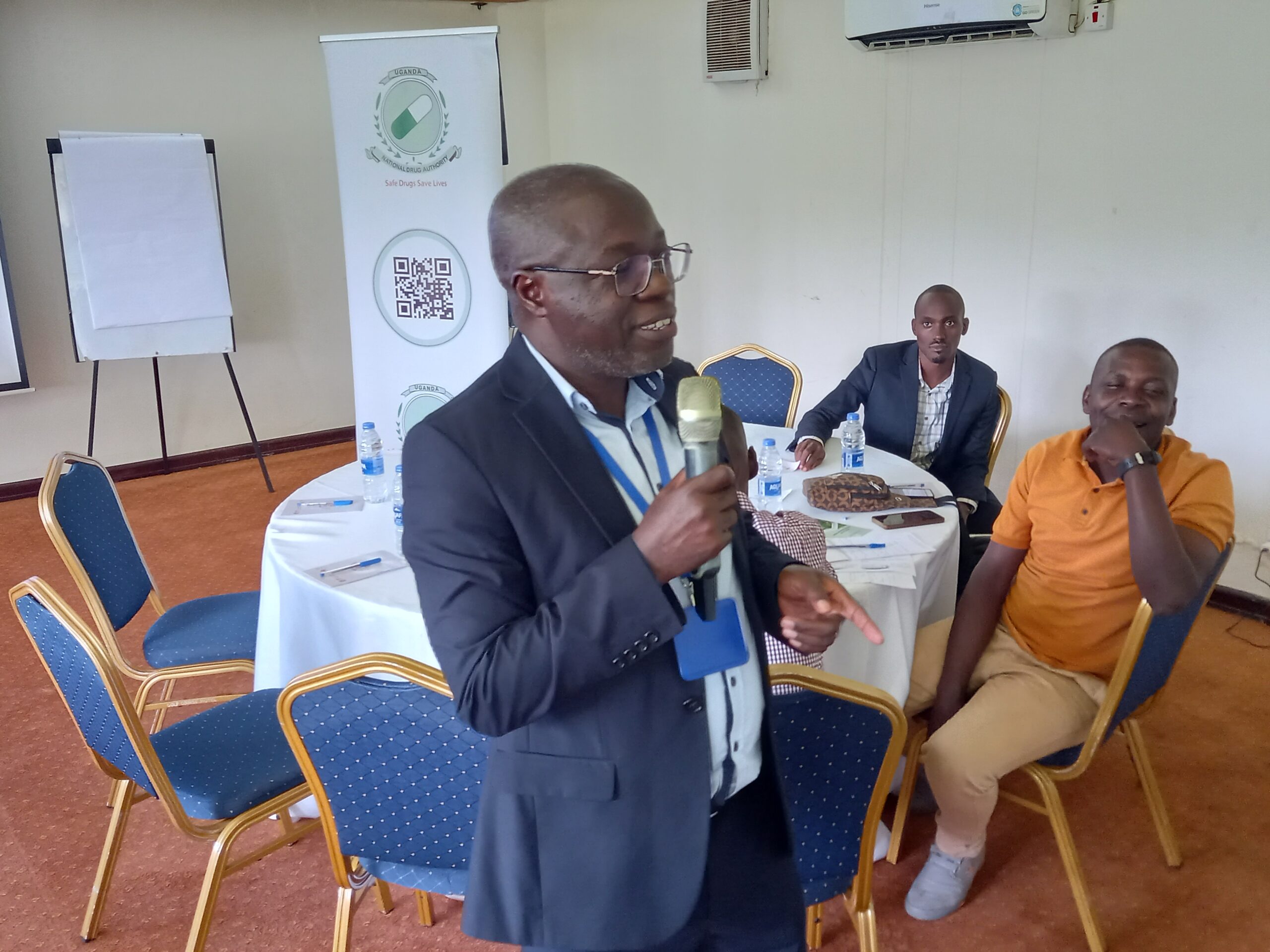
Enock Ntulume, an inspector of drugs at the NDA, said the programme is aimed at improving the quality and regulation of herbal medicines in Uganda through training and increased awareness of the applicable requirements.
Ntulume said the training also seeks to encourage local manufacturers to invest in research and development so that herbal medicines can be developed and produced in a more organised and regulated manner.
He said the programme is being implemented within the framework of the Traditional and Complementary Medicine Act, 2019, which provides for the regulation of traditional and complementary medicine practitioners in Uganda.
The Act received presidential assent on 14 September 2020.
Hajji Jamir Lutakome Mukwaya, president of the Uganda Herbalists Association, welcomed the law, saying a clear regulatory framework would help organise the sector and distinguish properly recognised practitioners from those who do not meet the required standards.
He said the herbal medicine sector was ready to work with the authorities to ensure that the law is effectively implemented.
“The 2019 Act, to be functional, mandates the Minister of Health to appoint the National Council for Traditional and Complementary Medicine Practitioners. On our side, we have already sent to him the names of our representatives,” Lutakome said.
The proposed National Council has an important role under the law in regulating traditional and complementary medicine practitioners. Its functions include registration, licensing and monitoring of practitioners, as well as overseeing compliance with the law.
During the training, Twinomujuni Kafunjo from URSB sensitised herbal medicine manufacturers about intellectual property rights, including the importance of registering trademarks for their products.
Participants were advised to consider protecting their product names, brands and other intellectual property before taking their products to the wider market.
Trademark registration can help manufacturers establish legal ownership of their brands and reduce disputes over the use of similar names or marks by other businesses.
The authorities say continued training and awareness will help local herbal medicine manufacturers better understand their obligations and contribute to the development of a more organised traditional and complementary medicine sector in Uganda.