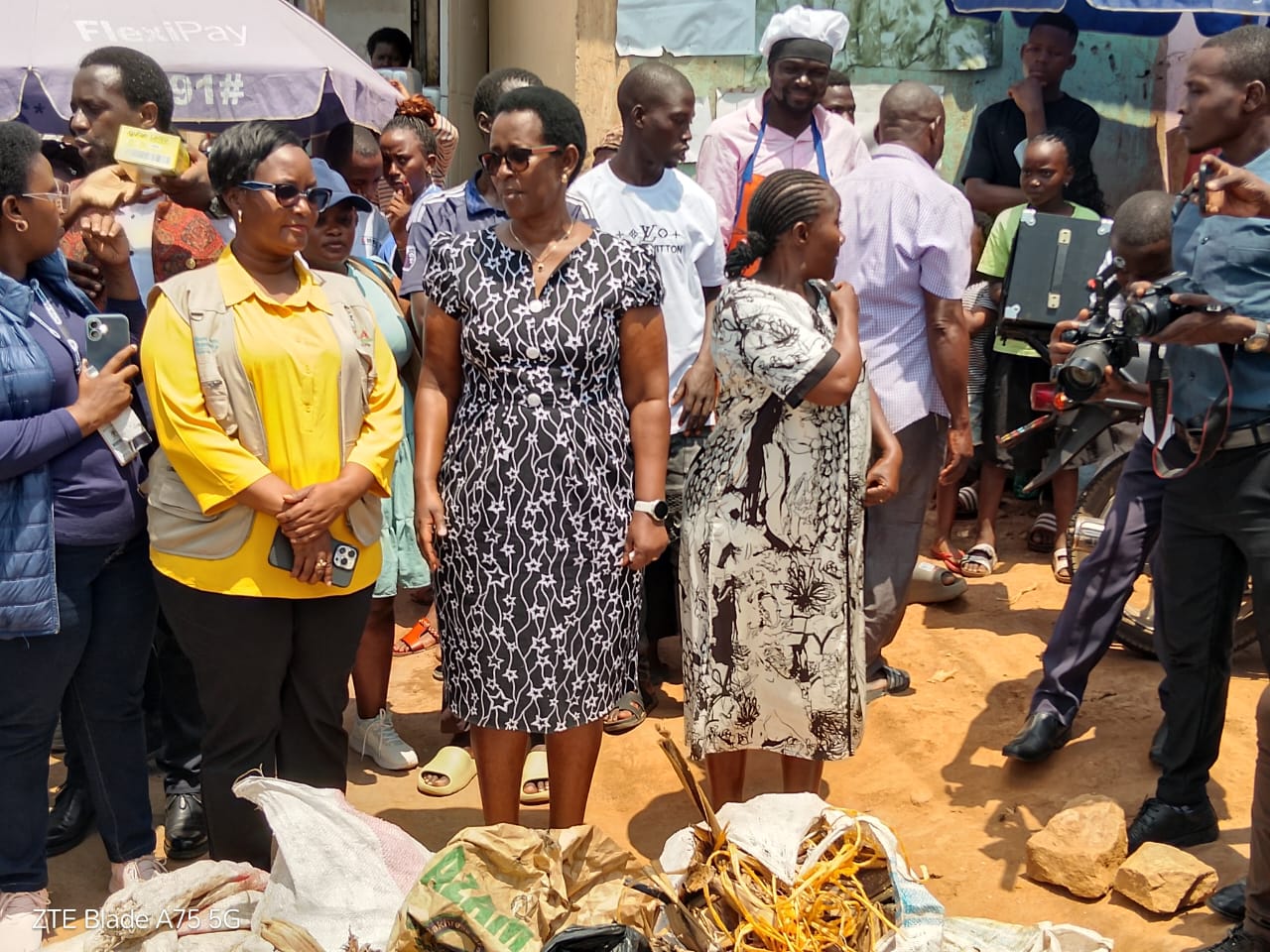
The Ministry of Health has launched a community sensitisation exercise on garbage and waste sorting as part of efforts to improve hygiene, promote recycling and strengthen waste management.
The exercise, launched at Kisaasi-Kulambiro in Kampala, is part of the national cleaning exercise scheduled for the end of every month.
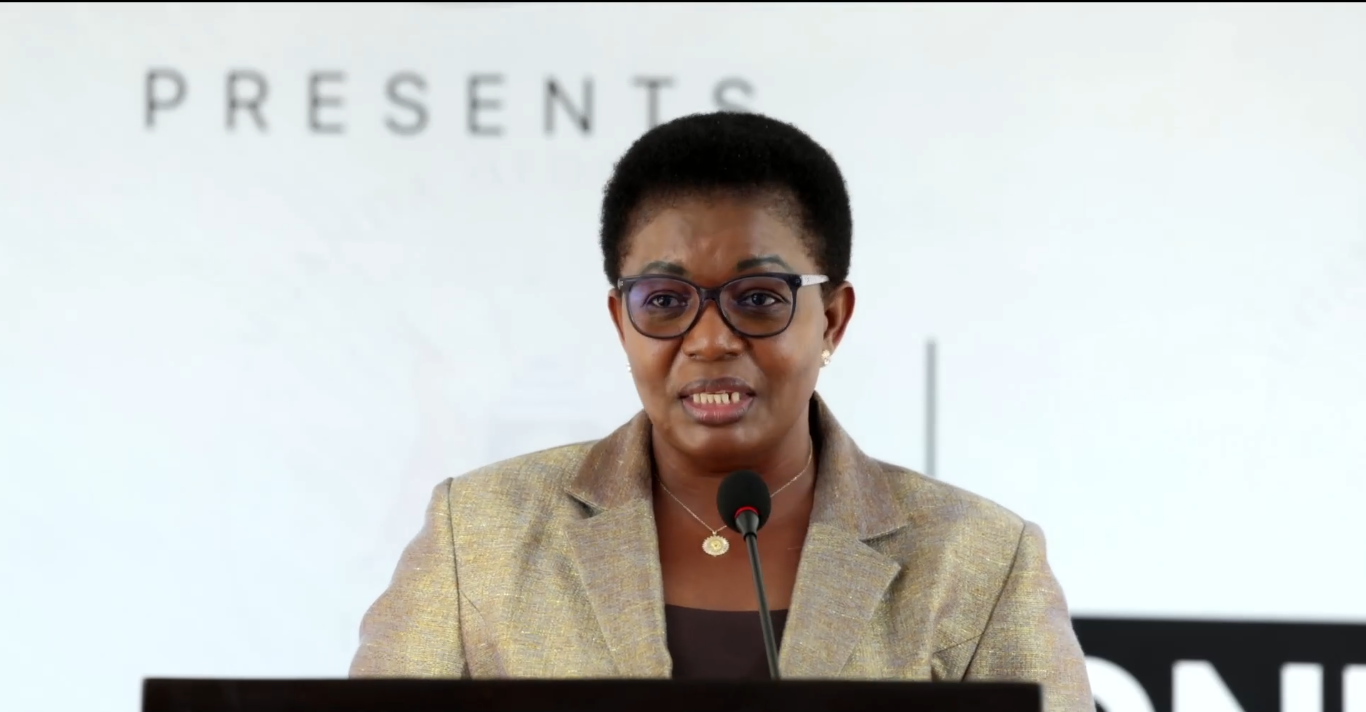
Speaking at the launch, Dr Diana Atwine, the Permanent Secretary at the Ministry of Health, said the sensitisation campaign aims to encourage communities to sort waste before it is collected by Kampala Capital City Authority (KCCA).
She said sorting waste helps separate biodegradable materials from non-biodegradable waste, such as plastics and glass, making it easier to reuse or recycle them.
“It is important because we have two types of garbage and waste: those that rot and those that do not, such as glass. Once this waste is sorted, it becomes useful. Some can be used to make manure, while other materials, such as plastics, can be sold,” Atwine said.
She urged communities to see waste as a potential source of income rather than simply something to be discarded.
Atwine also warned residents against dumping garbage in trenches and drainage channels, saying this can obstruct the flow of water and contribute to flooding.
“Dumping garbage into trenches is not good because it affects water flow, which can eventually lead to flooding. Please, let us embrace these initiatives for the betterment of our health,” she said.
She noted that waste is treated as a valuable resource in many developed countries, where people earn a living through recycling and other forms of waste management.
The initiative has also received support from KCCA and Rotary clubs.
Eddie Rush Ntumwa, president of the Rotary Club of Kulambiro, commended the Ministry of Health for the initiative and pledged to mobilise communities to clean their surroundings every week.
“If we continue sensitising people, the more they will understand their responsibilities and the importance of keeping their communities clean,” he said.
Dr Sarah Zalwango, the KCCA director for Public Health, also stressed the importance of sorting waste at household and community level.
She said sorting reduces the volume of waste that needs to be collected and can make waste collection easier, particularly in areas that are difficult for KCCA trucks to access.
“We know that some villages have difficulties with garbage collection because of their locations. If you sort your garbage in time, this simplifies the work,” she said.
The health officials urged residents to make waste sorting part of their daily routines and to use the monthly national cleaning exercise as an opportunity to improve sanitation in their communities.