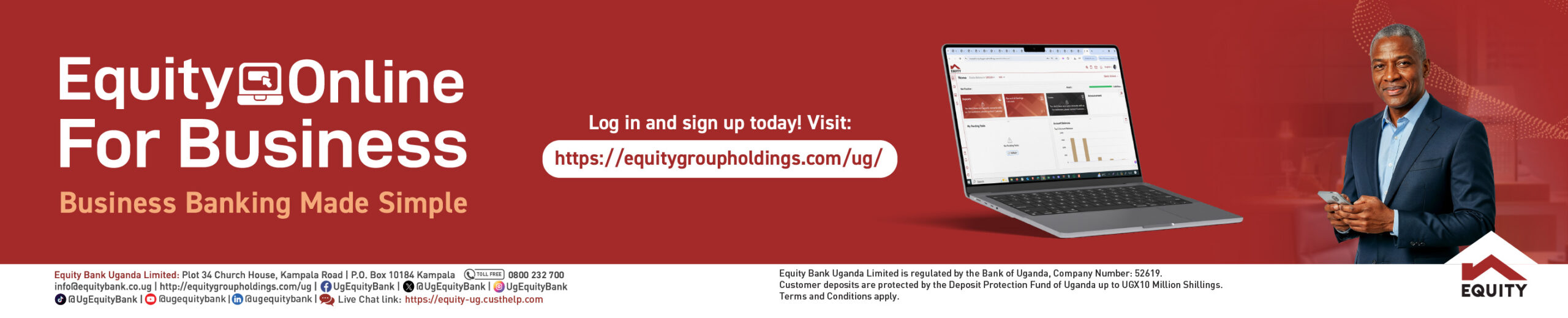
Equity Bank Uganda launched Equity Online for Business in April 2026, introducing a next-generation digital banking platform designed to simplify financial management for businesses of all sizes.
The platform replaced the bank’s long-serving EazzyBiz internet banking system and was developed in response to changing customer needs and the rapid growth of digital banking.
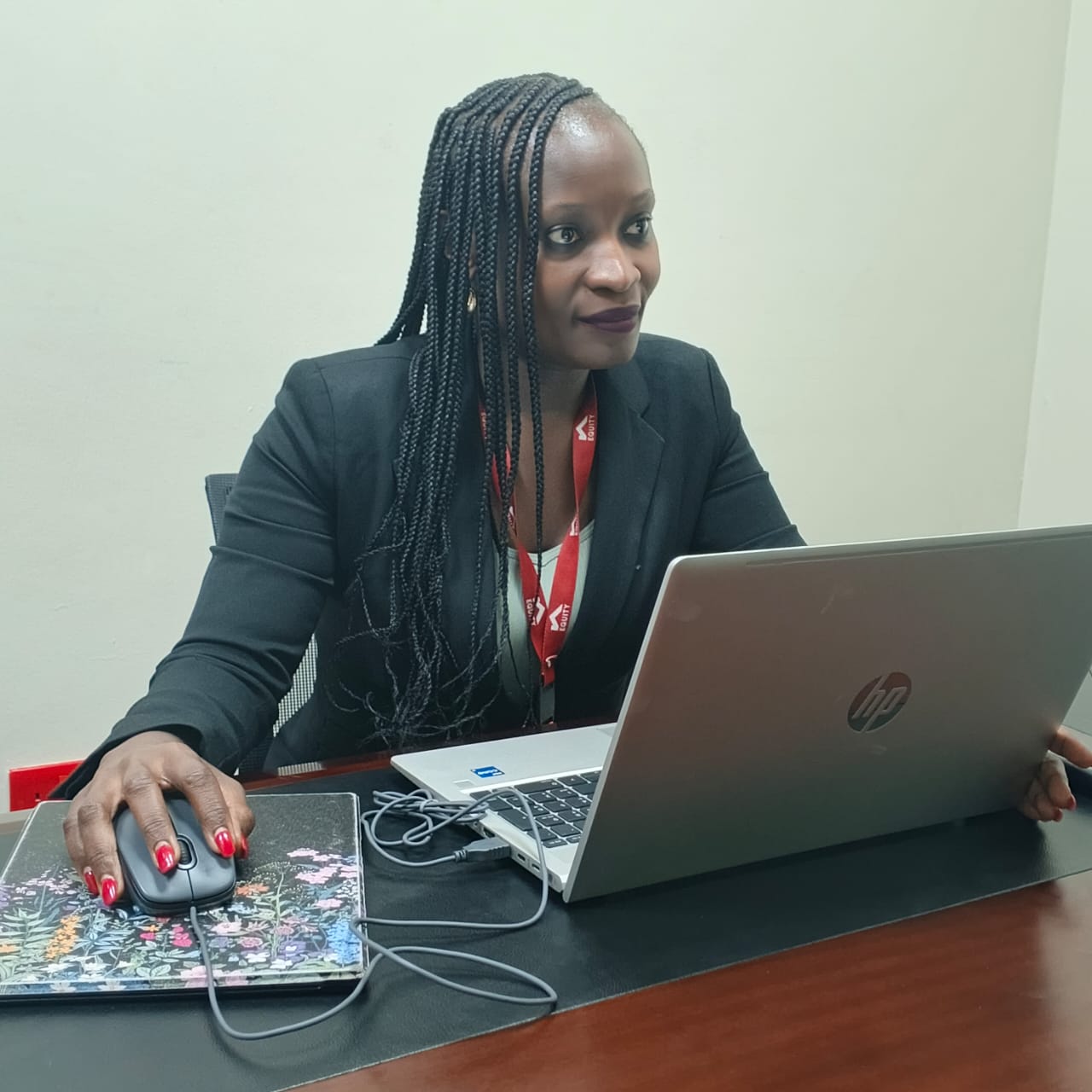
In this interview, Immaculate Asiimwe, Head of Payments and Channels at Equity Bank Uganda, explains why the bank developed the platform, how it is transforming business banking and what customers can expect in the future.
**********************************************
What is Equity Online for Business, and why did Equity Bank introduce it?
Equity Online for Business is our new internet banking platform designed specifically for businesses. It replaces our previous platform, EazzyBiz, which served customers for many years. The digital banking environment has changed significantly over the years. Our customers consistently told us that the old platform no longer met their growing business needs. Rather than upgrading it, we built a completely new solution based on customer feedback and future business requirements. The platform is designed for small and medium enterprises, large businesses and corporate organisations, helping them manage their finances more efficiently.
What are the platform’s key features?
One of the platform’s most popular features is payroll processing. Businesses can pay salaries directly into employees’ bank accounts or mobile money wallets from a single platform. This is particularly useful for SMEs that employ casual workers who may not have bank accounts.
The platform also supports real-time local and international transfers, statutory payments such as Uganda Revenue Authority (URA) and National Social Security Fund (NSSF) contributions, supplier payments, real-time account statements and multi-currency accounts. For larger organisations, the platform offers Host-to-Host integration, allowing businesses to connect directly to their accounting or Enterprise Resource Planning (ERP) systems for automatic reconciliation.
How has the platform improved business banking?
Previously, many businesses processed payroll manually, printed cheque instructions and visited banking halls every month to complete transactions. Today, businesses can upload payroll files electronically, approve payments online and complete transactions within minutes. The platform has significantly reduced paperwork, branch visits and processing time, allowing businesses to focus more on growth than administration.
Does a business need an Equity Bank account to use the platform?
Yes. Businesses must have an operating account with Equity Bank because it serves as the source of funds for all transactions. However, payments are not limited to Equity Bank customers. Businesses can transfer money to accounts held at other banks as well as directly to mobile money wallets.
Is the platform accessible on mobile devices?
Yes. Customers can access Equity Online for Business through both a web portal and a mobile application. Many business owners wanted the flexibility to approve payments while travelling or working away from the office. The mobile app enables them to securely authorise transactions from wherever they are.
How did the bank migrate customers from the previous platform?
We adopted a phased migration approach. We first migrated active users of the old platform and provided them with practical training before they started using the new system. We then reached out to customers who had stopped using the previous platform because of its limitations and introduced them to the new features. This approach ensured a smooth transition with minimal disruption to customers’ operations.
What level of customer adoption has the platform achieved?
About 70 per cent of our corporate customers are actively using the platform, while approximately 35 per cent of our SME customers have already signed up. Our SME banking teams across the country continue to onboard more businesses, and we expect adoption to increase significantly as more customers experience the platform’s benefits.
What impact has the platform had so far?
Compared with the previous platform, transaction volumes and transaction values have increased by about 60 per cent. Customer adoption has also grown by approximately 40 per cent. These figures show that businesses are willing to embrace digital banking when solutions are built around their real business needs.
Which features have customers appreciated most?
Customers have responded positively to the dashboard because it provides a complete overview of business accounts, balances and recent transactions from a single screen. They have also praised the real-time account statements, payroll processing, international transfers, multi-currency capability and Host-to-Host integration. Most importantly, these are features that customers specifically requested during the platform’s development.
How does the platform serve both SMEs and large corporates?
We deliberately developed one comprehensive platform rather than separate products for different customer segments. SMEs typically need payroll processing, account monitoring and day-to-day transaction management, while larger corporates require advanced features such as ERP integration and multi-user approval controls. The platform allows us to activate the services each customer needs while supporting their growth as their businesses expand.
Cybersecurity is a growing concern for businesses. How have you addressed it?
Security was built into the platform from the outset. It features multiple layers of authentication, one-time passwords, security tokens, and role based approval controls. This ensures that no single individual can initiate and approve sensitive transactions alone. Our Information Security teams continuously monitor the platform and regularly strengthen security measures to respond to emerging cyber threats.
How important are international and multi-currency transactions to your customers?
They are becoming increasingly important because many of our customers trade across East Africa and international markets. The platform supports real-time local, regional and international transfers while providing access to live foreign exchange rates and multi-currency account management. This enables businesses to complete cross-border transactions faster and manage international trade more efficiently.
What innovations can customers expect next?
We are already developing the next phase of the platform. It will introduce digital trade finance services, loan applications and additional corporate banking capabilities. We also plan to integrate machine learning to provide a more personalised customer experience. The system will be able to identify recurring transactions, remind customers about scheduled payments and simplify routine financial management.
How can businesses get started?
Businesses simply need to open or operate an Equity Bank account. They can visit any Equity Bank branch, contact the Customer Contact Centre or speak to their relationship manager. After completing the required onboarding forms, the bank configures user profiles, activates the requested services and provides practical training to ensure customers can confidently use the platform from the first day.