A family dispute over a multi-storied building in Kampala has ended in defeat for Justine Namulindwa, one of the four widows of the late Emmanuel Baguma, who had claimed that Baguma had gifted her the building.
Baguma, a wealthy businessman, died on April 19, 2016, without a will. He had four wives, including Namulindwa.
Among the properties he left was a multi-storeyed building in Ssuna Zone, Kabowa, Lubaga Division, which had previously housed Kabalega Primary School.
Namulindwa went to court claiming that before his death, Baguma had given her and her children the building and the land it sits on as a gift.
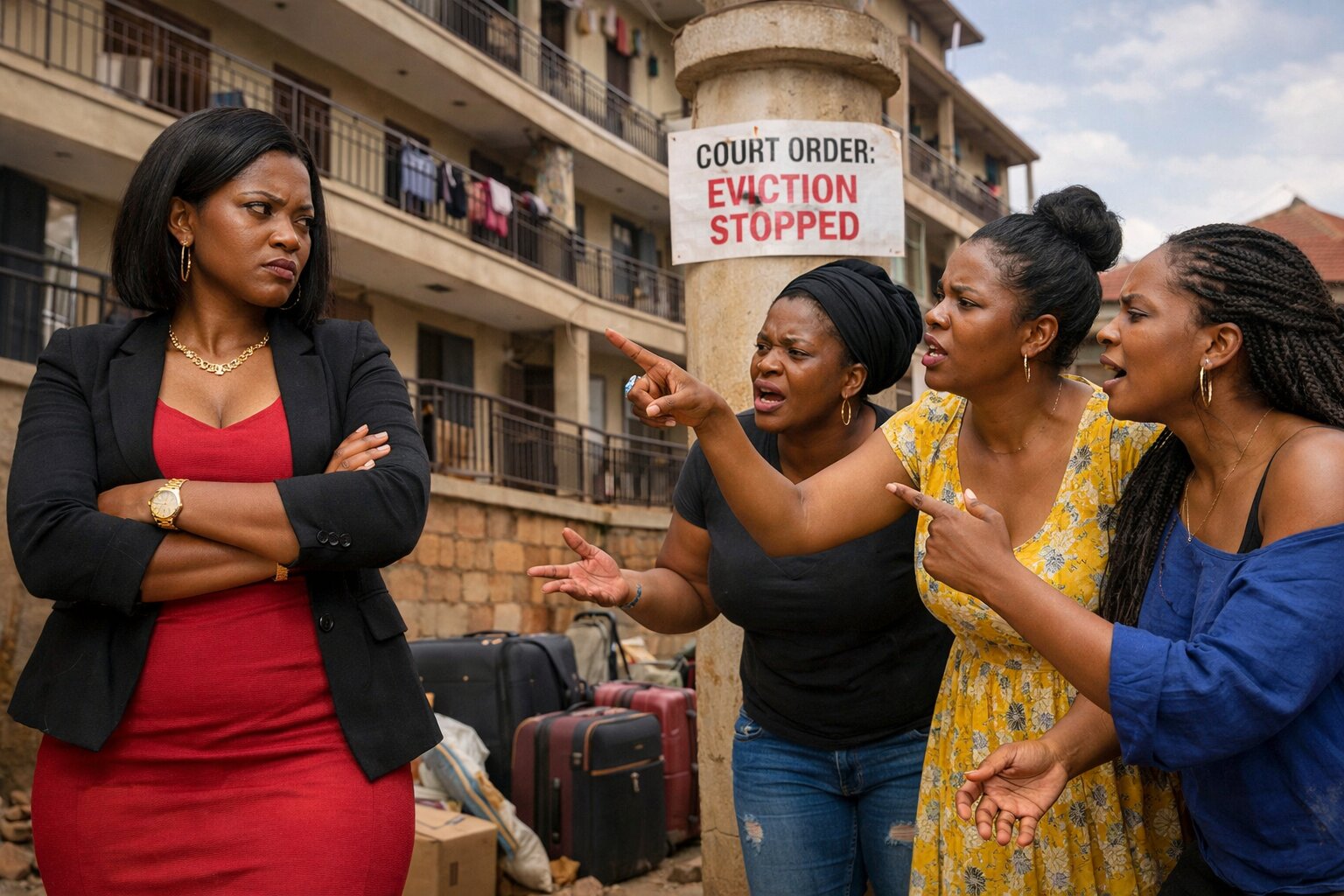
The problem was that Namulindwa’s co-wives, Christine Asiimwe, Regina Namuddu, and Grace Namuddu, had occupied part of the building.
She asked the court to declare that the property did not form part of Baguma’s estate and to order Asiimwe and Namuddu out of it.
She also accused them of fraudulently trying to sell the property and sought damages, a permanent injunction, and costs.
According to court records, the conflict intensified in 2019 when the Resident City Commissioner (RCC) for Kampala, Faridah Mayanja Mpiima, called a meeting to mediate the dispute among the widows.
At that meeting, her threw co-wives agreed to sell the property and share the proceeds, but Namulindwa objected, claiming the building had been gifted to her by Baguma because she had not abandoned him in his dying days.
She also told Mpiima that before his death, Baguma told her was “sweet”, whatever that meant.
She told the court that she had been living in the building with her children and had been paying ground rent to the Buganda Land Board. She accused Asiimwe and the two Namuddus of renting out parts of the building without her consent and attempting to sell it behind her back.
She also presented a handwritten document dated April 11, 2010, which she said was proof that Baguma had gifted her the property during his lifetime.
The document stated: “I, Baguma Emmanuel, have decided to give my wife, Namulindwa Justine, and our children a multi-storied building together with the land. Their responsibility over this property shall commence after my death.”
To support her case, Namulindwa called five witnesses, including a police document examiner who testified that the signature on the document belonged to Baguma.
Her lawyer, Solomon Ssebbowa, argued that the gift was valid and legally binding. He told the court that the deceased had clearly intended to give the property to Namulindwa and her children, and that they had accepted and taken possession of it.
He further argued that the property had ceased to be part of the estate.
Ssebbowa also accused Assimwe and the two Namuddus of fraud, arguing that they had knowingly tried to sell property that did not belong to the estate.
However, tco-wives did not actively participate in the hearing. Although they had earlier filed a defence through Kiwanuka and Mpiima Advocates, they failed to appear in court, prompting the judge to allow the case to proceed in their absence.
In their written defence, the co-wives had argued that the property was matrimonial and had been used as a family business to support all wives and children. They denied that it had been gifted exclusively to Namulindwa.
They also challenged the authenticity of the gift document, describing it as forged and legally defective.
They told the court that the property should be shared equally among all beneficiaries of the estate.
Car dealer ordered to pay buyer Shs 30 million for attempting to sell same truck twice
At the heart of the case was a key legal question: Did Baguma validly give the property to Namulindwa during his lifetime?
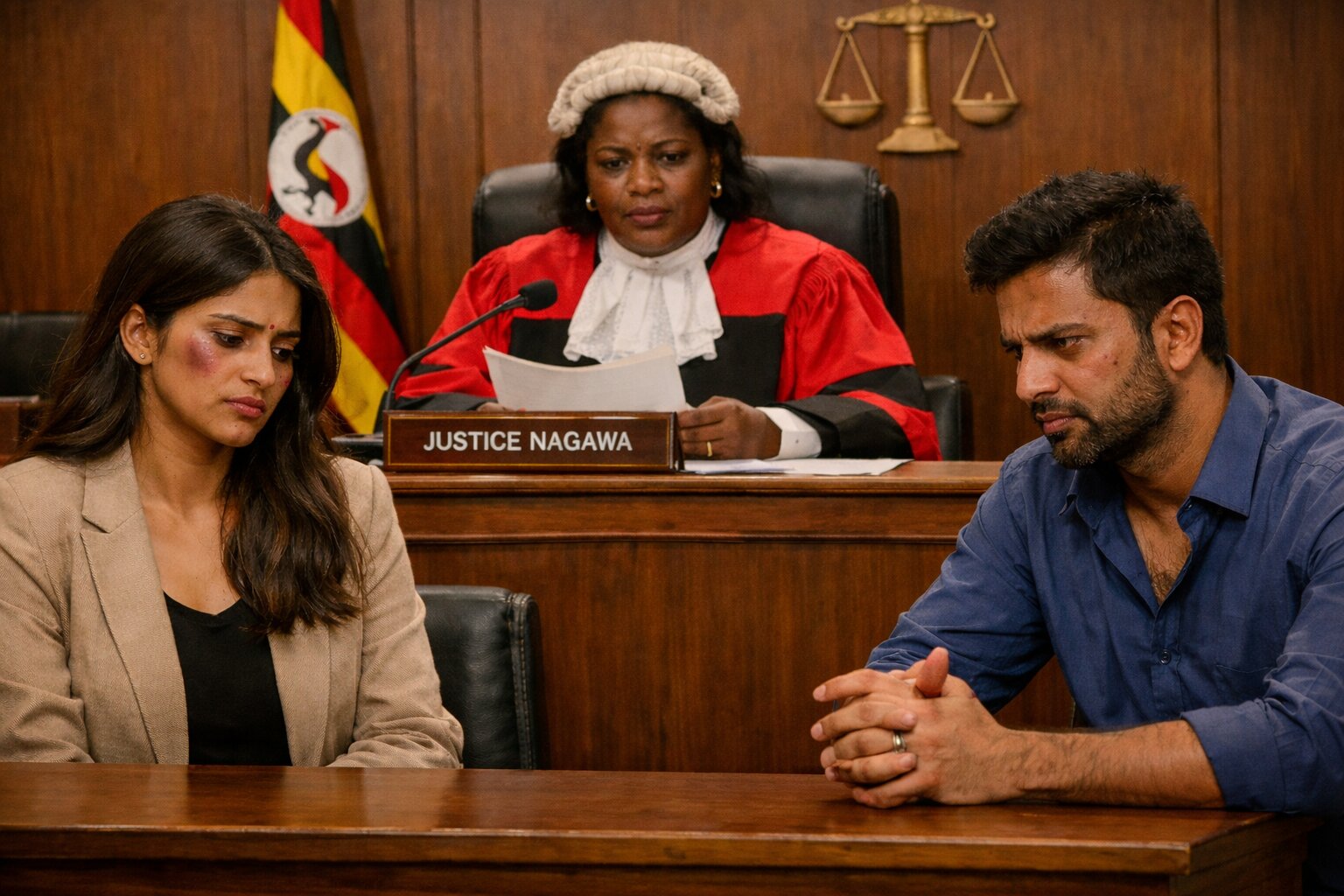
Justice Flavia Nabakooza, who heard the case, explained that for a gift made during a person’s lifetime to be valid, three conditions must be met.
First, the donor must intend to give the property; second, the donor must deliver it, and lastly, the recipient must accept it.
While Justice Nabakooza accepted that Baguma had written and signed the document, she found that the gift did not take effect during his lifetime.
“Their responsibility over this property shall commence after my death,” she quoted from the document, adding that this wording showed that the gift was intended to take effect only after Baguma’s death.
She said this means that Baguma did not deliver the suit property to Namulindwa and her children as required by the law.
Justice Nabakooza said that any arrangement meant to take effect after death falls under succession law, not a lifetime gift.
She said Namulindwa and her children did not have exclusive possession of the property, noting that other widows and their children were living on the same land.
As a result, she concluded that there was no valid gift.
On the allegation of fraud, Justice Nabakooza held that since the property was part of the estate, the co-wives could not be accused of fraud for attempting to deal with it as such.
“I find no fraud nor illegality against the defendants,” she said.
In the end, the court dismissed the entire case, saying Namulindwa had failed to prove that the gift was valid.
Justice Nabalooza did not award any money to Namulindwa.