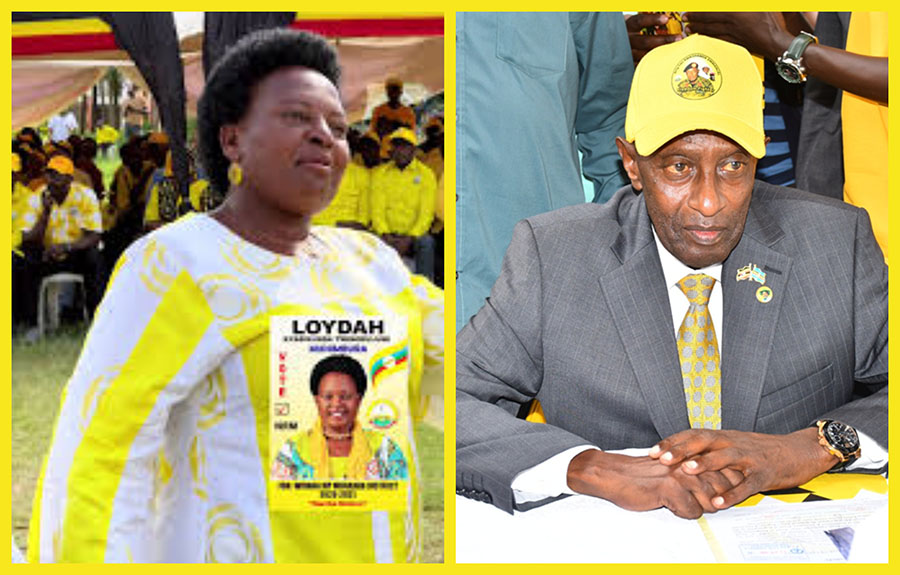
In a span of two months, two NRM candidates, Loydah Twinomujuni and Brigadier Emmanuel Rwashande, have survived court challenges to their academic qualifications after judges dismissed the cases based on legal timelines, without examining the substance of the complaints.
Last month, the High Court dismissed a petition filed by Hope Maurishia challenging Twinomujuni’s nomination to contest for the Mbarara Woman MP seat in the 2026 elections. Justice Bonny Isaac Teko ruled that the case had been filed out of time and that the court therefore had no jurisdiction to hear it.
“The law deliberately imposes short deadlines to ensure speed, finality and stability in the electoral process. Teko said the failure to comply with those timelines is “often a fatal error that results in the dismissal of the case, regardless of the gravity of the allegations”.
Maurishia had questioned Twinomujuni’s academic qualifications and alleged that some of the documents presented during the nomination were forged. She said she even received confirmation from the National Council for Higher Education (NCHE) that one document submitted by Twinomujuni was not authentic.
But the court never examined those claims. Instead, Justice Teko found that the petition had been lodged about 18 days after the Electoral Commission decision, outside the mandatory five-day window.
A similar outcome played out in a separate case involving Rwashande, another NRM candidate, this time in Lwemiyaga. His opponent the incumbent Theodore Ssekikubo, challenged Rwashande’s nomination, arguing that it was irregular and that he did not meet the legal requirements, including academic qualifications.
Yesterday, Justice Joyce Kavuma dismissed Ssekikubo’s appeal after finding that it, too, had been filed outside the strict timelines set under electoral law.
“Election matters are by their very nature a unique and special breed of litigation where time is of the essence. The rules and timelines for filing proceedings are couched in mandatory terms. They have to be strictly interpreted and adhered to,” Justice Kavuma said.
Flashback: Mao sues Electoral Commission over voters’ register
As in Twinomujuni’s case, the court did not assess whether the allegations about Rwashande’s qualifications were valid. The case ended purely on procedural grounds, leaving his nomination intact.
These rulings have reignited debate about fairness in Uganda’s highly charged political environment.
Several opposition and independent candidates, including Mathias Walukagga, were knocked out of the race after courts disqualified them over academic qualifications or other defects in their nomination process.
The contrast, critics argue, is troubling. In cases involving NRM candidates, courts have leaned heavily on procedural technicalities, like cases being filed out of time, to dismiss challenges. However, in cases involving opposition figures, like Walukagga, disqualification has often followed full scrutiny of documents, sometimes at the Electoral Commission level.
Judges in both cases insisted the law leaves them little room for manoeuvre. Teko said election timelines “go to the jurisdiction of the court and are not mere technicalities,” while Kavuma warned that allowing late filings would “defeat the intention of the law maker.”
That Twinomujuni and Rwashande’s cases have been dismissed without examining serious allegations raised in the petitions has stoked the perception that the law works differently depending on which political side you fall in Uganda.
For now, Twinomujuni and Rwashande can go and eat their chicken, as they say. But for their opponents and advocates of fairness and justice, that bitter after taste arising from these rulings will linger for a long time.