Diabetes remains largely undiagnosed in Uganda. According to the 2023 Uganda STEPS survey, about half of adults with raised blood sugar were previously unaware that they had the condition.
Dr Kauthrah Ntabadde, an epidemiologist whose research focuses on population cardiometabolic health in African populations, says an estimated 86.7% of adults in Uganda have never had their blood glucose measured. As a result, many people only learn they have diabetes after complications have already developed.
The burden of the disease is not limited to overweight individuals. An increasing number of lean and non-obese adults are being diagnosed, challenging the long-held assumption that diabetes mainly affects people with excess weight.
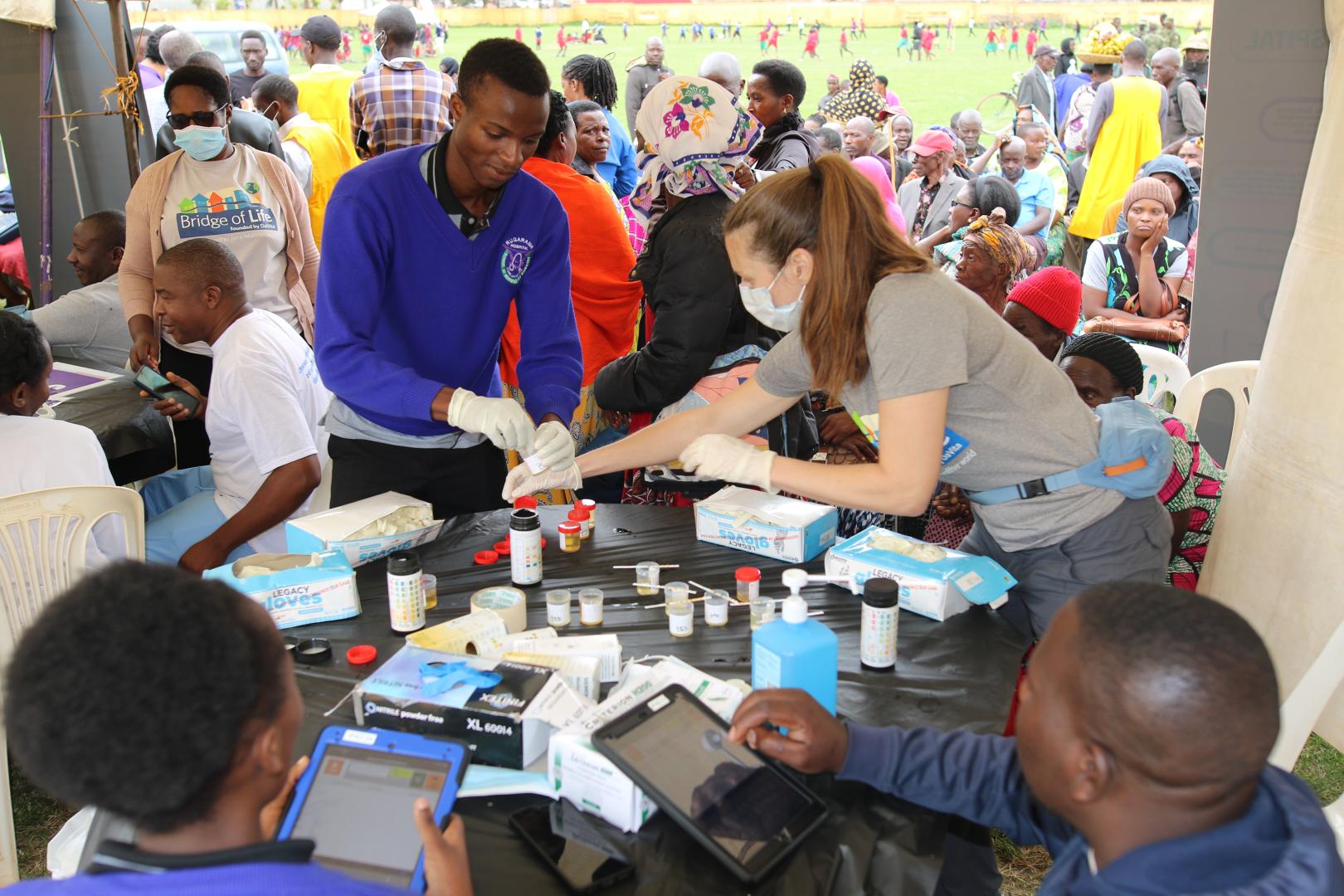
Diabetes often develops silently, with few or no symptoms in its early stages. Many Ugandans feel healthy and therefore do not seek screening. Limited access to health services, low doctor-to-patient ratios, misconceptions that diabetes only affects overweight people, and low awareness of routine testing all contribute to delayed diagnosis.
“Commonly used screening tools such as HbA1c may miss cases in populations with high rates of anaemia, while gold-standard tests like the oral glucose tolerance test are rarely used because of logistical constraints,” Dr Ntabadde said.

Her research also shows that early warning signs, including fatigue, increased thirst, frequent urination and unexplained weight changes, are often ignored or attributed to other causes. Lean or asymptomatic individuals are frequently perceived as low risk and may not be screened.
Even after diagnosis, many patients delay starting treatment. Financial constraints, long distances to health facilities, long waiting times, and the limited availability of medicines and testing supplies all hinder access to care.
Some patients also underestimate the seriousness of diabetes, particularly when symptoms are mild, leading to delayed initiation or interruption of treatment.
The cost of medicines, glucose testing supplies, transport and clinic visits significantly affects long-term diabetes management.
Many patients are unable to afford consistent care, resulting in poor disease control and a higher risk of complications such as kidney failure, stroke, heart disease and vision loss. These expenses also place a heavy financial burden on households.
Although diabetes training programmes exist, coverage remains uneven across the country. Frontline health workers often focus on visibly ill or high-risk patients, increasing the likelihood of missed diagnoses among lean or asymptomatic individuals.
Recent efforts, including the national diabetes management guidelines, aim to strengthen health worker capacity, but gaps remain, particularly in recognising emerging forms of diabetes and managing complications.
Late diagnosis and poor diabetes control frequently lead to serious outcomes, including kidney failure requiring dialysis, stroke, heart disease, vision loss, chronic disability and premature death. Most of these complications are preventable through early detection, timely treatment and consistent follow-up care.