Uganda has formally joined South Sudan, Ethiopia and Djibouti in establishing the Djibouti–South Sudan–Ethiopia–Uganda corridor, known as DESSU, marking a significant step towards strengthening cross-border trade.
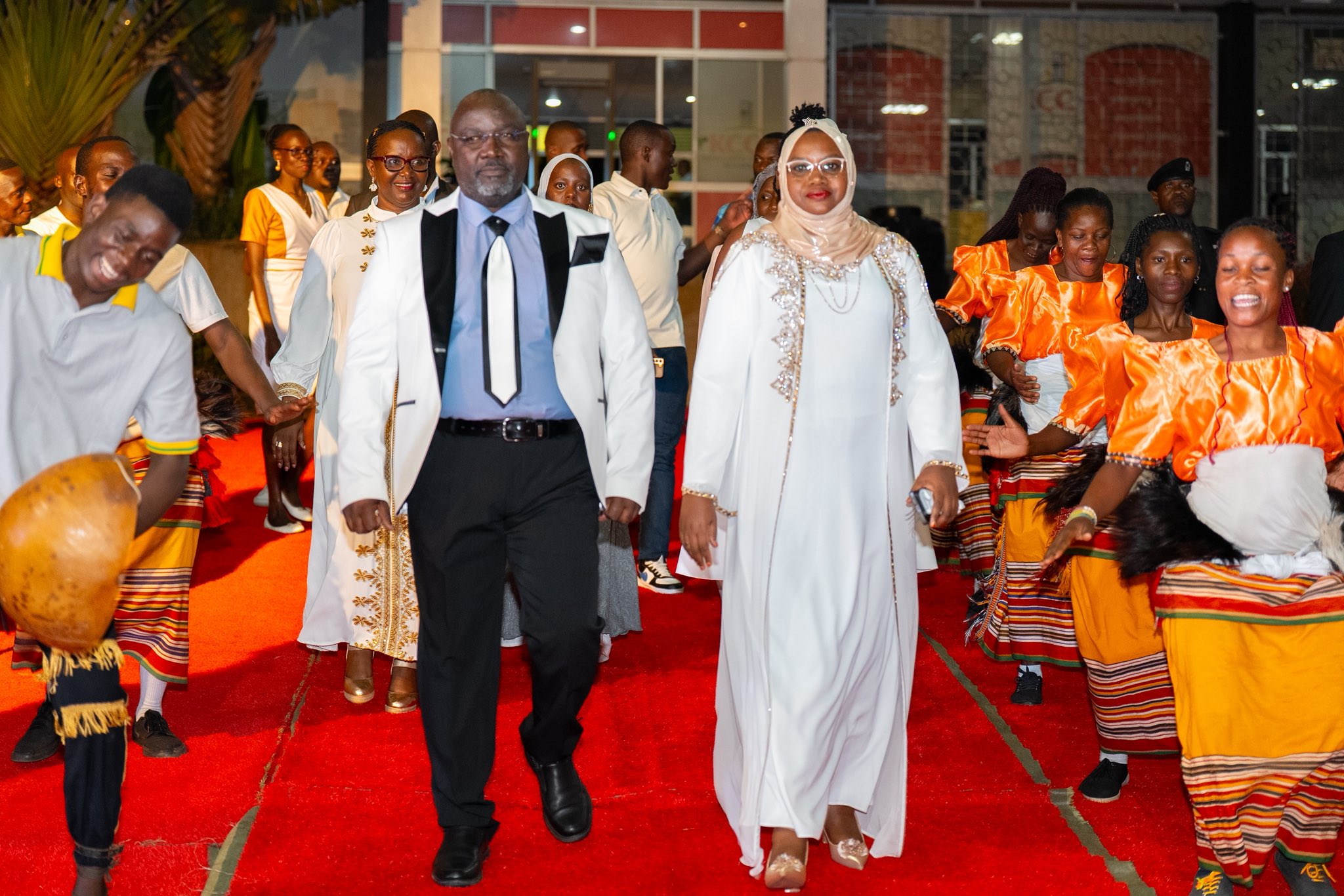
The agreement, signed at the Djibouti Palace Kempinski in Djibouti, formally creates the DESSU Corridor Authority. The body will coordinate infrastructure development, logistics systems, trade facilitation and regulatory harmonisation along the route.
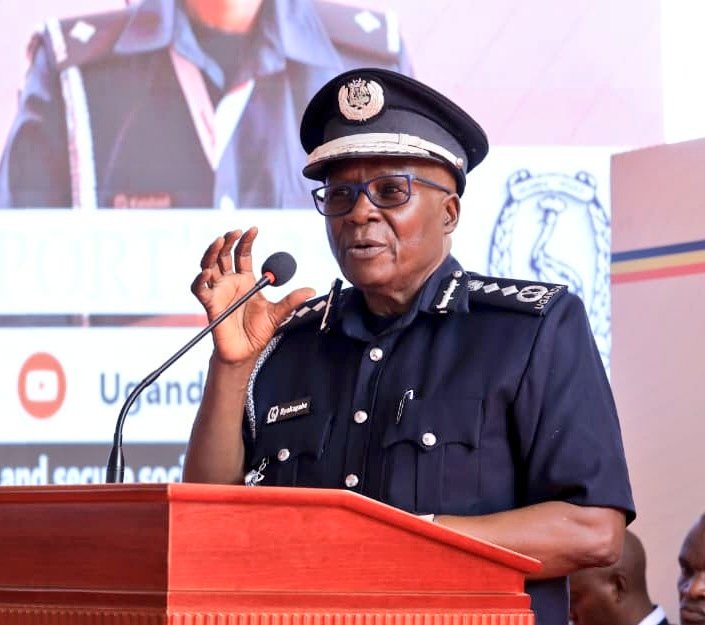
The minister of Works and Transport, Gen Edward Katumba Wamala, said the signing must go beyond symbolism and deliver tangible results for member states.
“Let this signing be more than a formal ceremony. Let it be a commitment to implementation, accountability and continued partnership with efficiency and sustainability. The real work begins now, turning agreements into tangible progress for our people,” he said.
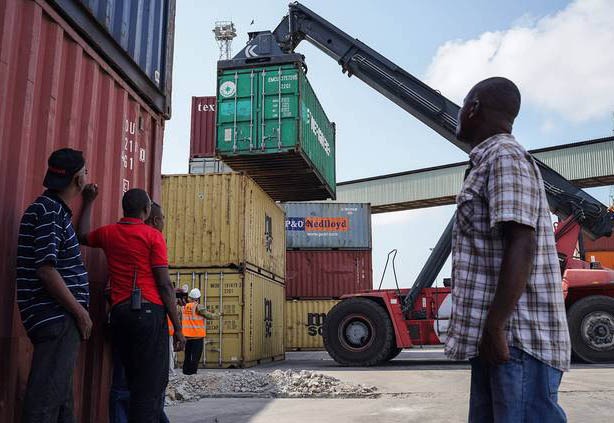
Katumba called for accelerated development of roads and railways, improved air connectivity and the removal of non-tariff barriers to ensure seamless border operations among the participating countries.
He said prioritising efficient border management and eliminating non-tariff barriers would make the corridor meaningful and beneficial to all parties. For Uganda, a landlocked country, the DESSU corridor offers an additional strategic outlet through Djibouti, complementing existing regional corridors and reducing vulnerability to logistical disruptions.
The establishment of the authority builds on a memorandum of understanding signed last year that laid the groundwork for the corridor framework. The new institutional structure is expected to oversee coordinated infrastructure planning and streamline trade processes along the route.
Gen Caleb Akandwanaho aka Salim Saleh the chief coordinator of Operation Wealth Creation previously described the corridor as a major step towards regional integration and economic transformation.
Saleh said the initiative will lay a strong foundation for enhanced regional integration, increased trade flows, investment opportunities, regional security stability and sustainable economic growth across the four participating countries.
Katumba said: “The signing is only the beginning. The real work starts now.”