The Ministry of Education and Sports has urged student leaders across the country to champion patriotism as they pursue their education and leadership journeys.
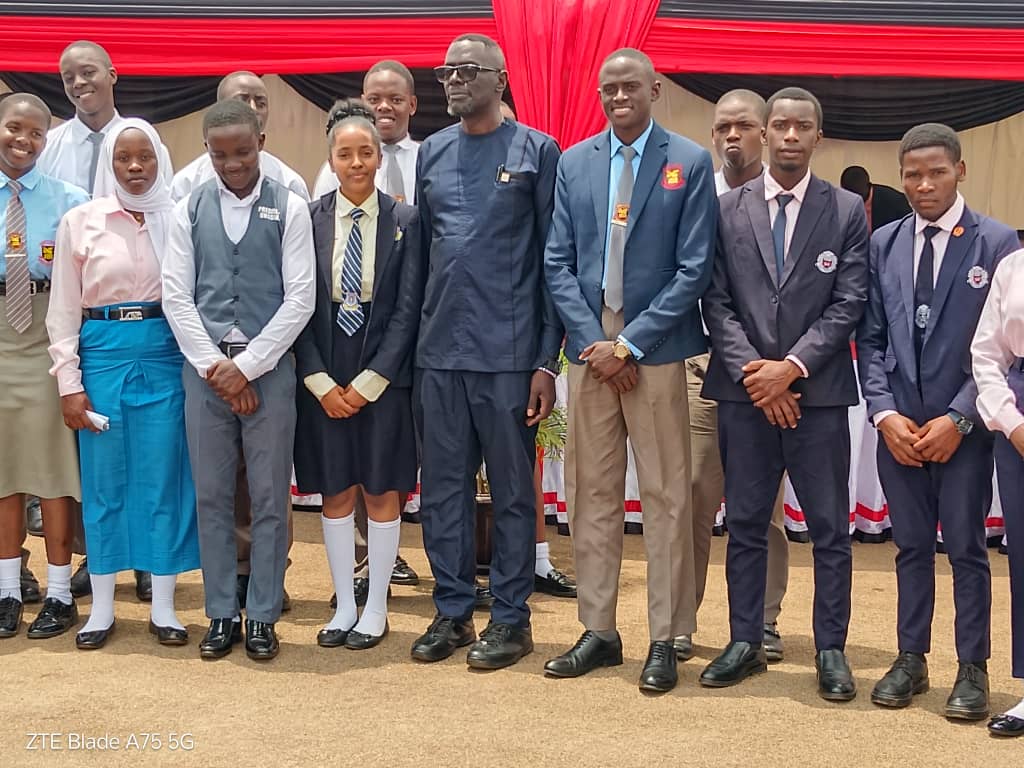
The call was made by the commissioner for Higher Education, Timothy Musoke Ssejoba, while officiating at the inaugural swearing-in ceremony of a national executive committee made up of leaders from the Uganda National Society for Students Clubs and Associations Forum, the Uganda National Secondary Schools Association, and the Uganda Secondary Schools Head Prefects Association.
Ssejoba told the students that leadership begins at the grassroots level, including in schools, and should be guided by strong national values.
“Leadership does not start from high offices or big positions. It begins from the ground, including in our schools,” Ssejoba said.
He urged the newly sworn-in leaders to make patriotism the foundation of their leadership.
“Patriotism should be a pillar that drives leadership. It should be reflected through values such as integrity, discipline, honesty, respect for institutions and respect for other people,” he said.
Ssejoba also used the occasion to encourage candidates ahead of the release of the 2025 A-level results.
He urged students who may not perform well to remain hopeful and consider alternative opportunities instead of giving up on education.
“Please do not give up on education after failing Senior Six. There are many opportunities and chances to excel again. You can always make another plan and continue pursuing your goals,” he said.
David Sansa Victor, the coordinator of the National Society for Students Clubs and Associations Forum, said the establishment of student leadership committees in schools is aimed at equipping learners with leadership skills and preparing them for the future.
“The purpose of these school committees is to equip students with knowledge about leadership and prepare them for future responsibilities,” Sansa said.
He said student leaders also play an important role in helping fellow learners understand national issues.
“Schools must have leaders within them because fellow students are able to listen to them. Through these leaders, students can learn how to interpret key issues in the country such as patriotism and human rights,” he added.
Sansa noted that a total of 44 schools across the country are currently participating in the initiative.
Elijah Lwanga, the newly elected president of the students’ national executive committee and a student at Mengo Senior Secondary School, called on the Ministry of Education to support student leadership structures.
“We need strong leaders in schools so that we can grow into better leaders in the future. Supporting student leadership will help nurture the next generation of national leaders,” Lwanga said.