The Amnesty Commission has urged Ugandans still living in exile over crimes related to insurgency to return home and formally apply for amnesty.
The commission said those seeking pardon should follow the established legal framework under the Amnesty Act to ensure a smooth return and peaceful reintegration into society.
Since 1986, the commission has pardoned more than 28,340 former combatants who fought the NRM government.
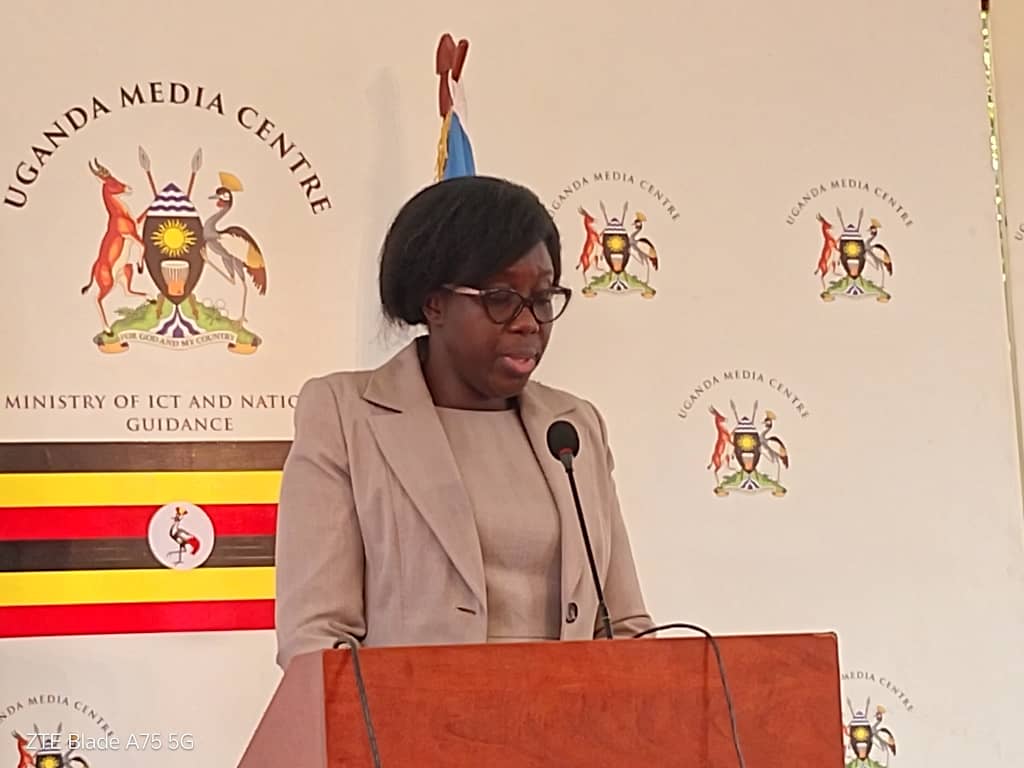
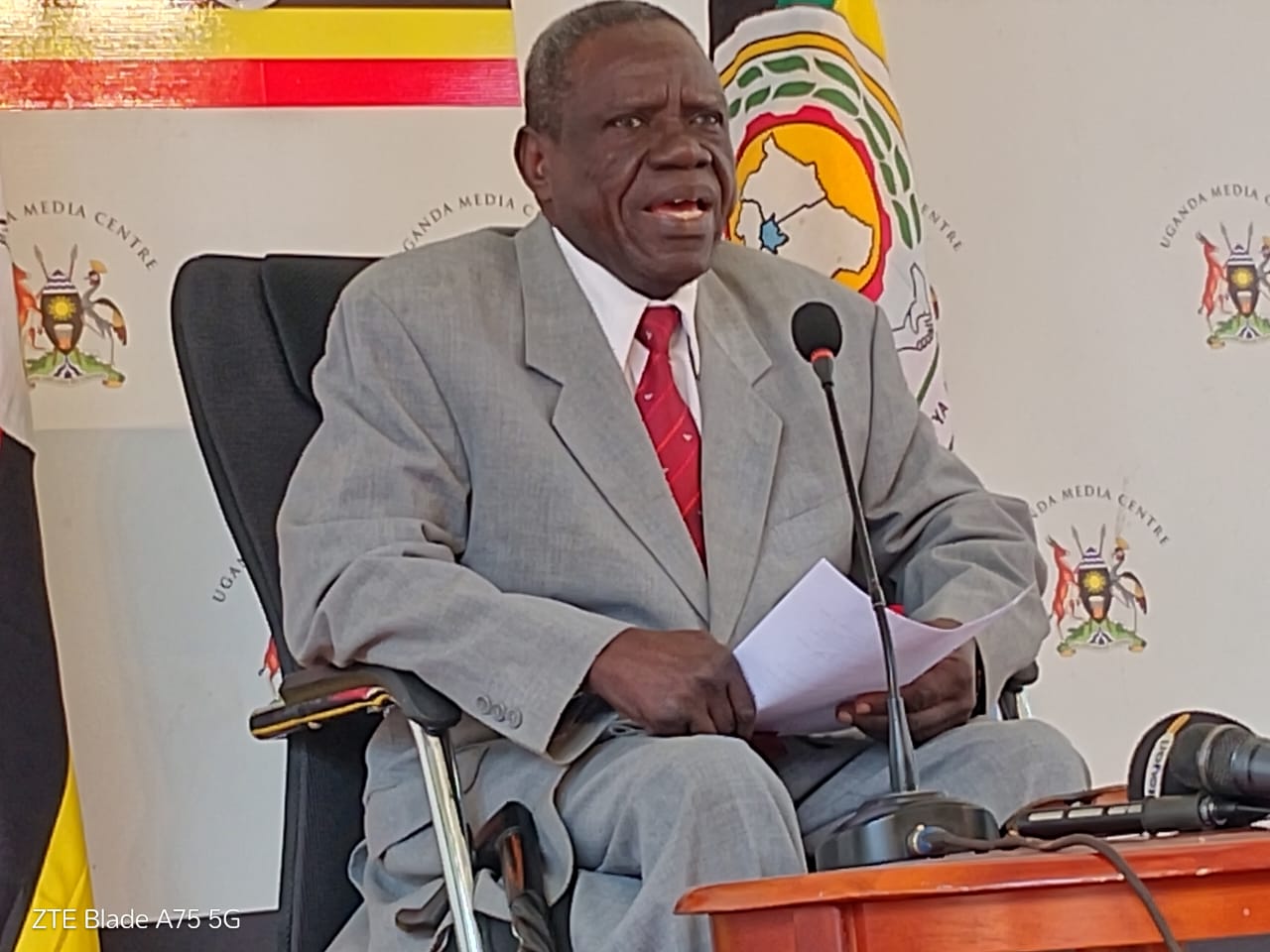
Addressing the media on Tuesday, the chairperson of the commission, Justice Peter K.K. Onega, said the institution remains committed to encouraging former fighters to renounce rebellion and embrace civilian life.
“I am happy and proud to have worked for this commission as chairperson since 2000. The door is still open for anybody who may be interested in being pardoned,” he said.
Onega revealed that the commission at one point attempted to persuade Joseph Kony, the fugitive leader of the LRA, to sign an amnesty declaration. However, he declined to formally commit himself to the process.
According to the commission’s records, the LRA accounts for the largest number of beneficiaries, with 13,605 former combatants granted amnesty. The West Nile Bank Front (WNBF) follows with 6,580, while the Allied Democratic Forces (ADF) account for 2,140.
Justice Onega said the commission goes beyond issuing certificates of amnesty. It also supports former fighters with modest financial packages to help them start new lives.
However, he acknowledged that many returnees face stigma in their communities, where residents are often reluctant to associate with them because of their past involvement in violence.
In addition to financial support, the commission implements resettlement and reintegration programmes, promotes dialogue and reconciliation, and conducts public sensitisation campaigns on the Amnesty Act.
Those seeking amnesty can apply through the UPDF, the police, sub-county chiefs, local council leaders, magistrates’ courts and recognised religious leaders in their areas.
The commission reiterated that its mandate is to promote national healing and reconciliation by offering a lawful pathway for former insurgents to return home and rebuild their lives.